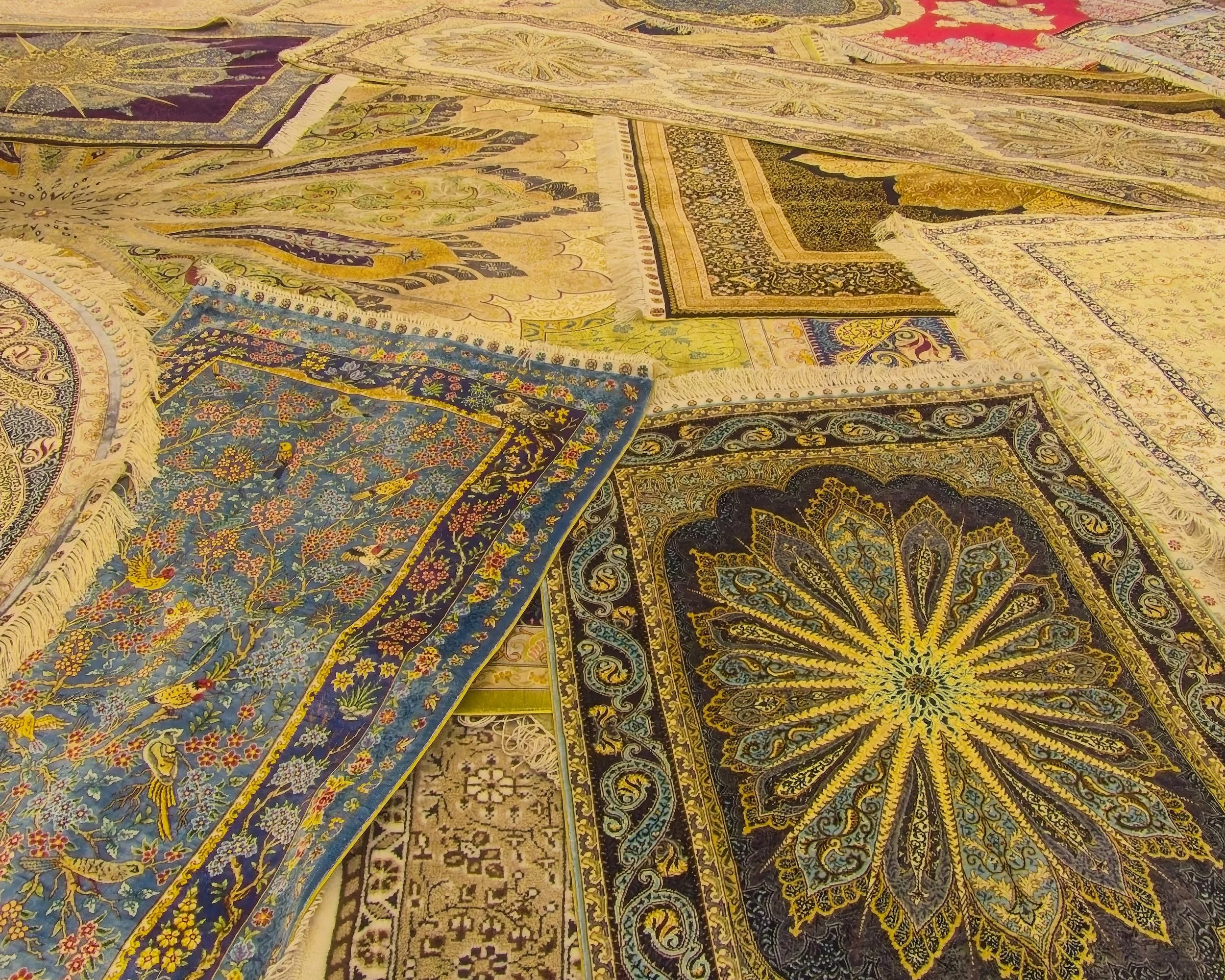
SELCUK CARPET WEAVING
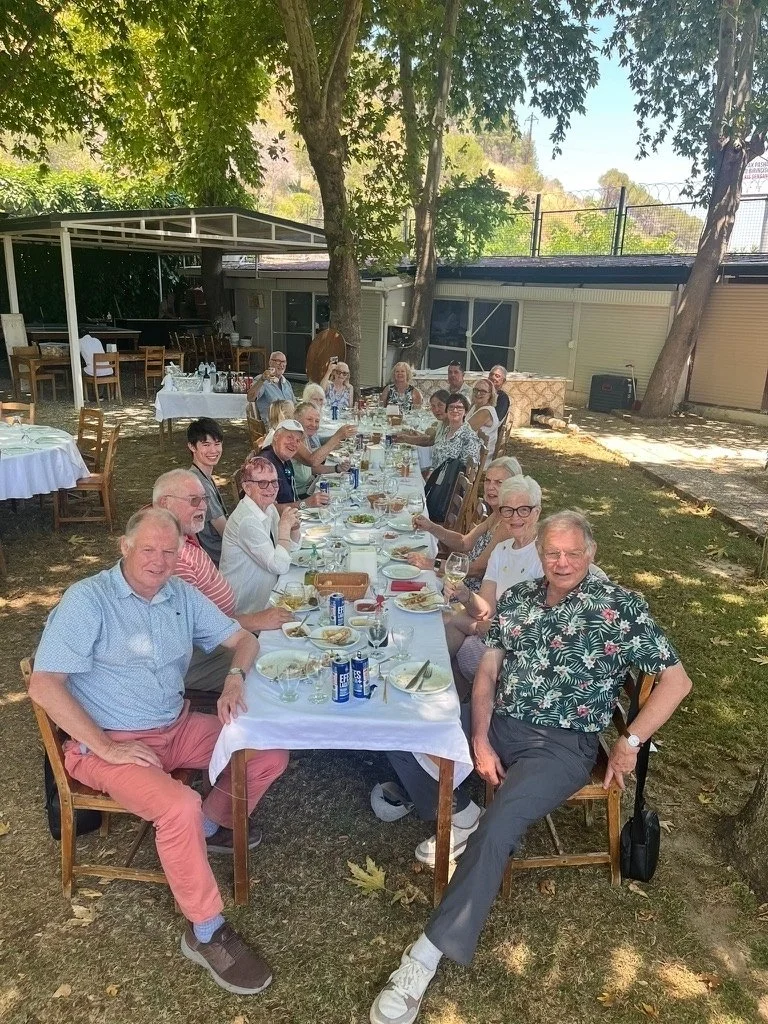
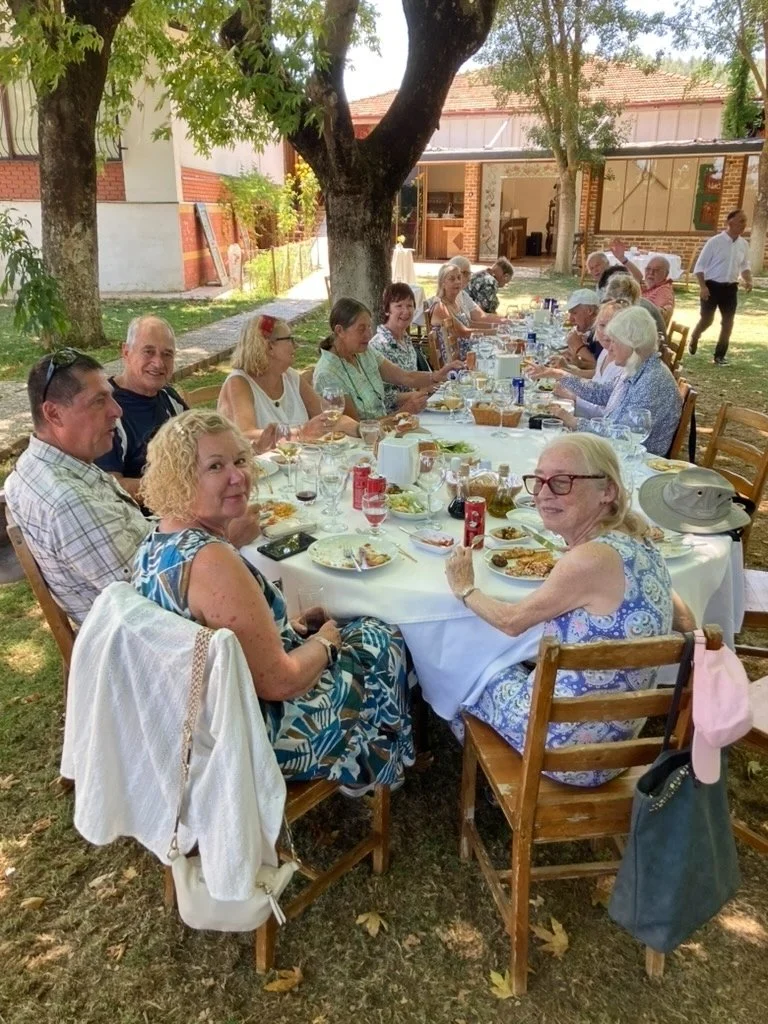
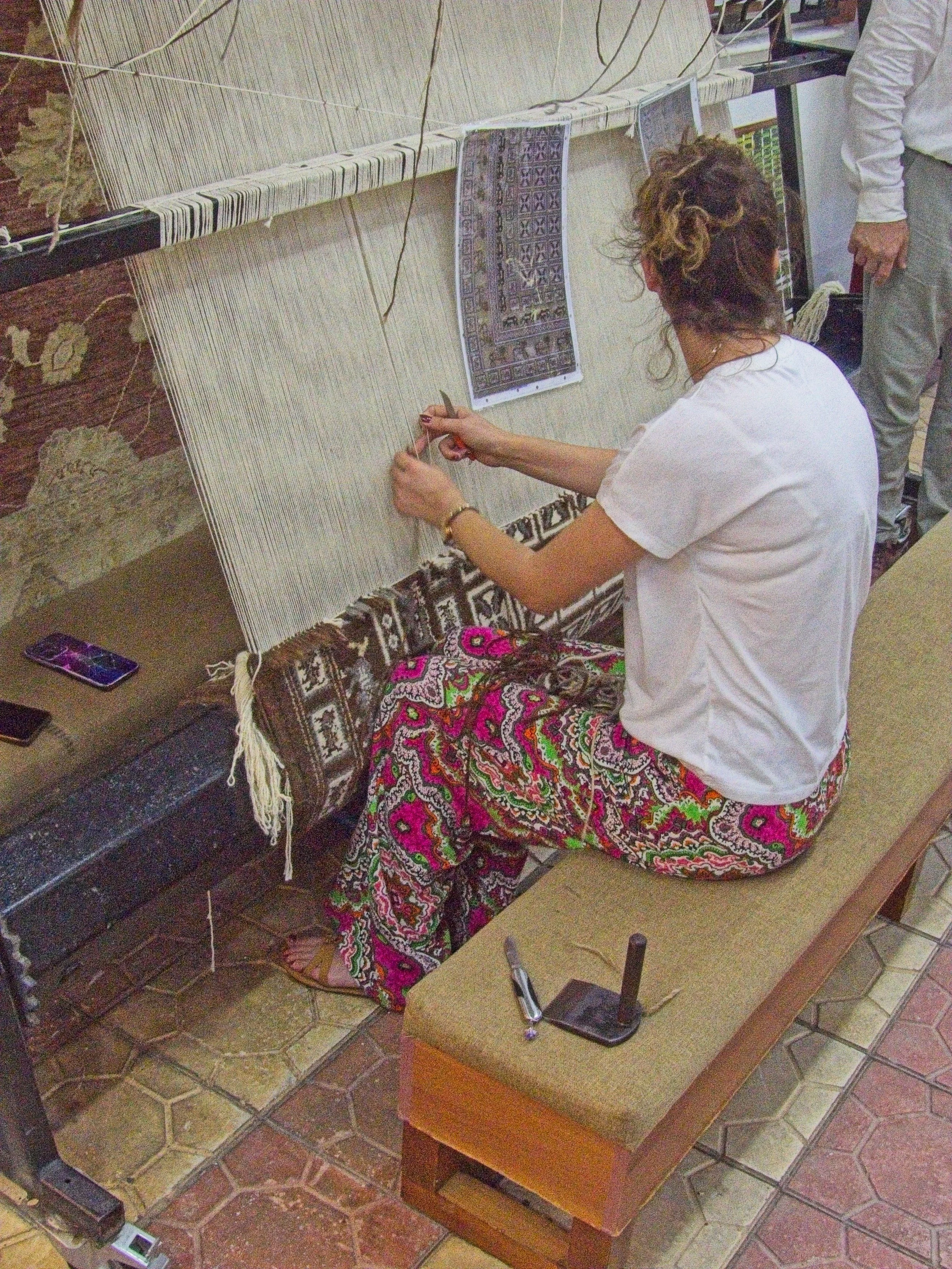
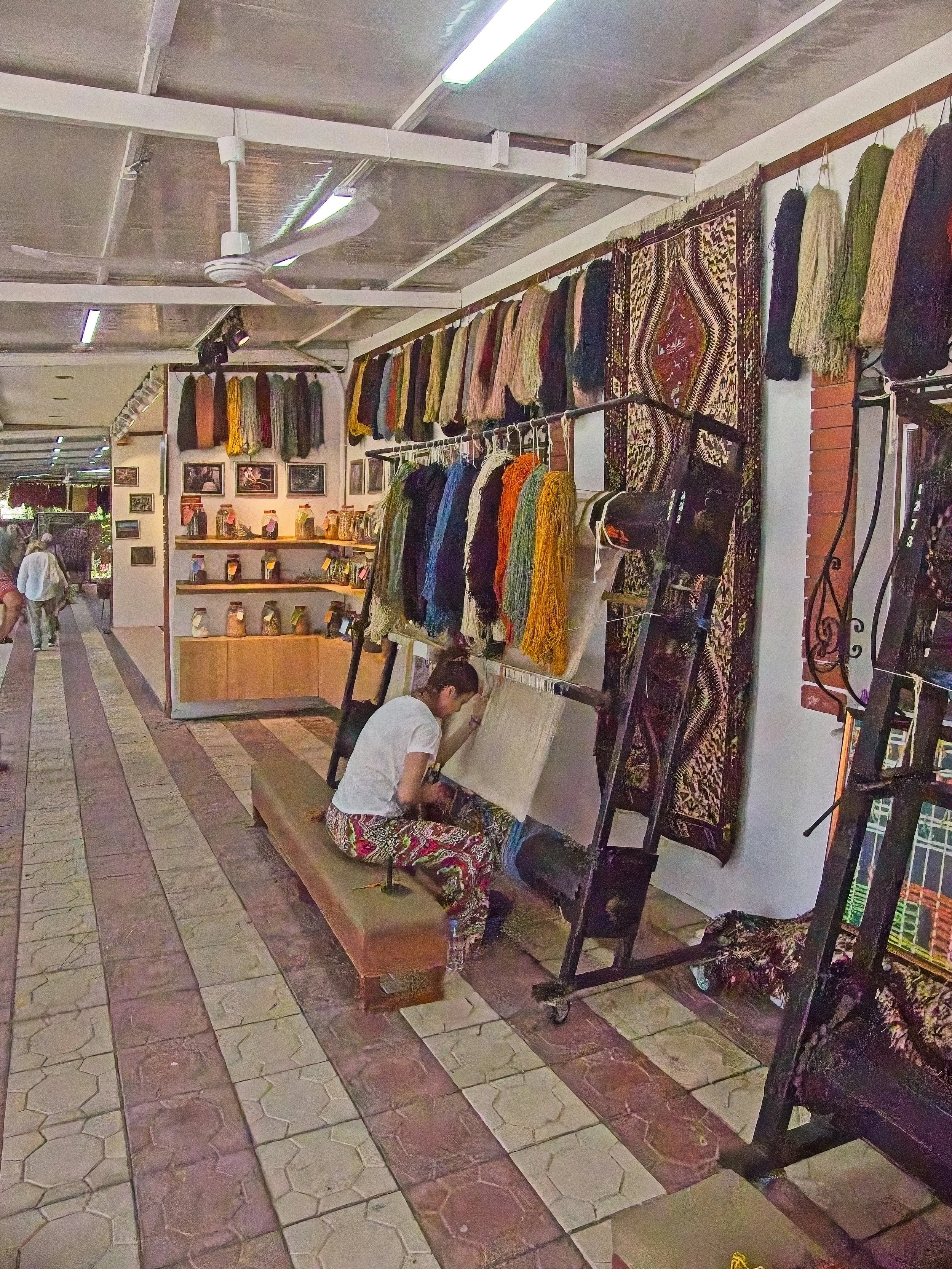
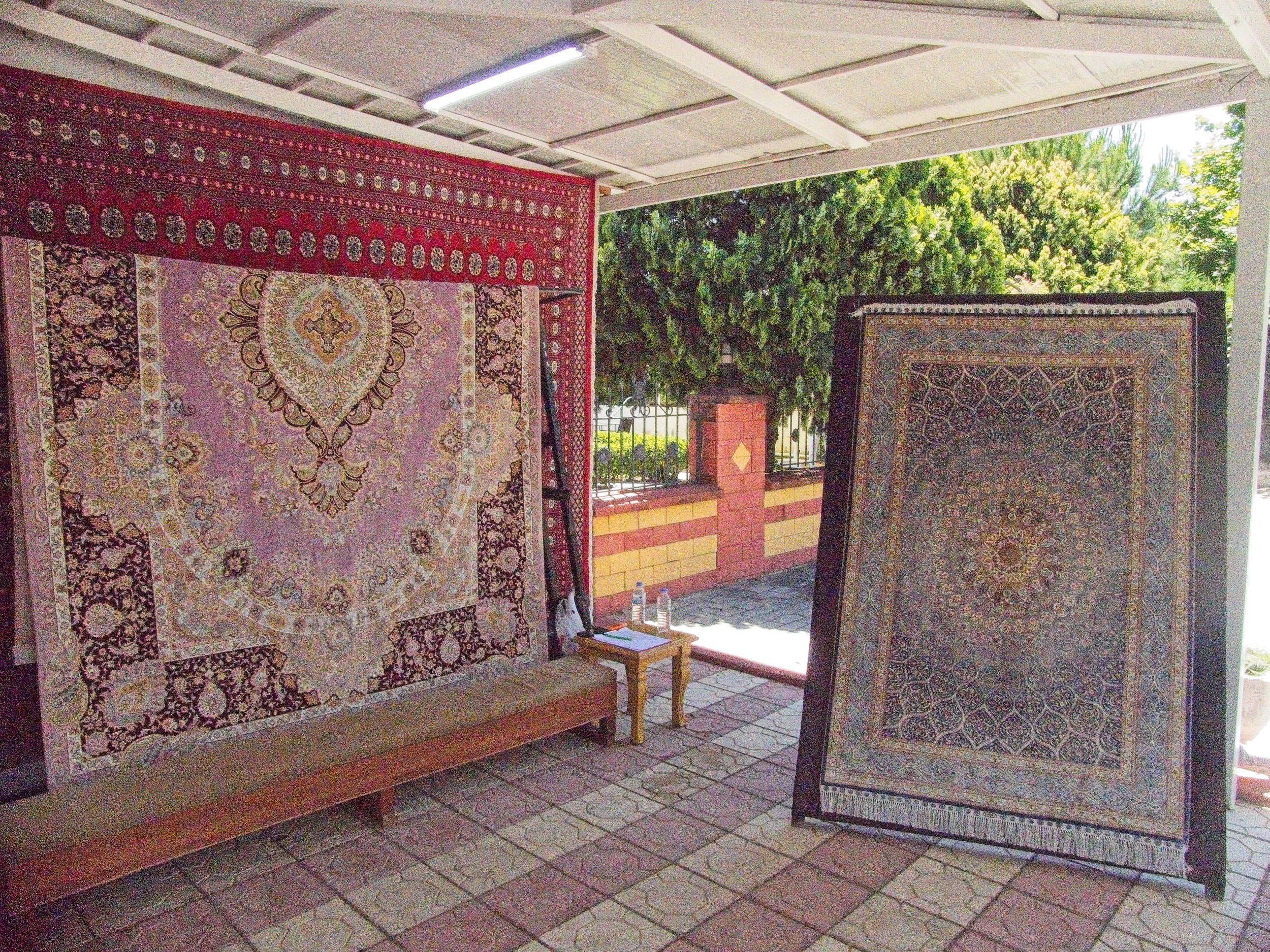
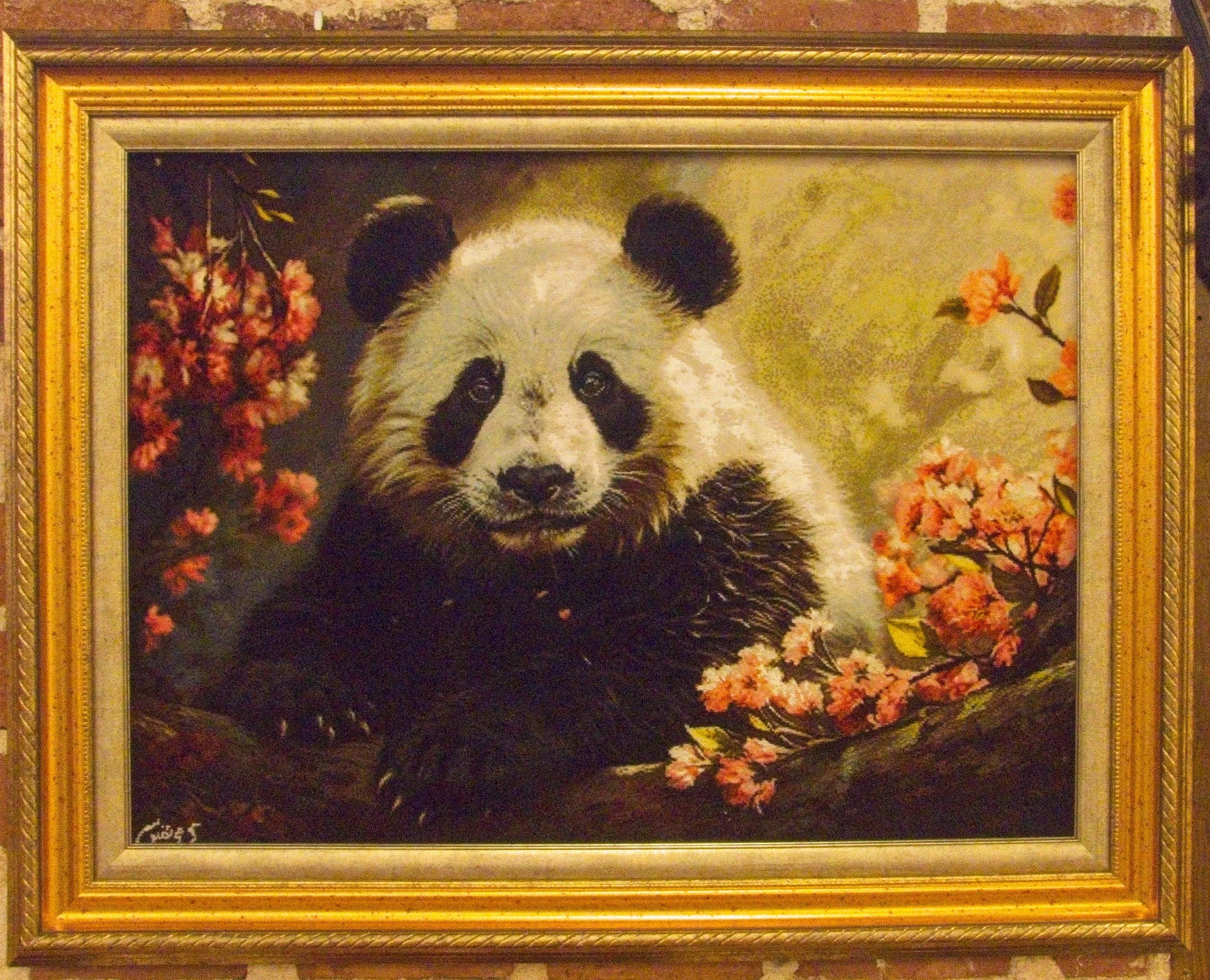
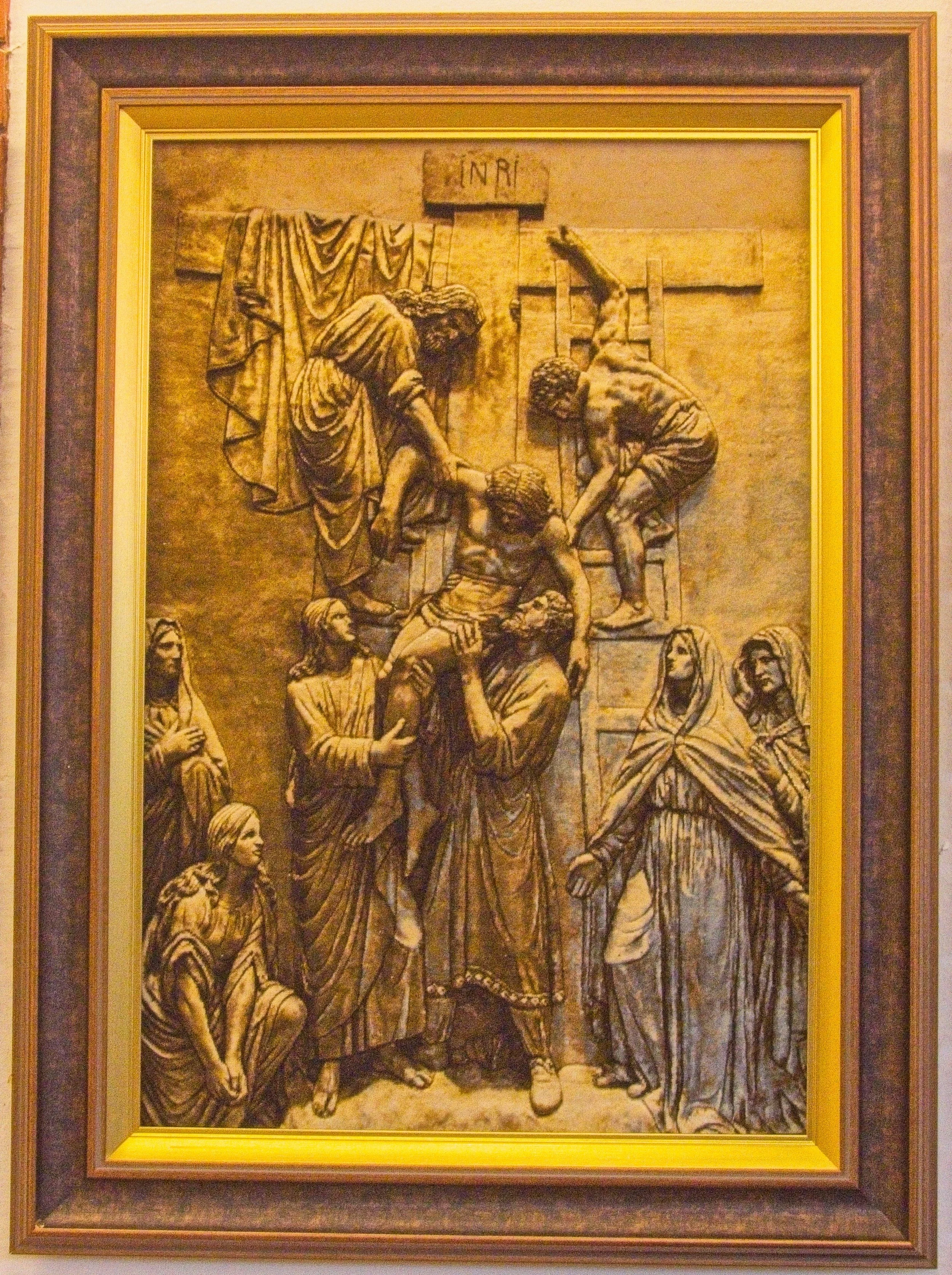
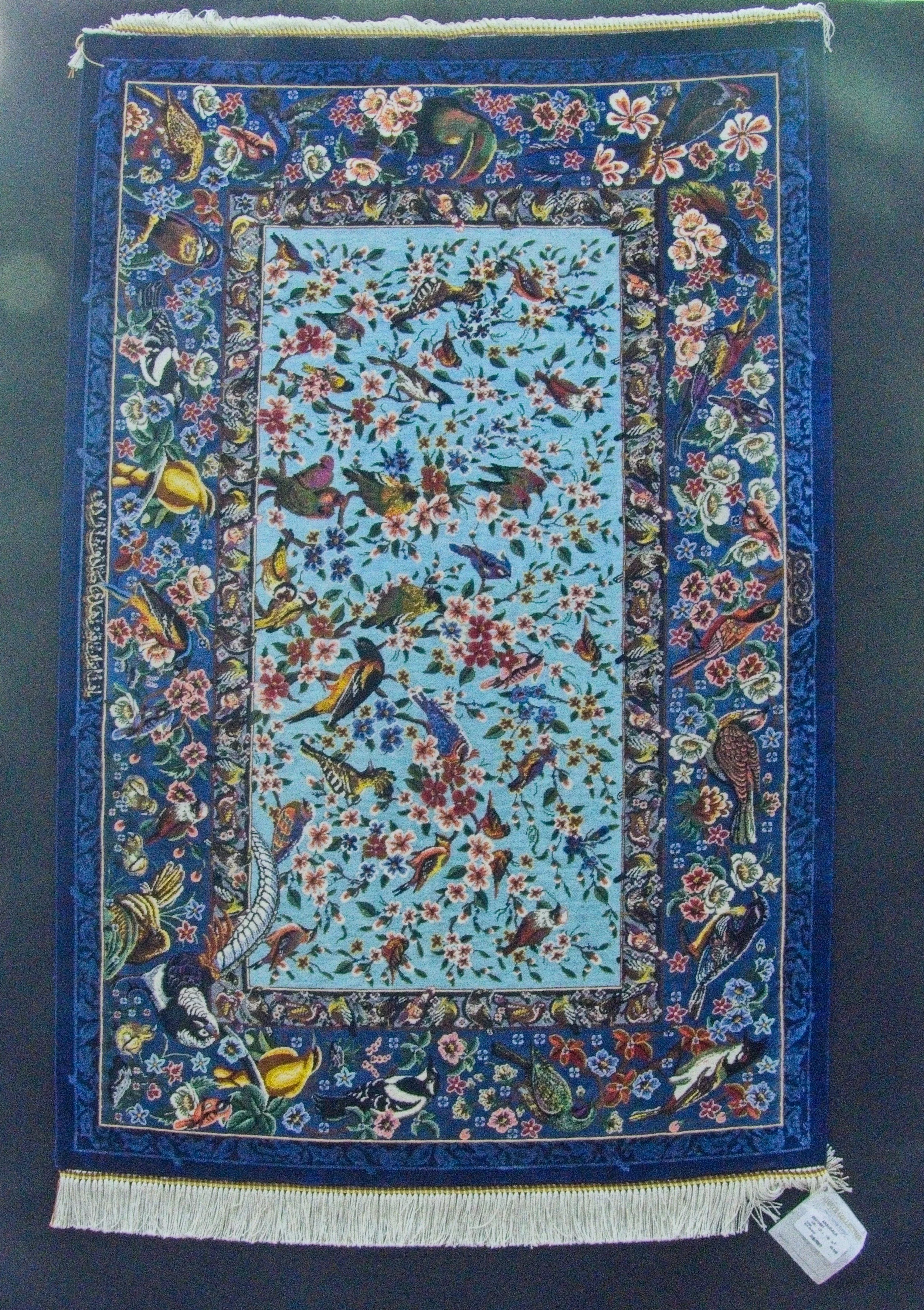
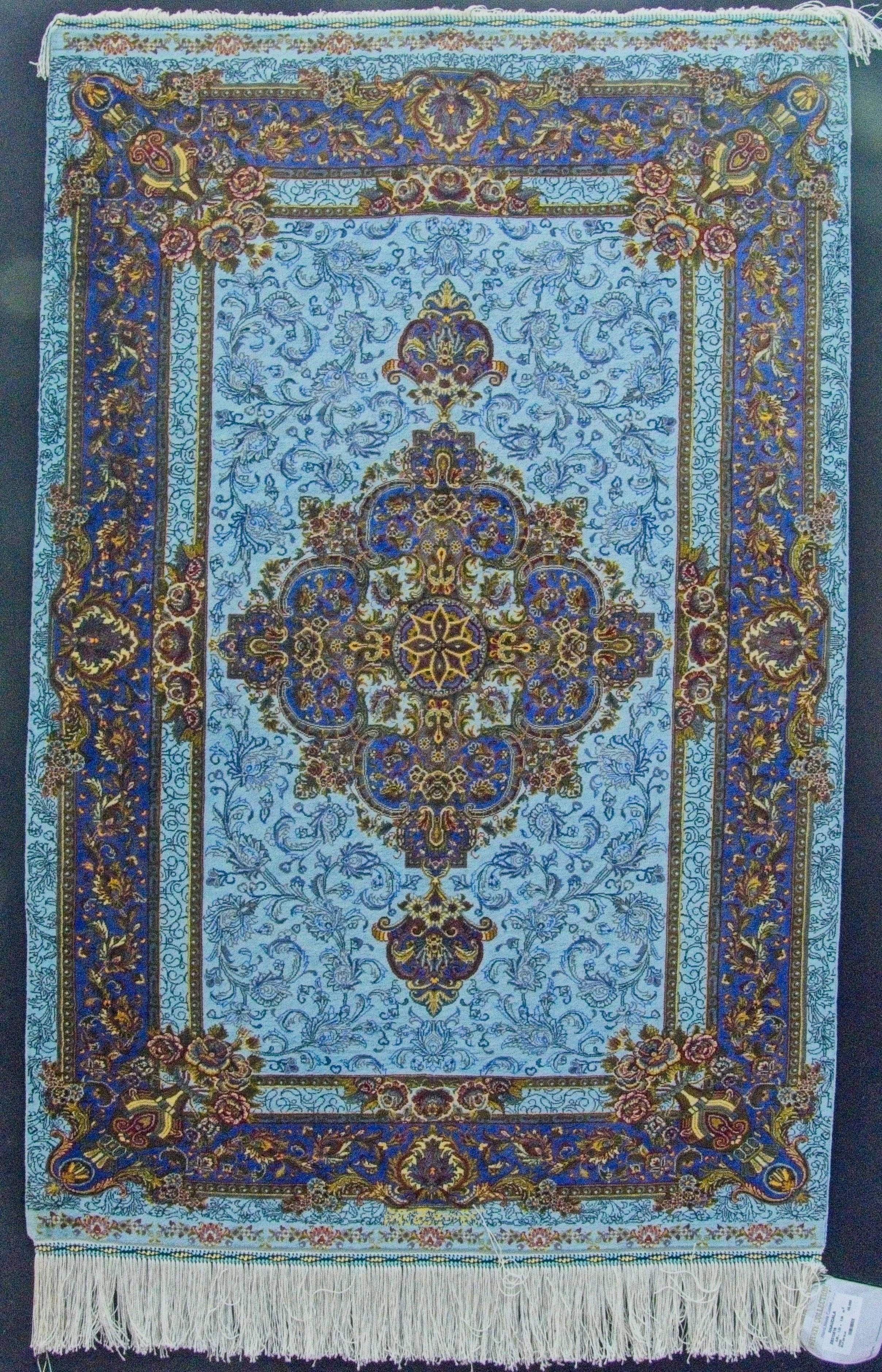
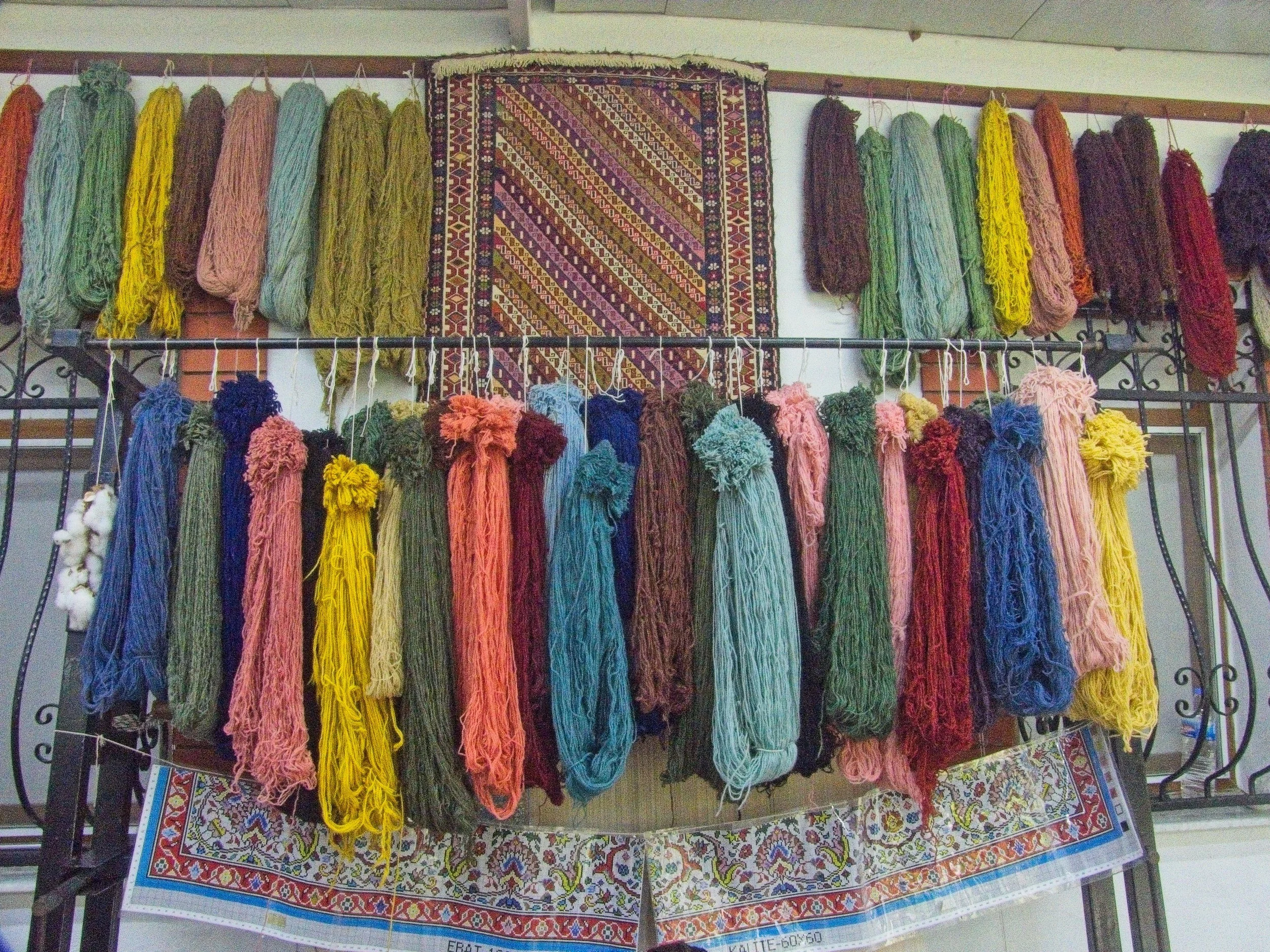
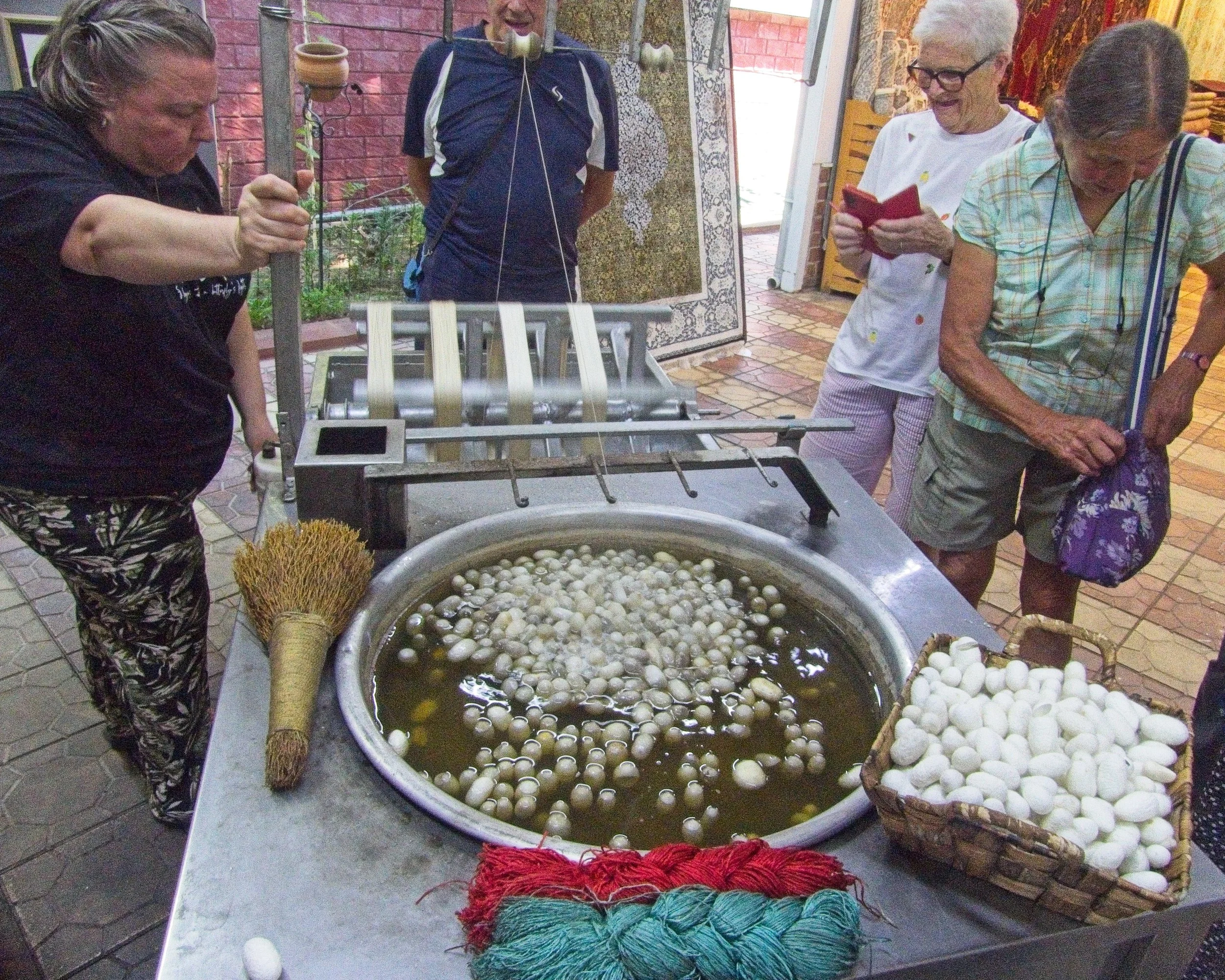
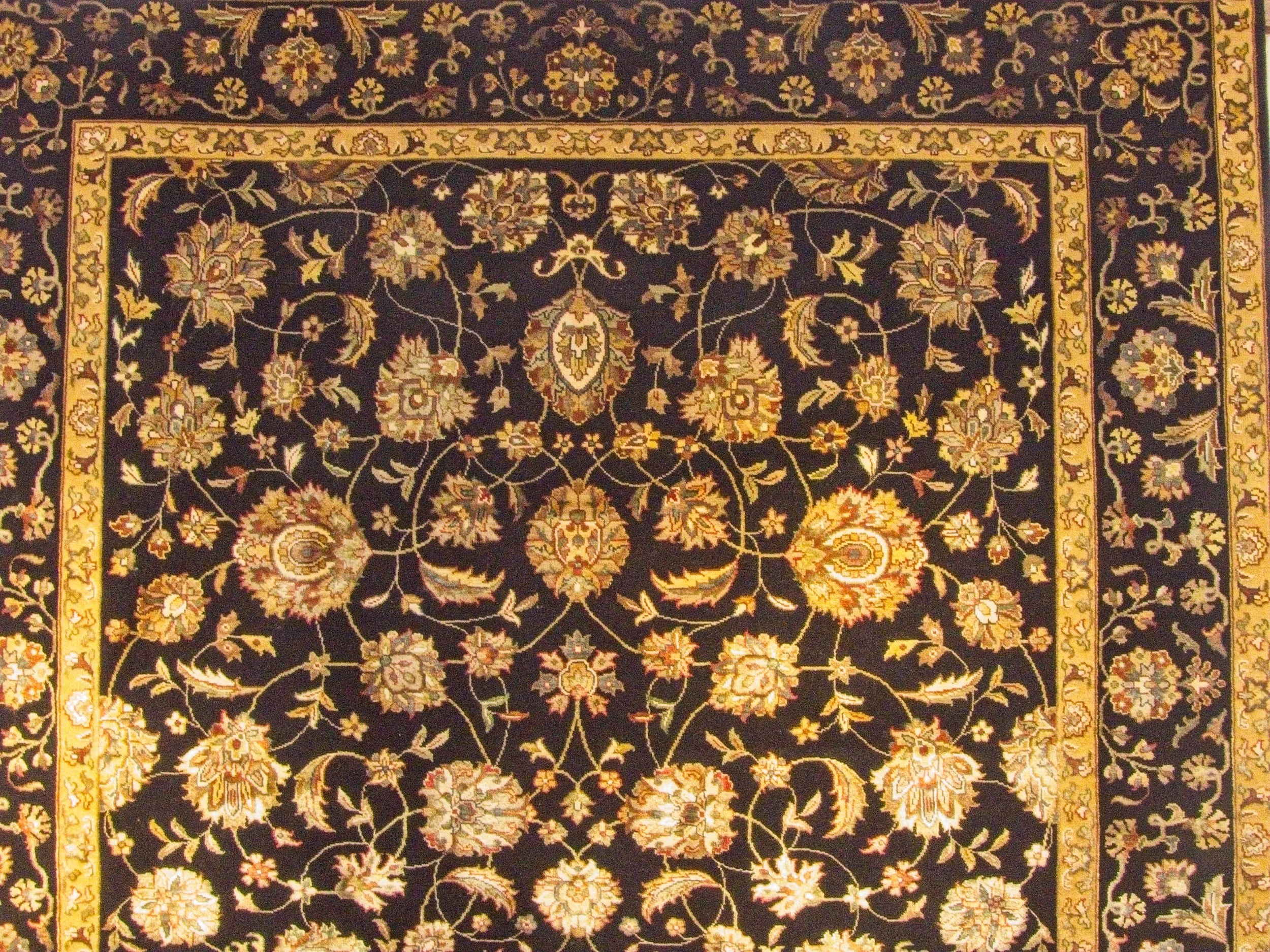
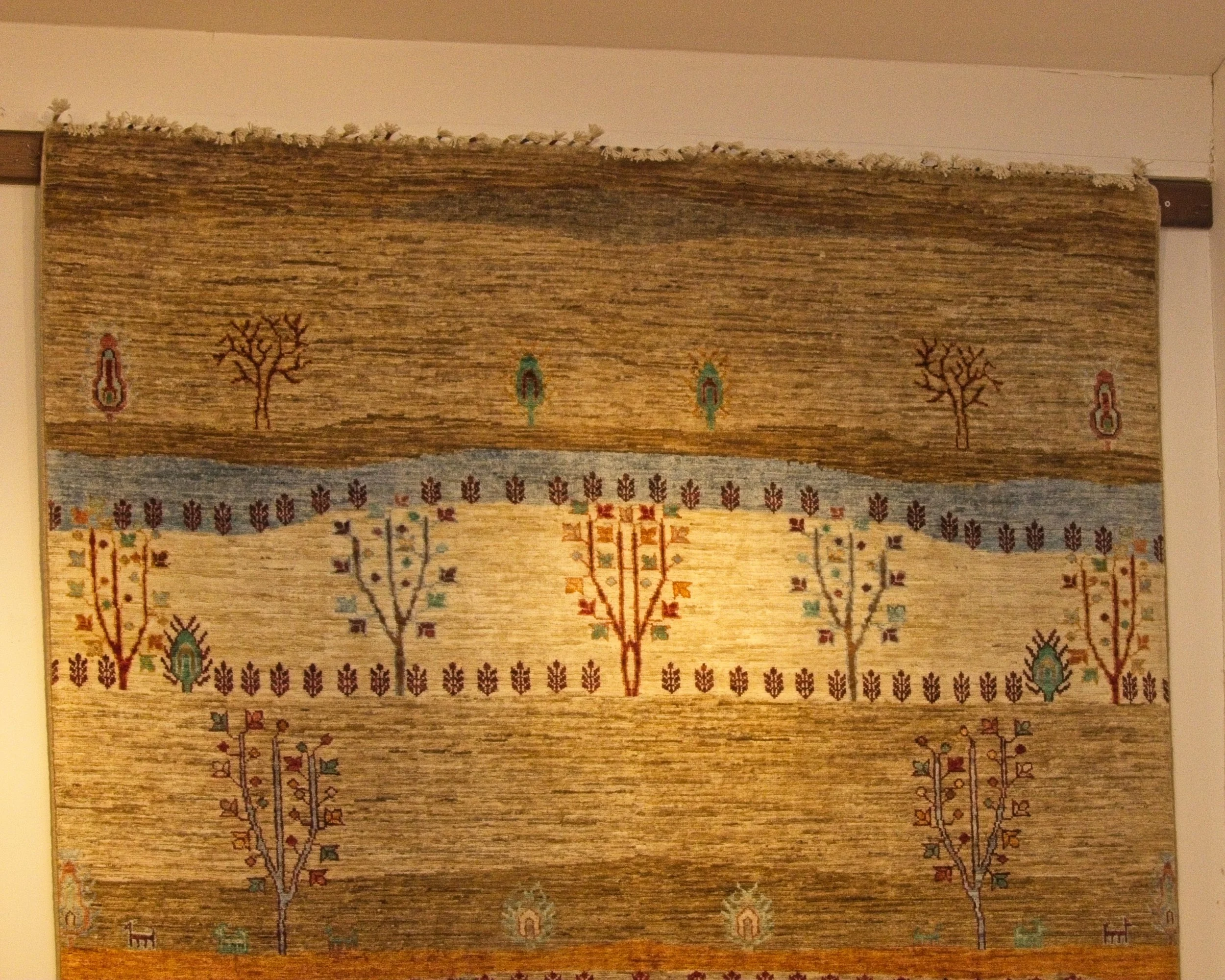
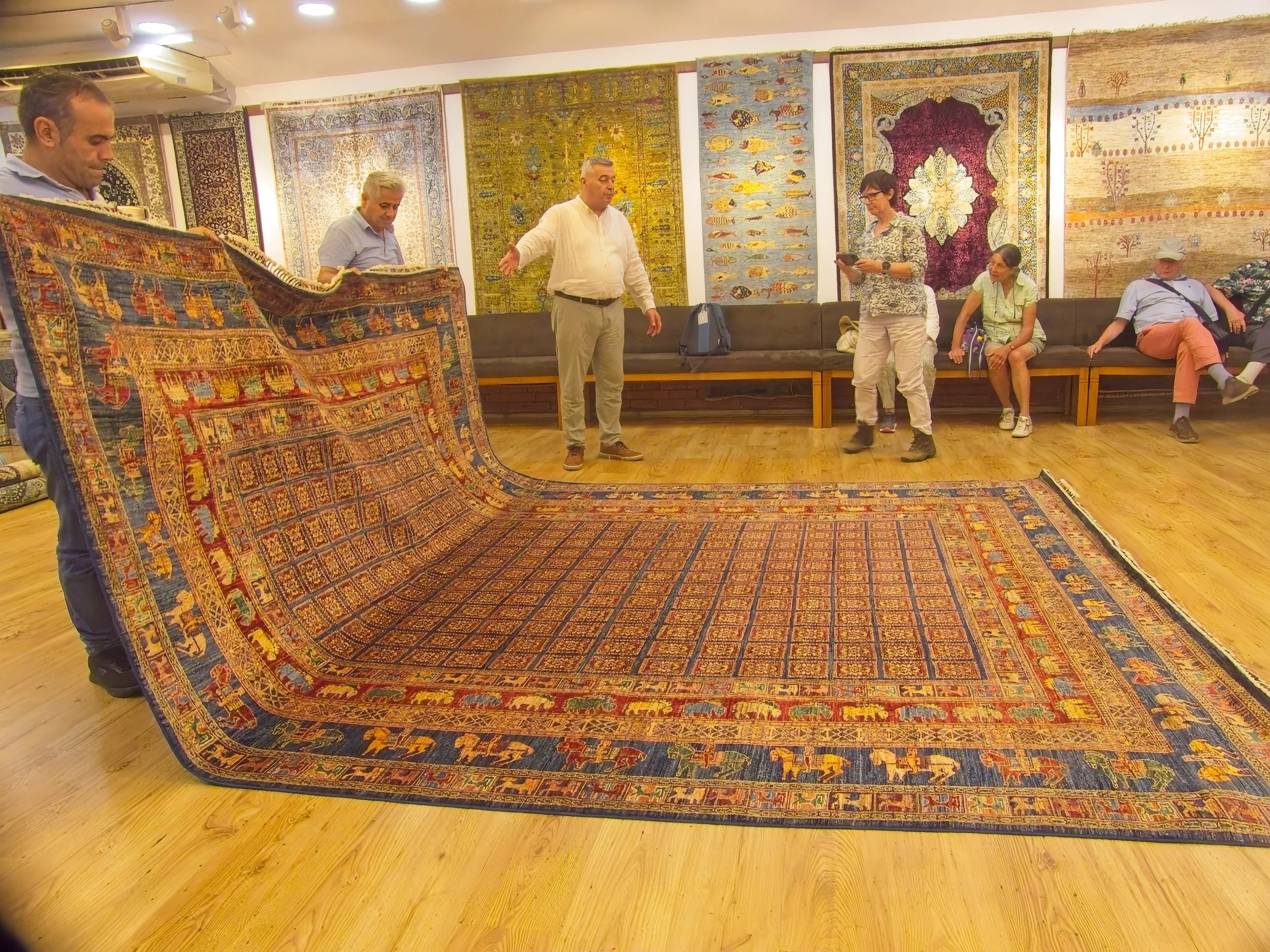
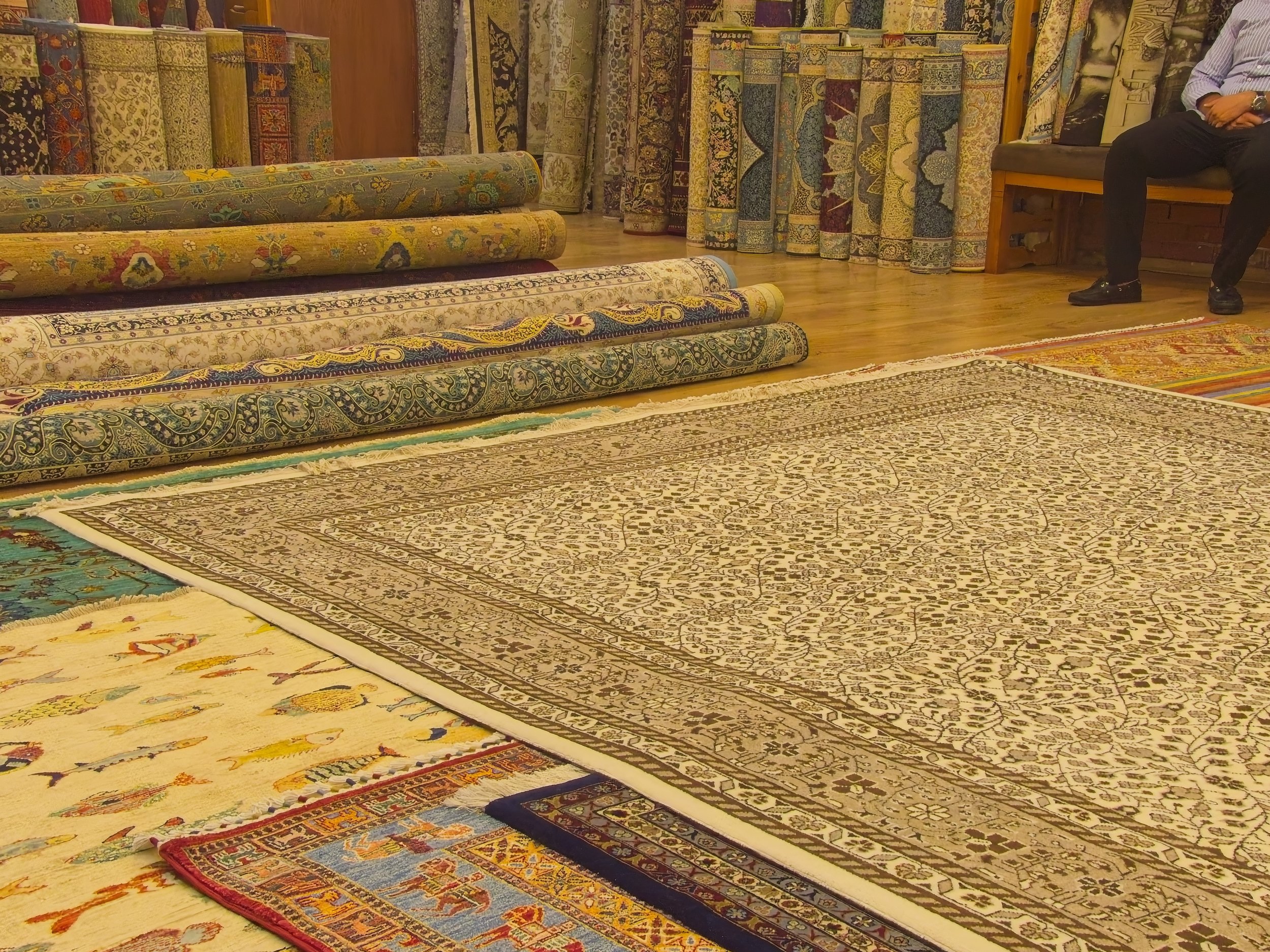
We stopped for lunch at a carpet weaving centre in Selcuk. The roots of Turkish carpet weaving trace back to the nomadic communities that struggled to survive in the harsh climate of Central Asia.
The earliest textiles were practical solutions, designed to organize life inside the tent and meet basic shelter needs.
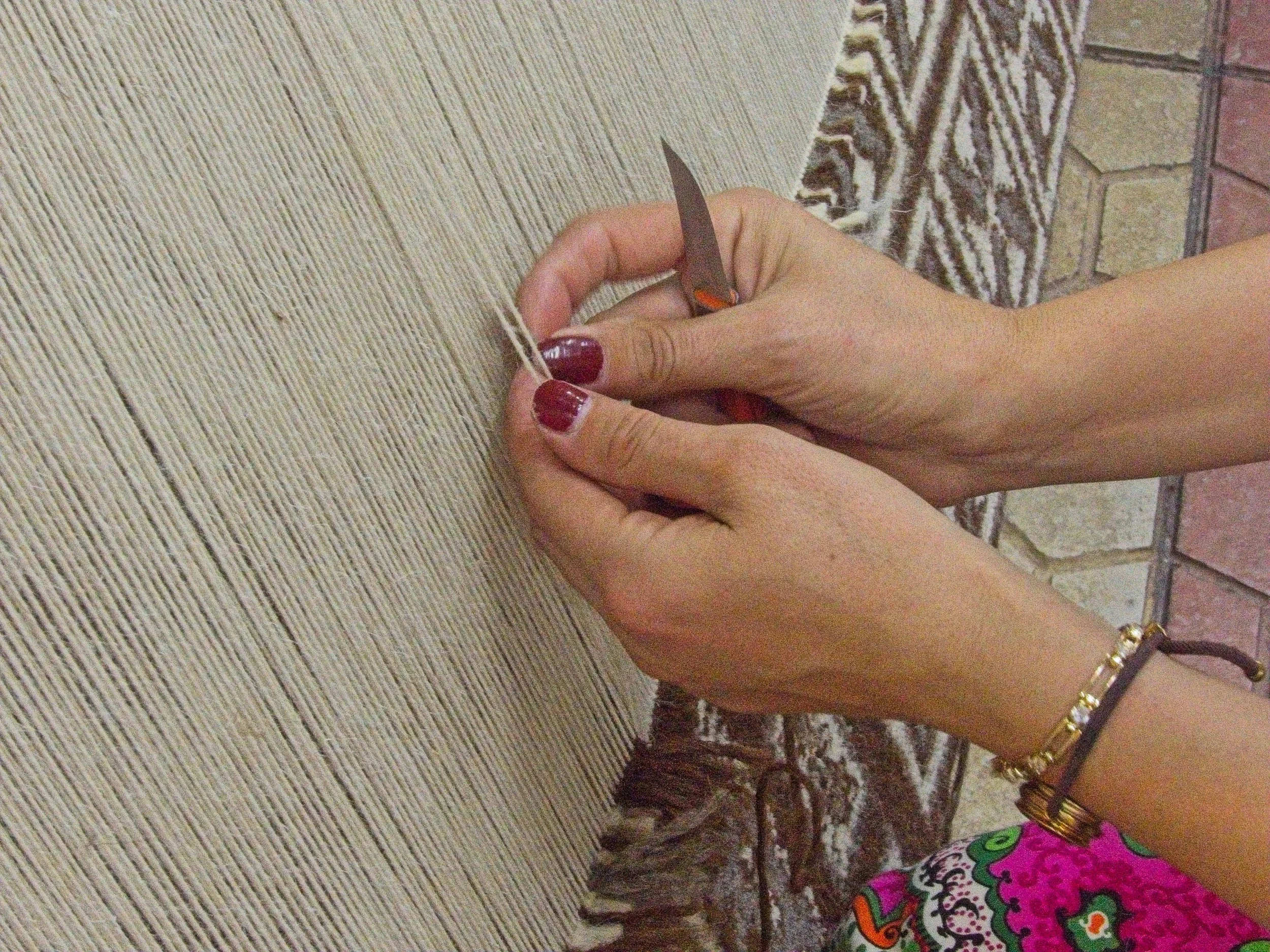
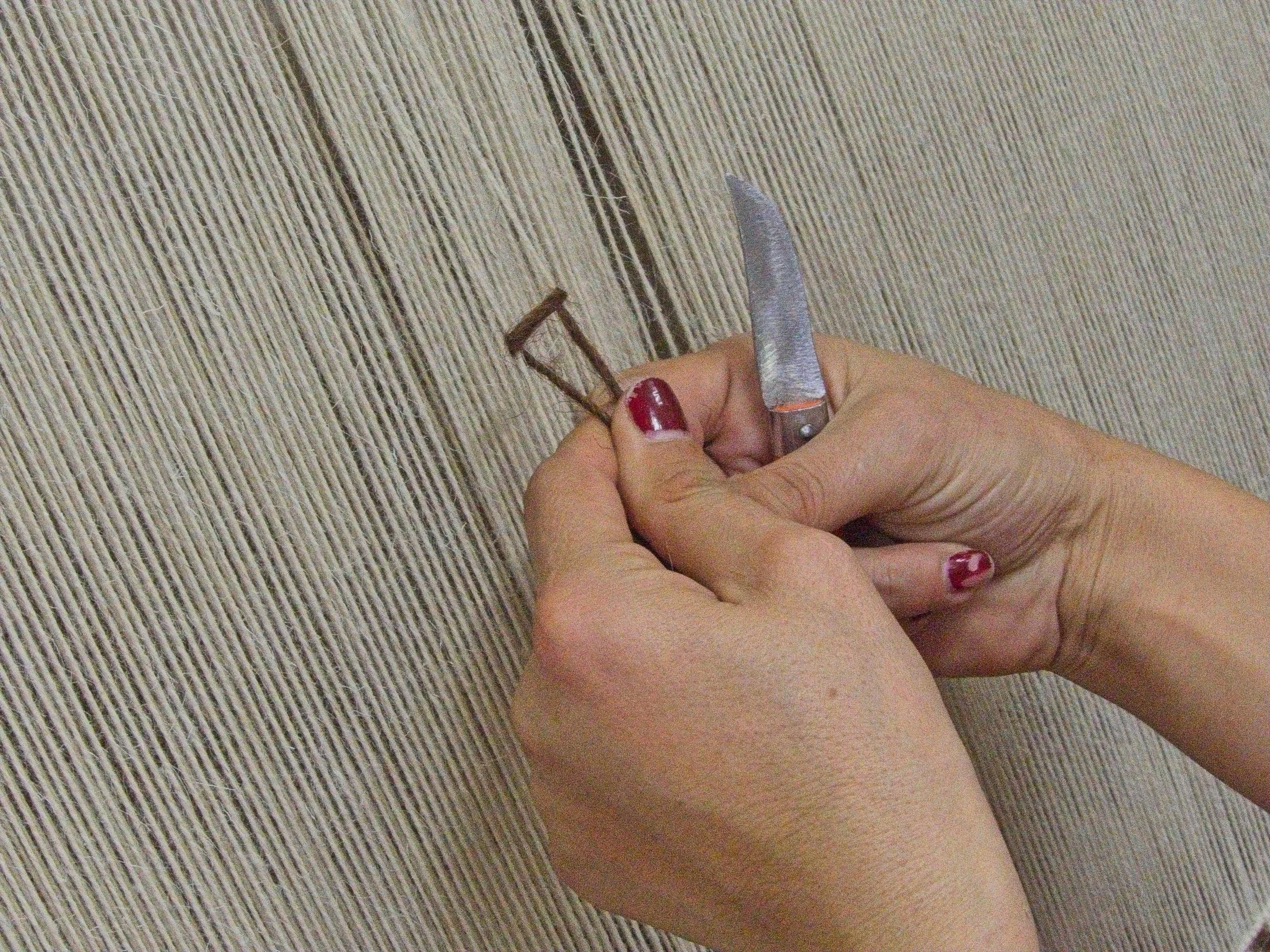
By the 13th century, under the Seljuks, weaving reached its peak in Anatolia. Here the double knot was used instead of the normal single knot to provide superior strength and durability. During the Ottoman era, particularly in the 16th and 17th centuries, this art entered its golden age. The geometric-patterned carpets appeared frequently in the canvases of Renaissance artists as refined decorative elements. In the 19th century, the Hereke workshop, founded by Sultan Abdülmecid, produced some of the world’s finest silk carpets, blending this tradition with the splendor of the imperial court.
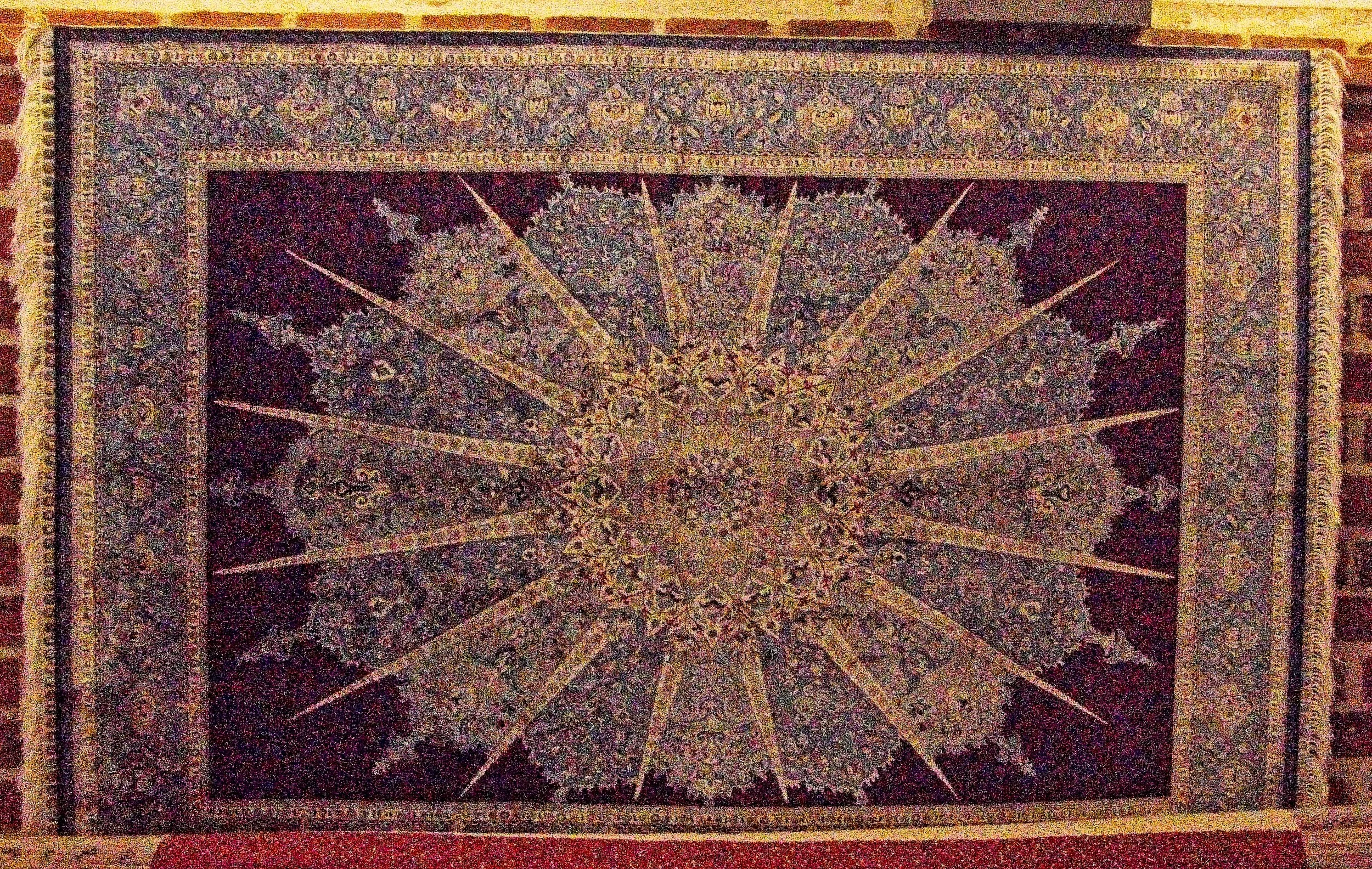
Today, this ancient craft remains vibrantly alive in historic centers such as Konya, Bergama, and Milas. As in the past, the true custodians of this art are still women weavers, who embed their emotions and lived experience into every double knot. No longer merely floor coverings, Turkish carpets have become powerful carriers of cultural identity and collective memory through their symbolic language. In modern interiors, they are valued both as functional objects and as works of art, yet preserving them requires careful attention, protection from direct sunlight, regular airing, and professional cleaning. With this care, the motifs of Anatolia’s millennia-old tradition continue to endure as living aesthetic heritage in the contemporary world.