UNDERGROUND CITY & POTTERS
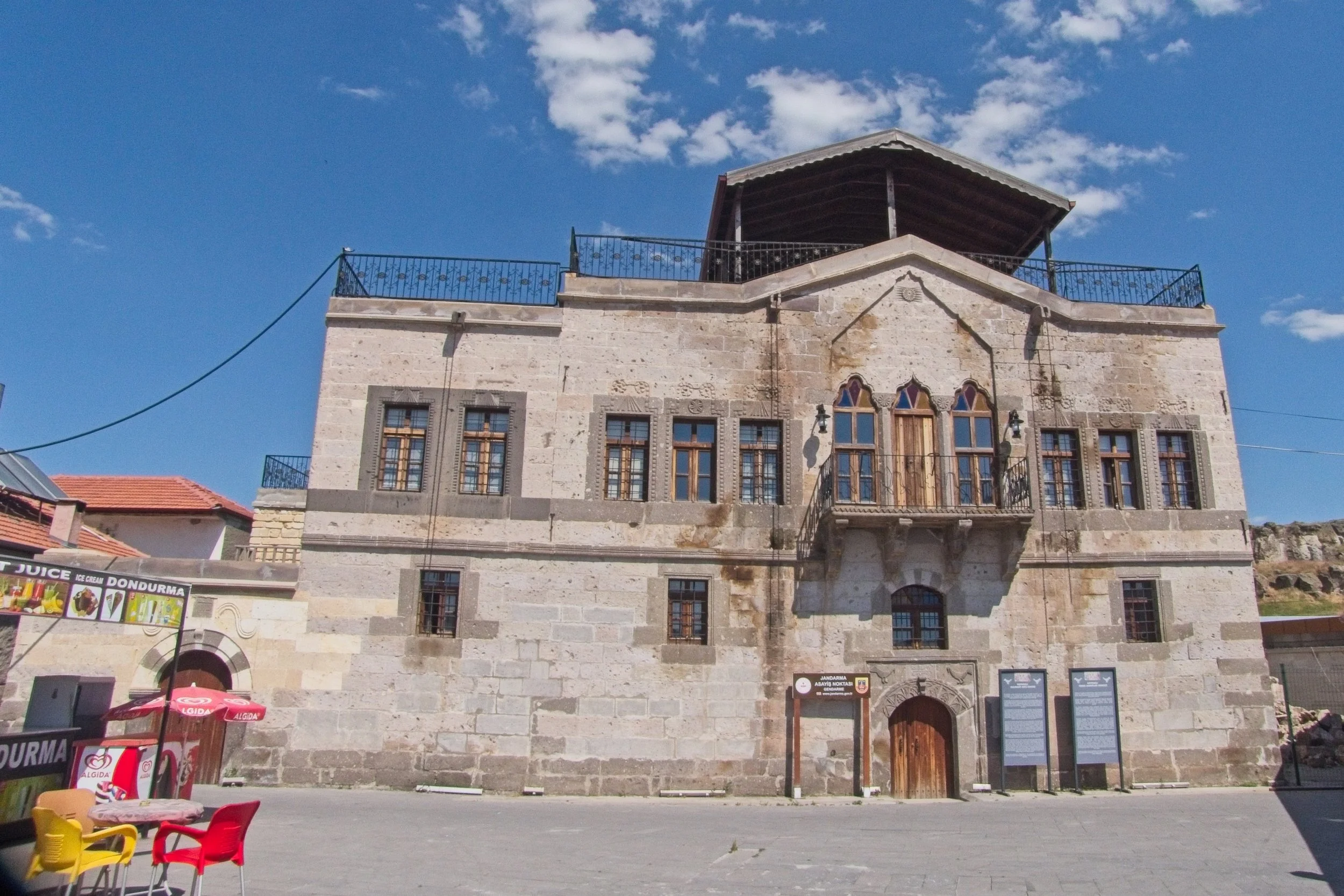
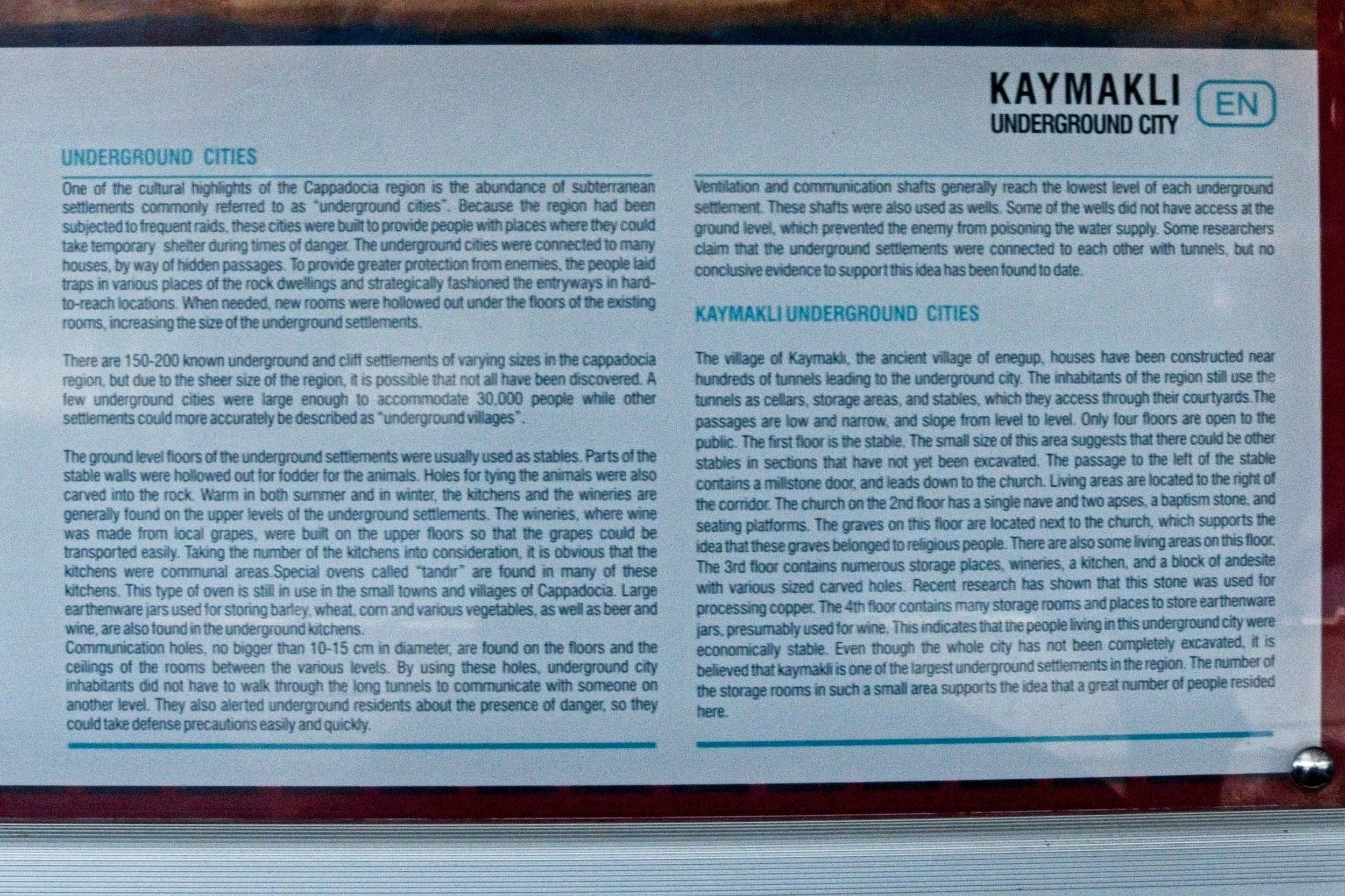
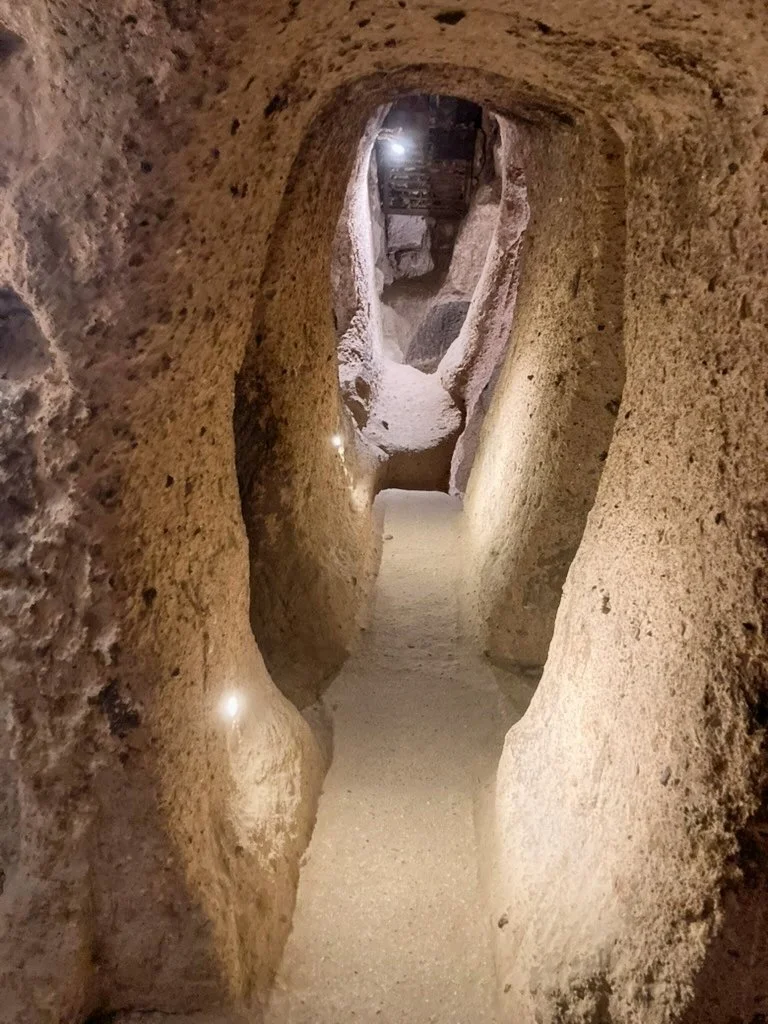
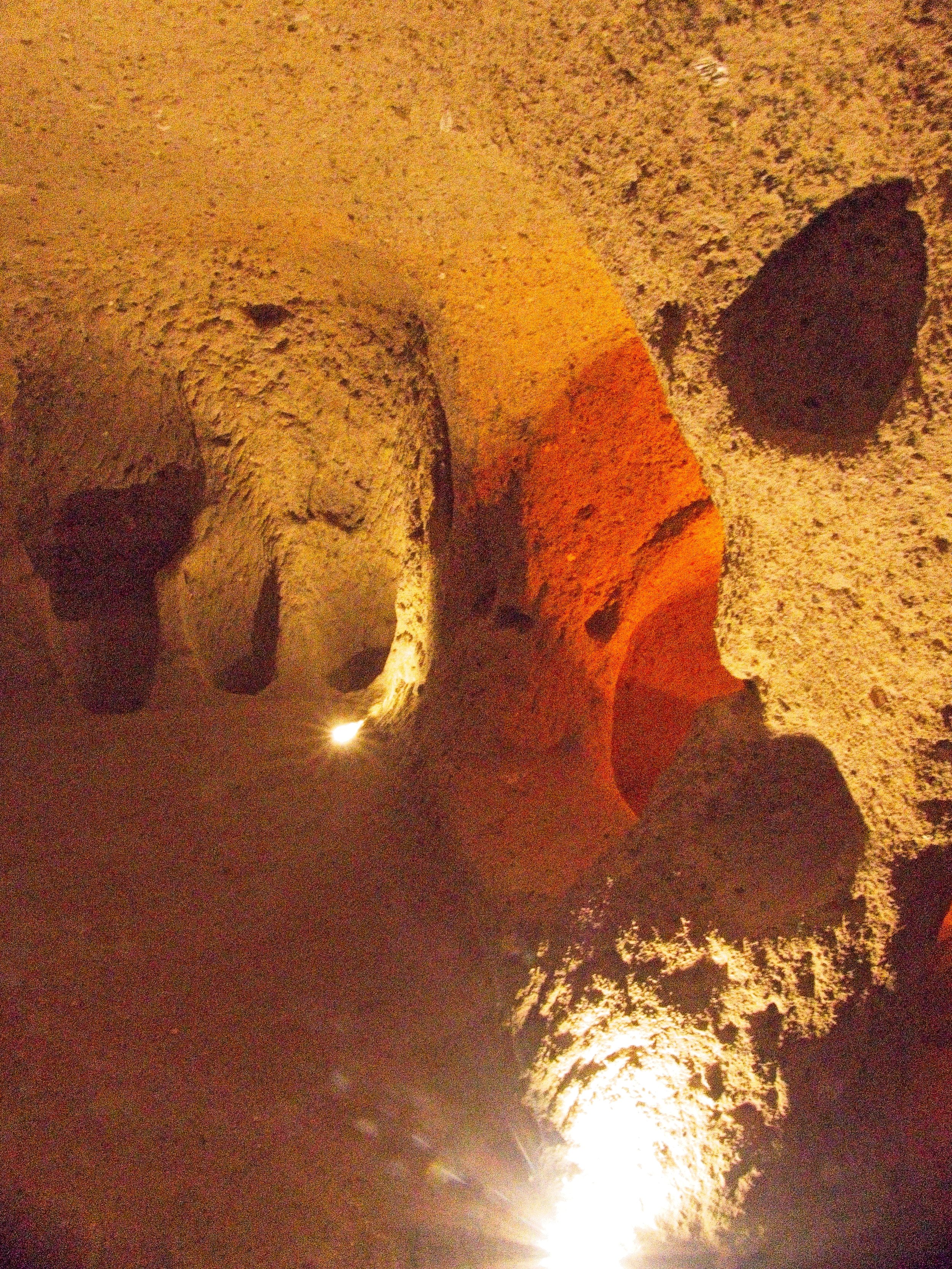
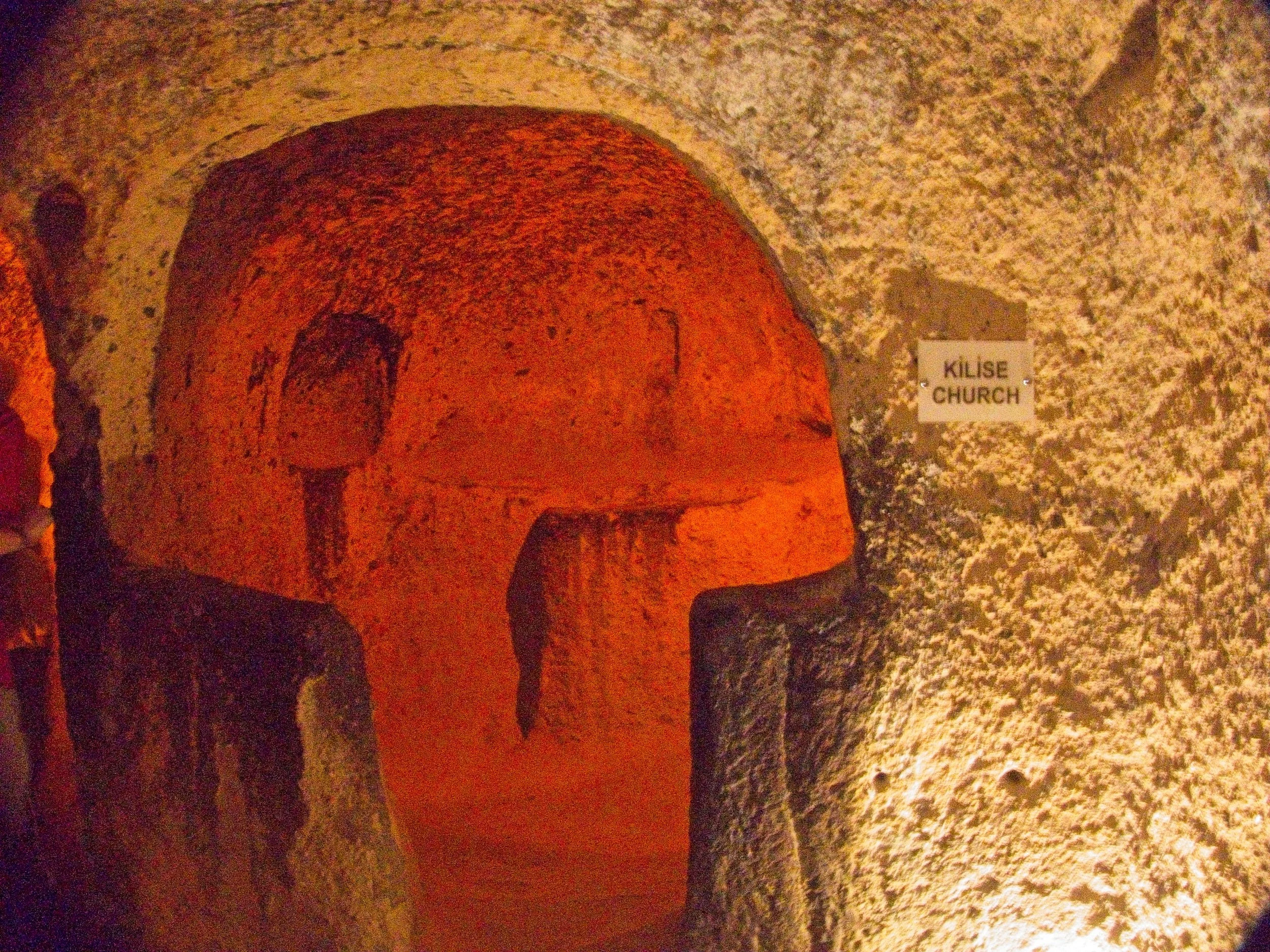
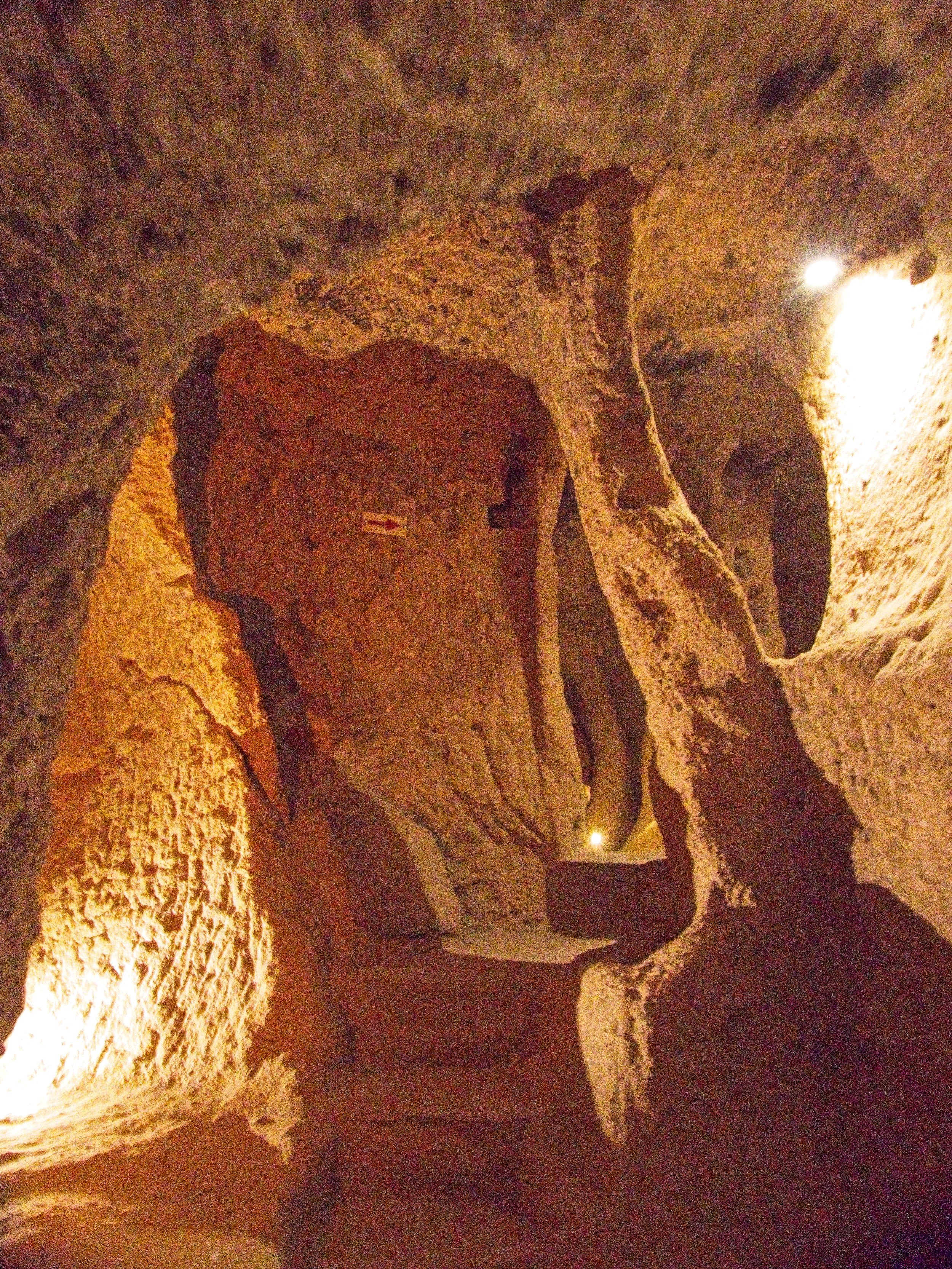
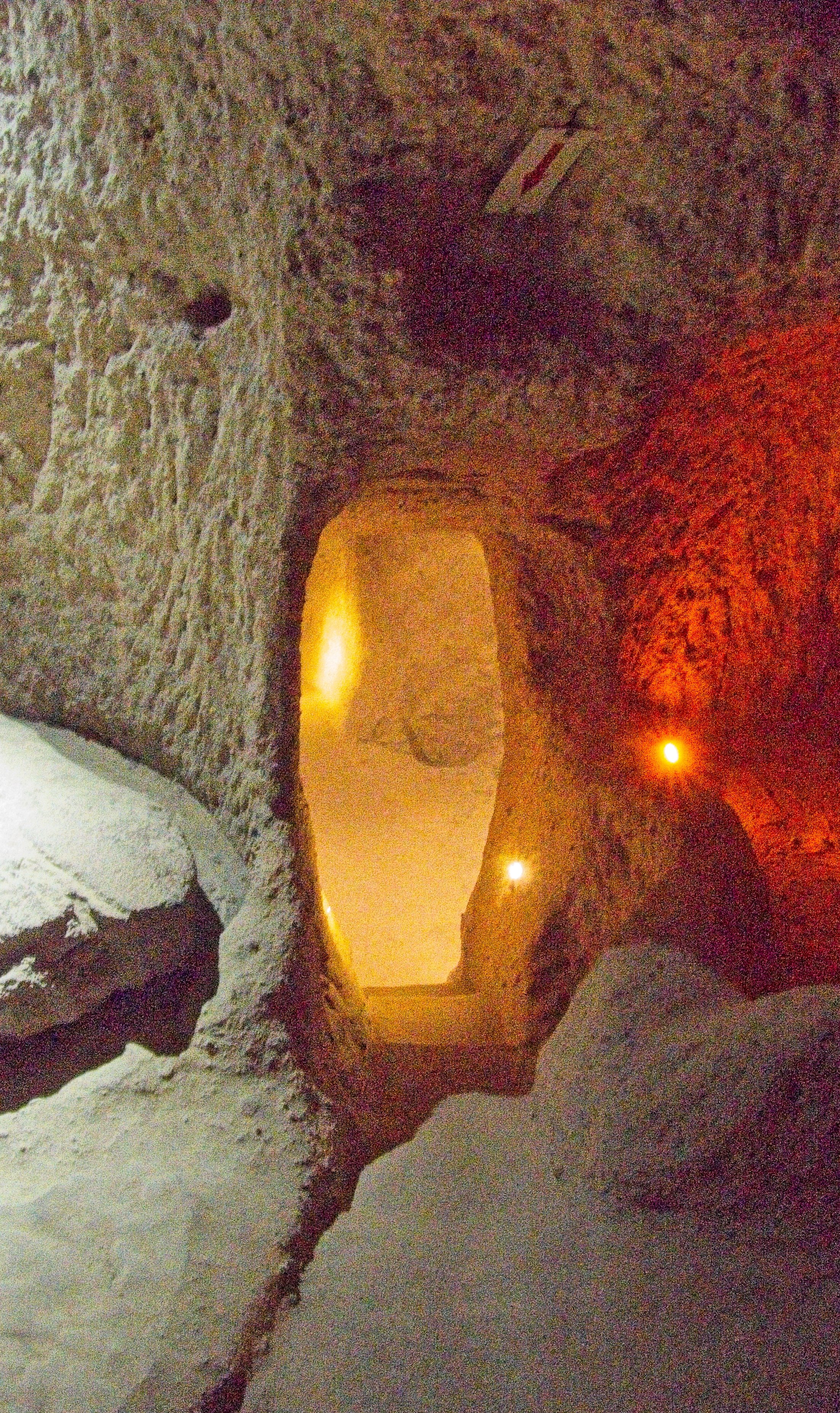
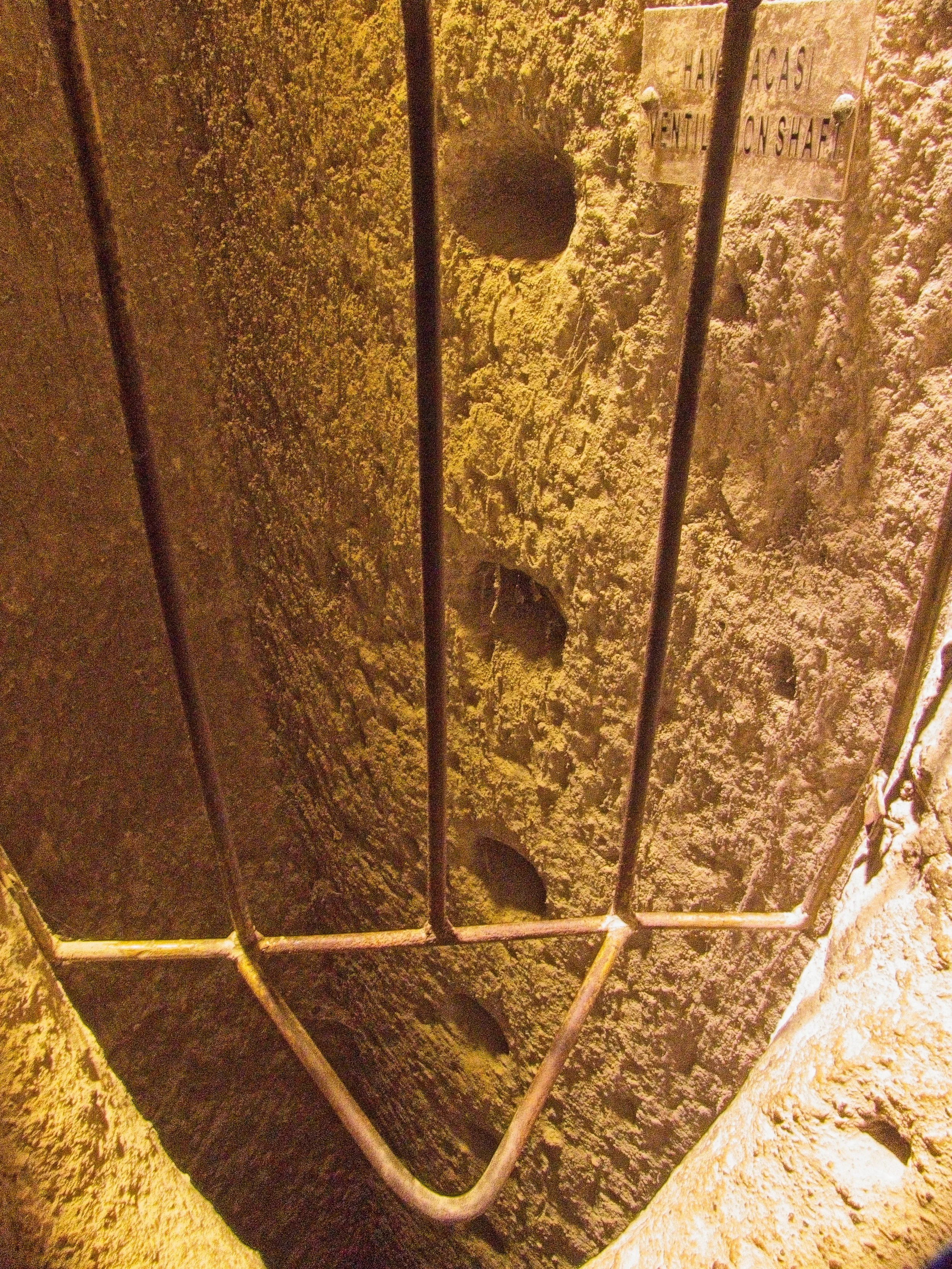
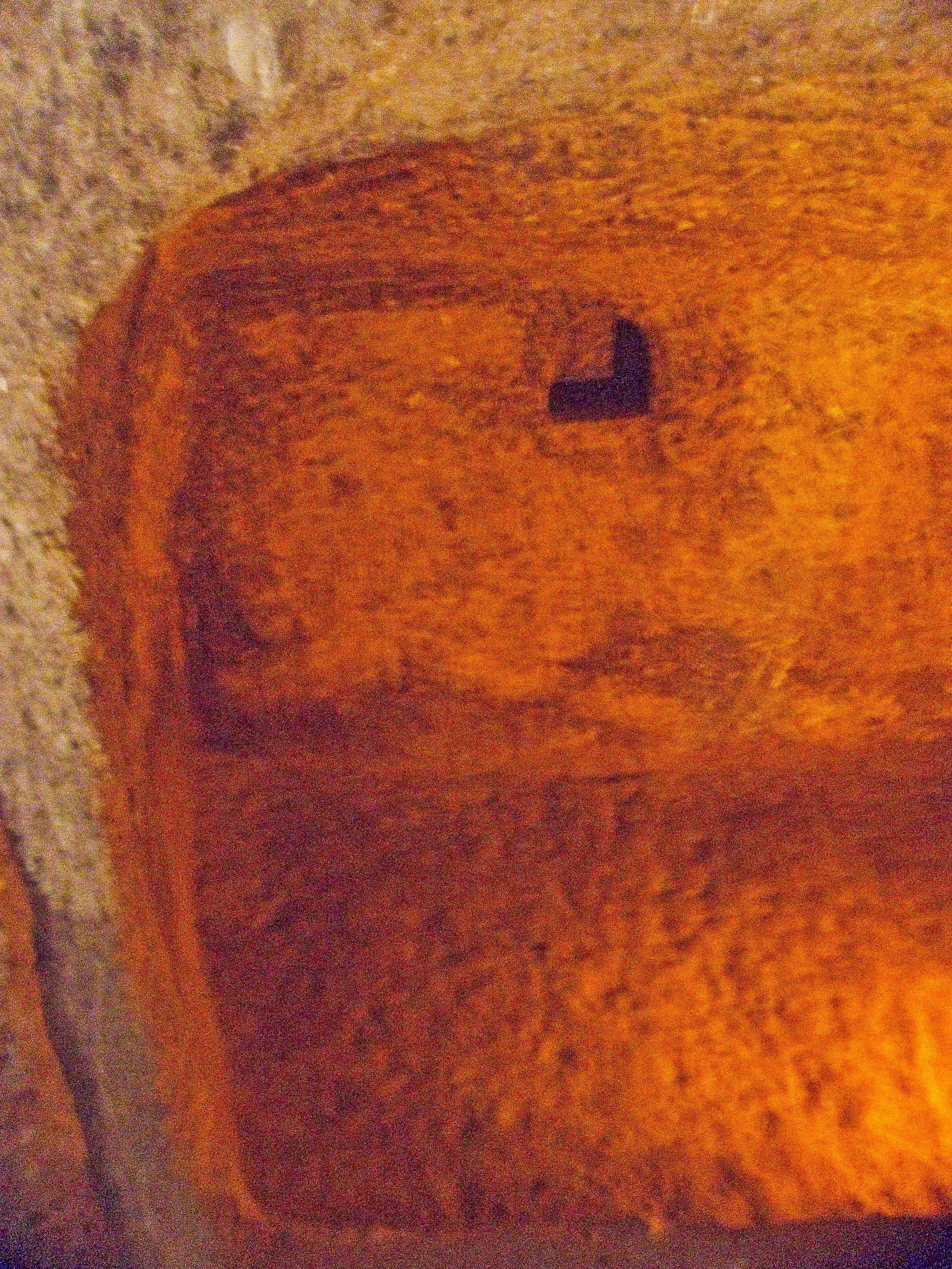
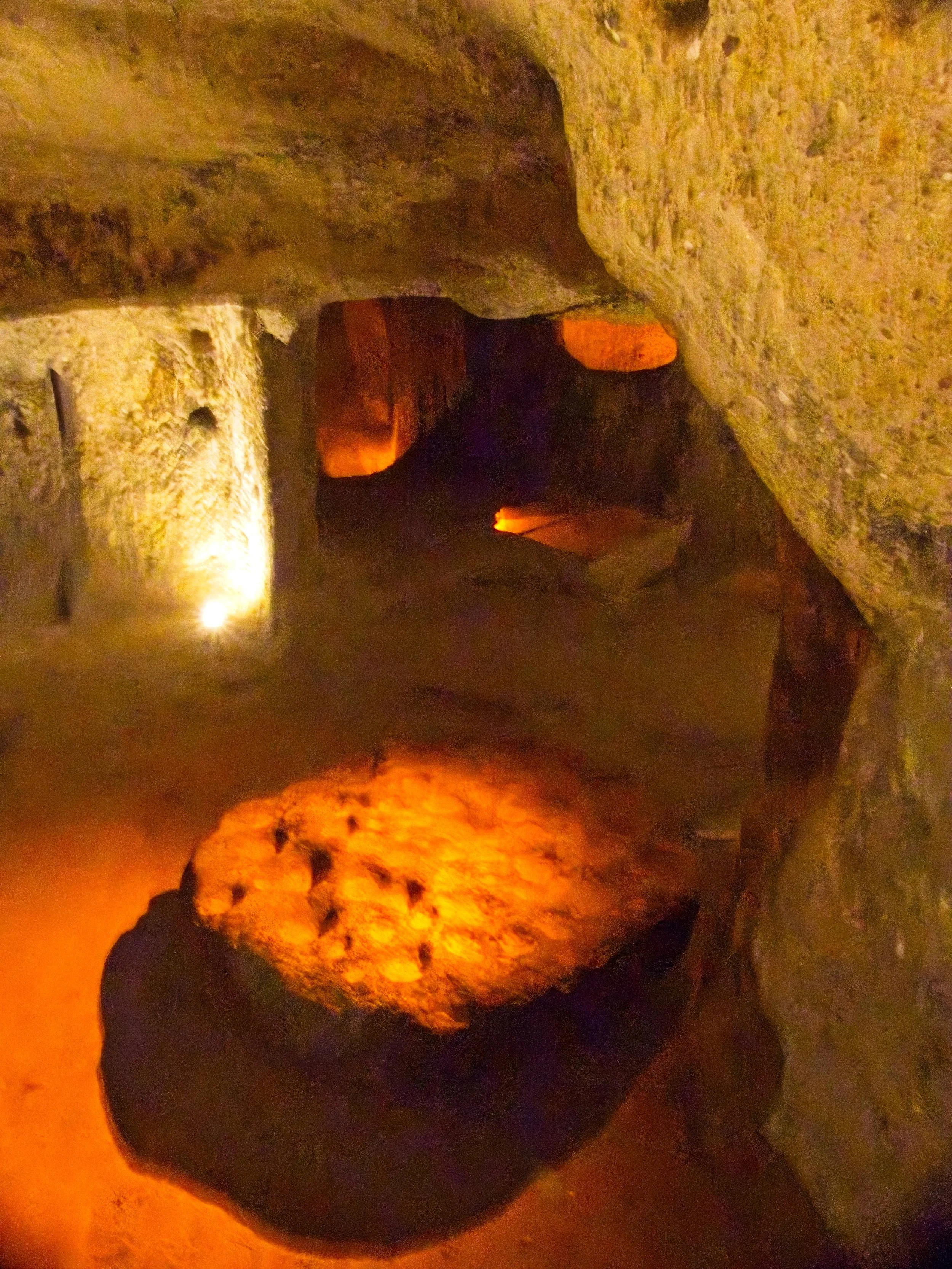
Kaymakli underground city is contained within the citadel of Kaymakli in Nevşehir Province, in the Central Anatolia Region of Turkey. It is one of around 200 underground cities within the Cappadocia region. It's not the deepest but is perhaps the best and most accessible example to visit.
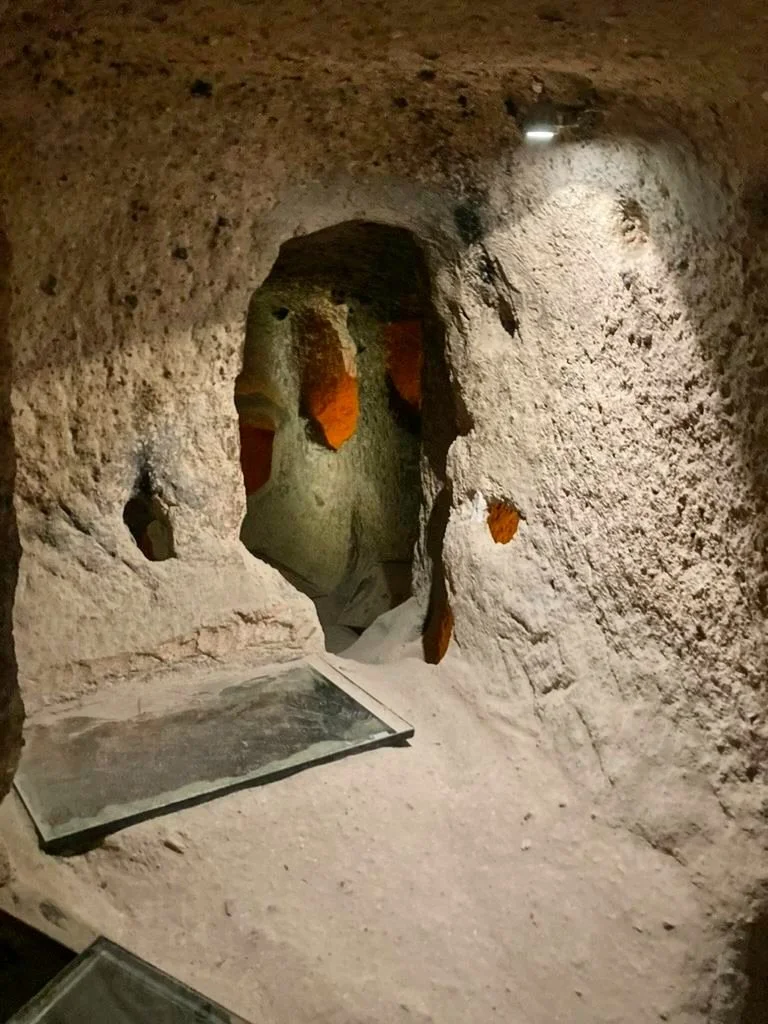
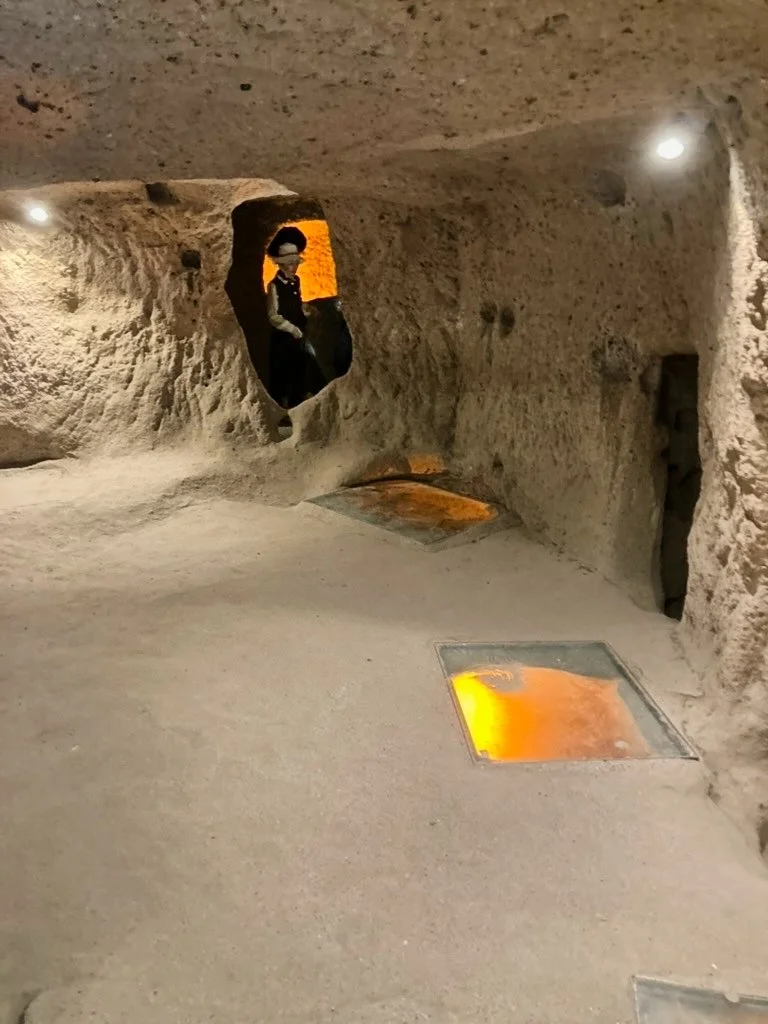
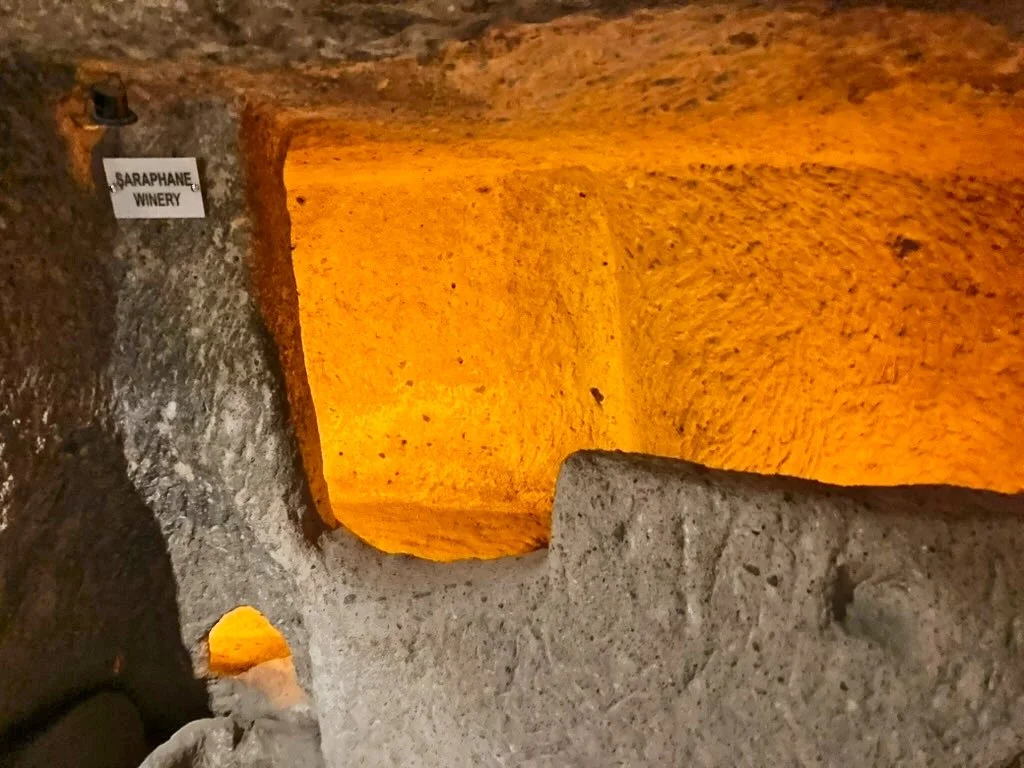
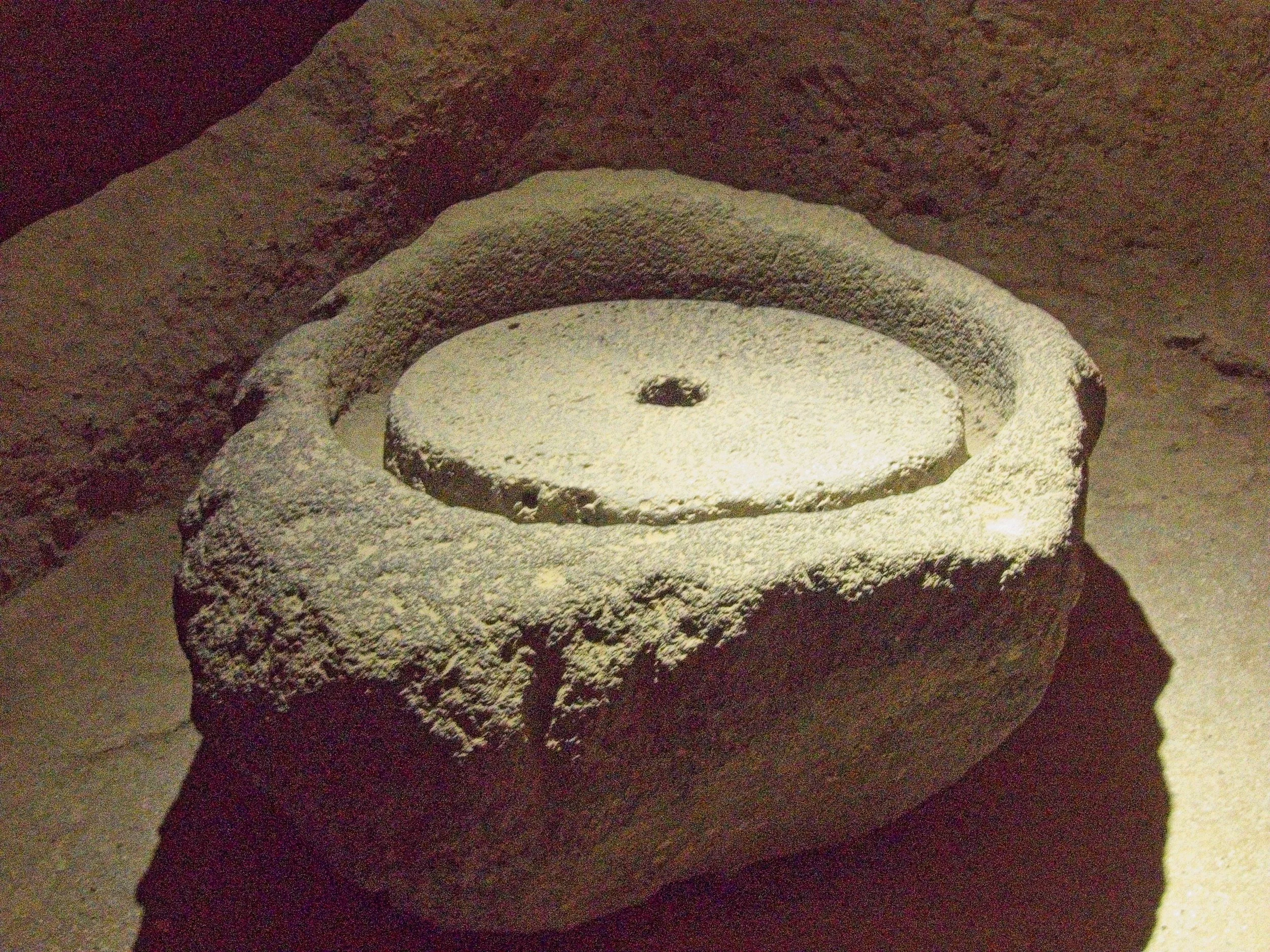
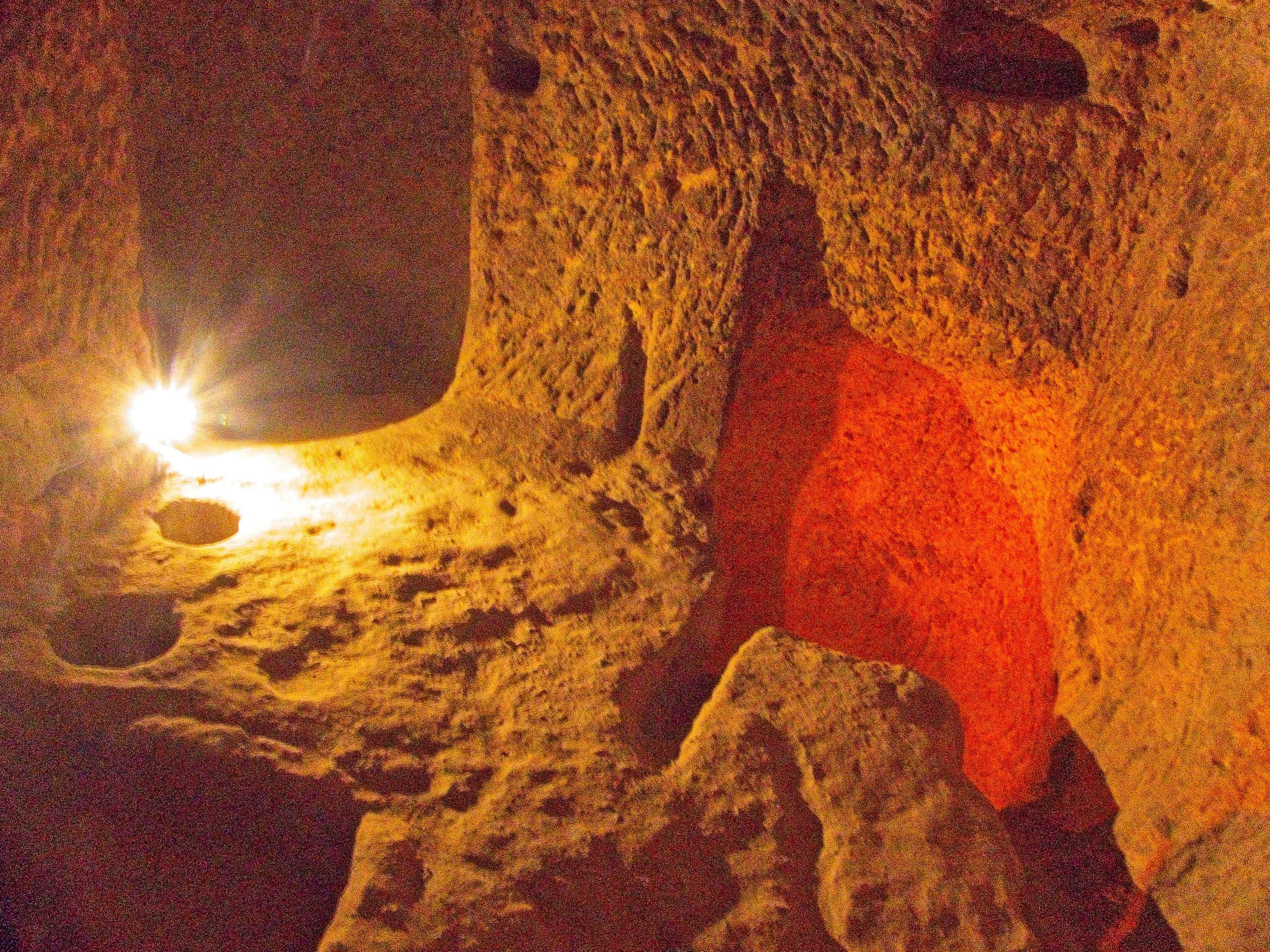
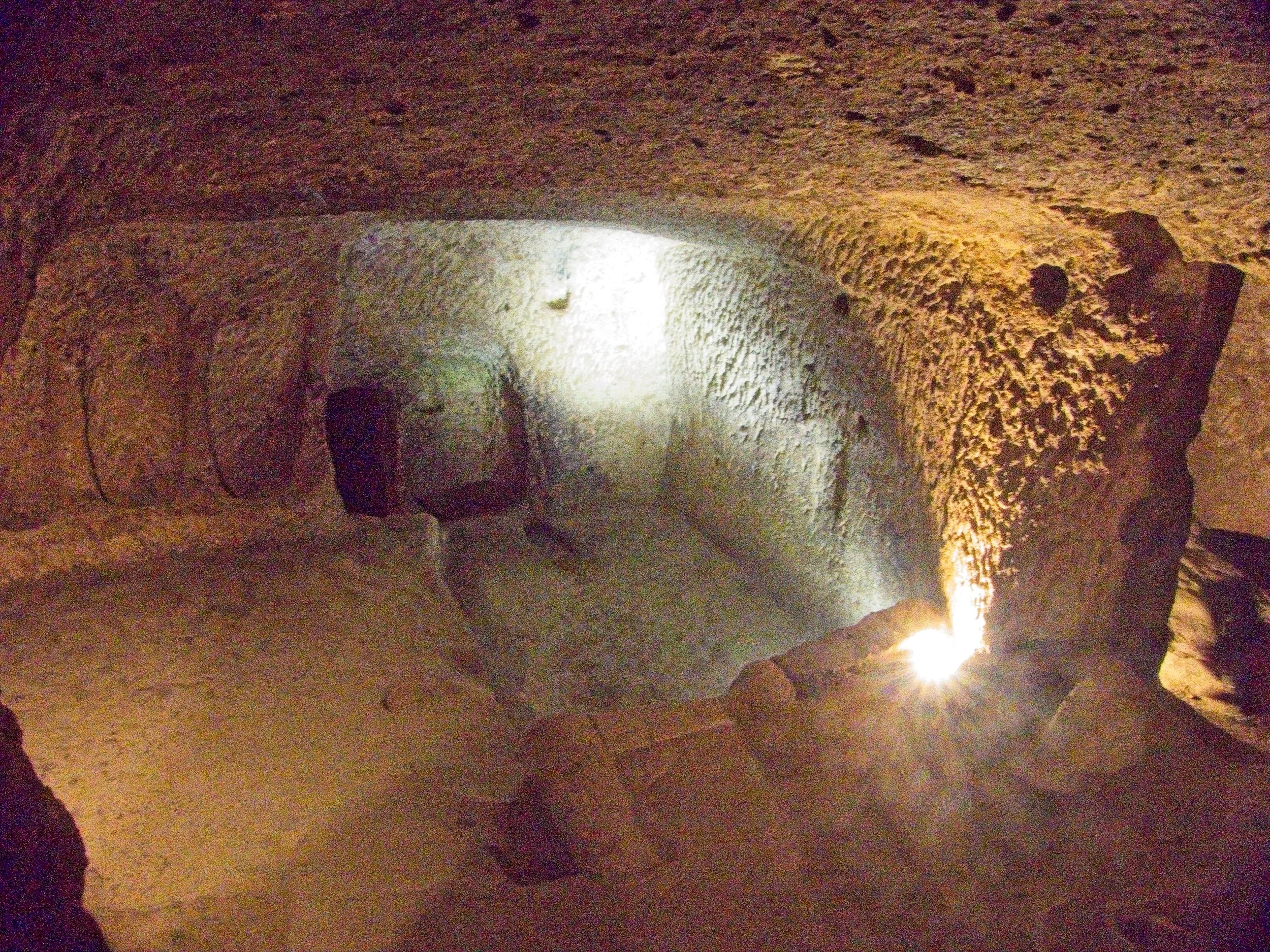
It's a large complex, which is not entirely open to the public; visitors can explore the third level, which mainly comprises storage areas, excellently preserved throughout the centuries.
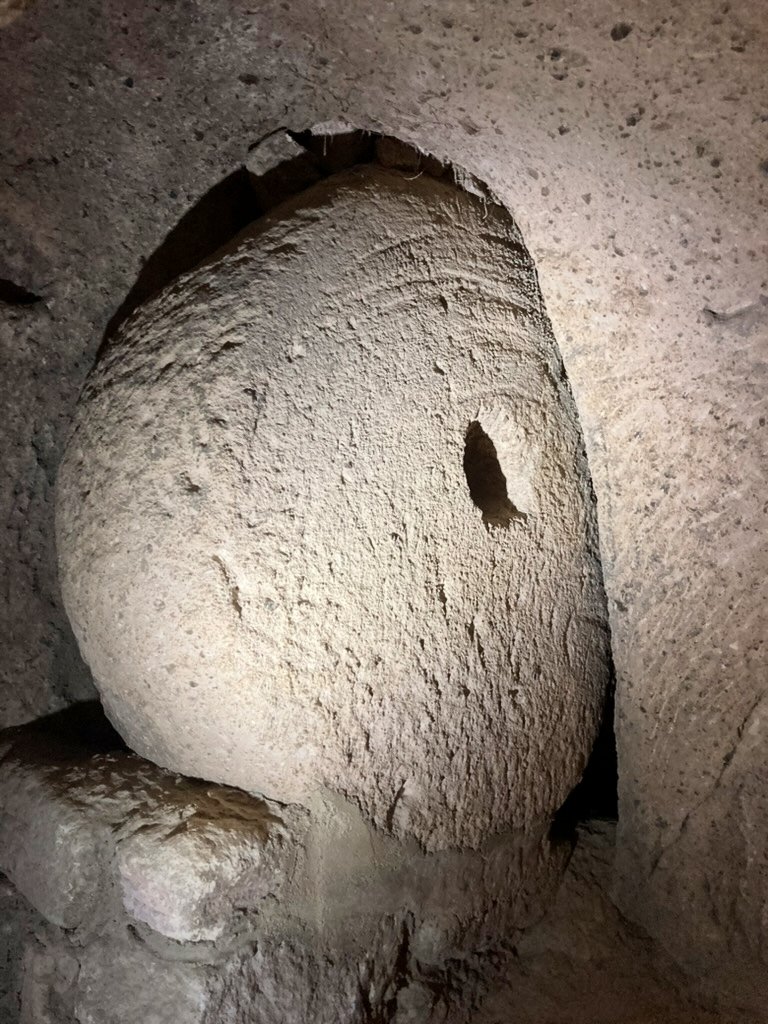
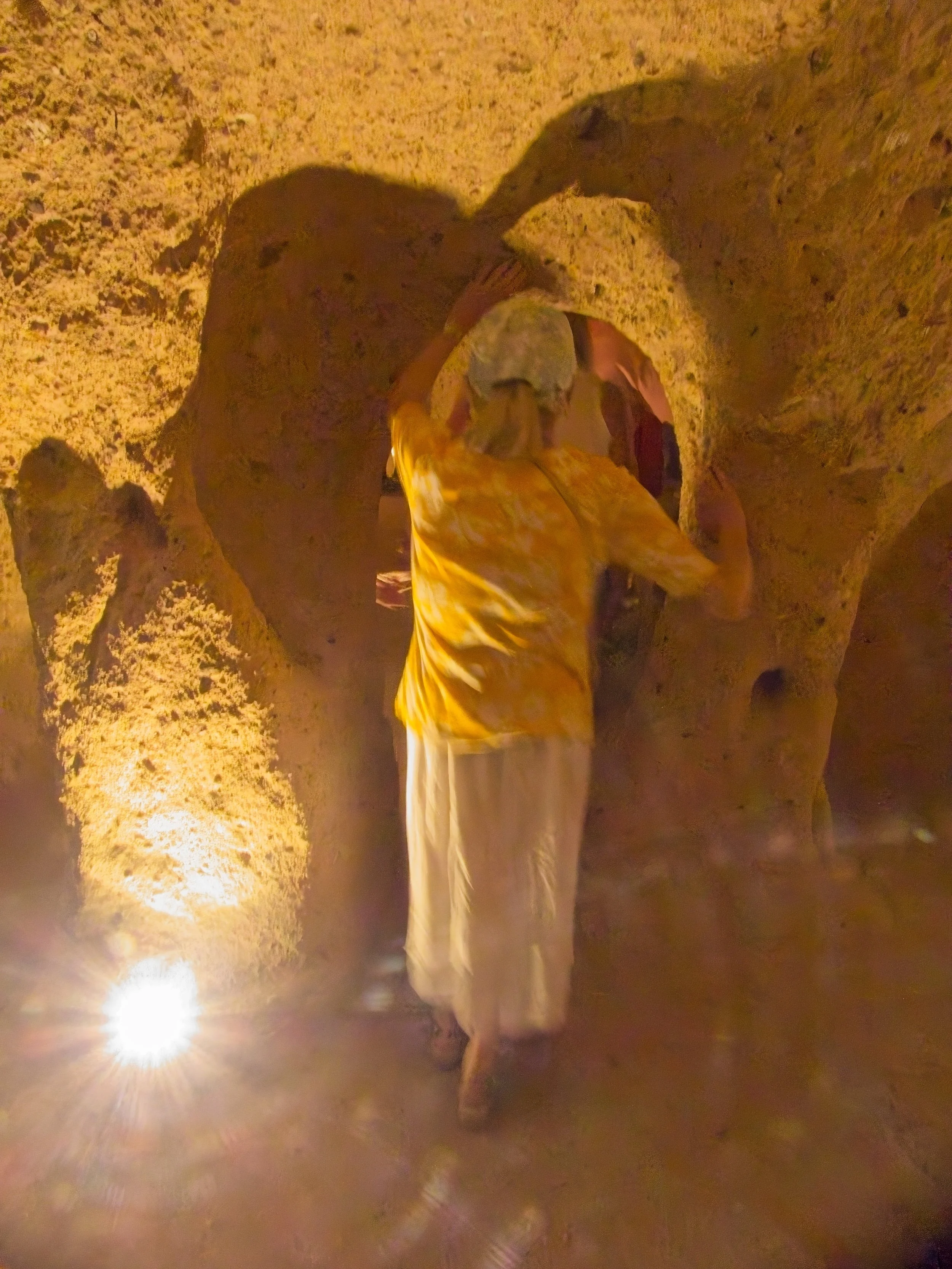
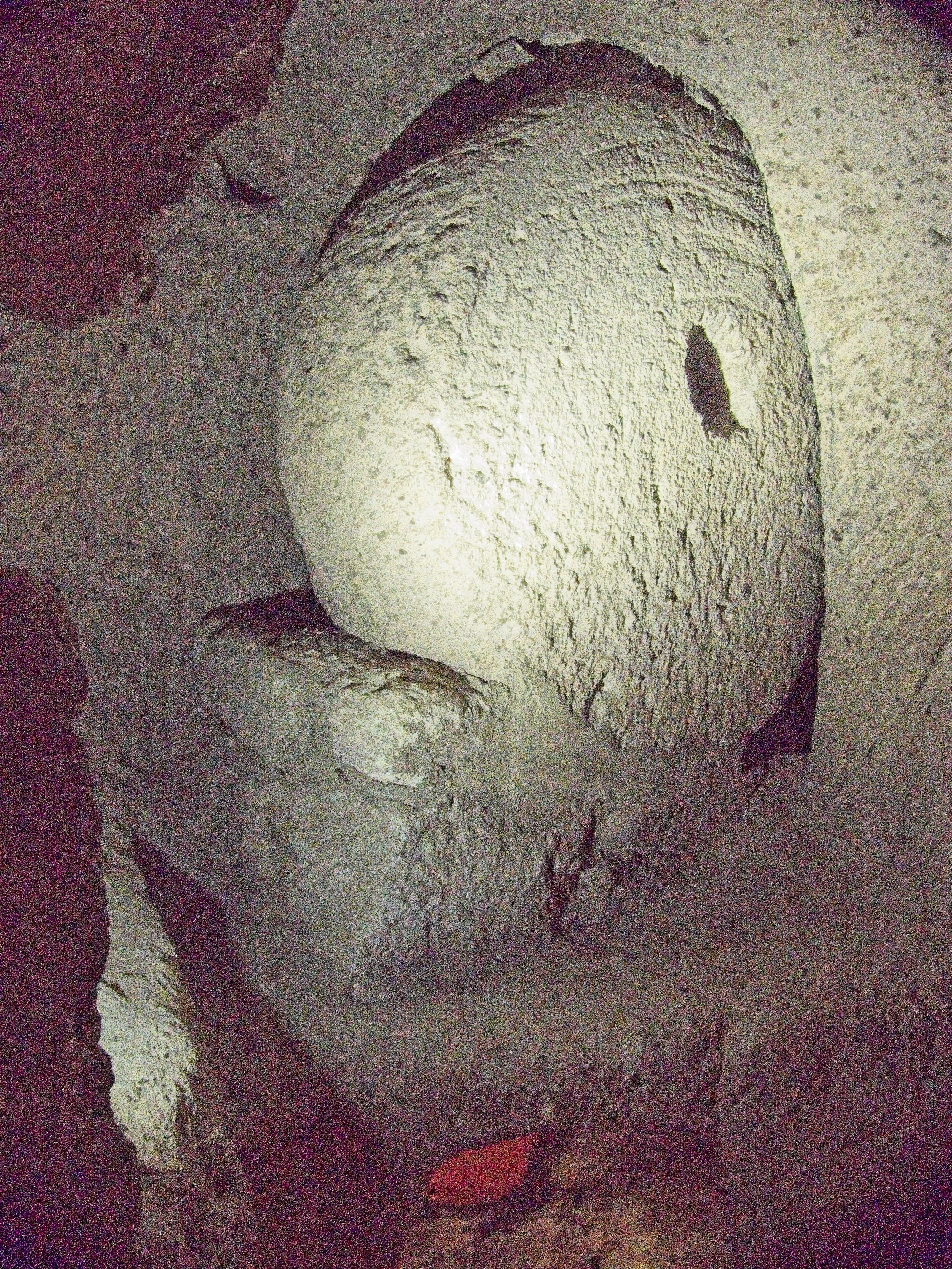
The entire city has more than 100 tunnels that connect numerous rooms, once used for anything from stabling to chapels, now still in use for various storage purposes.
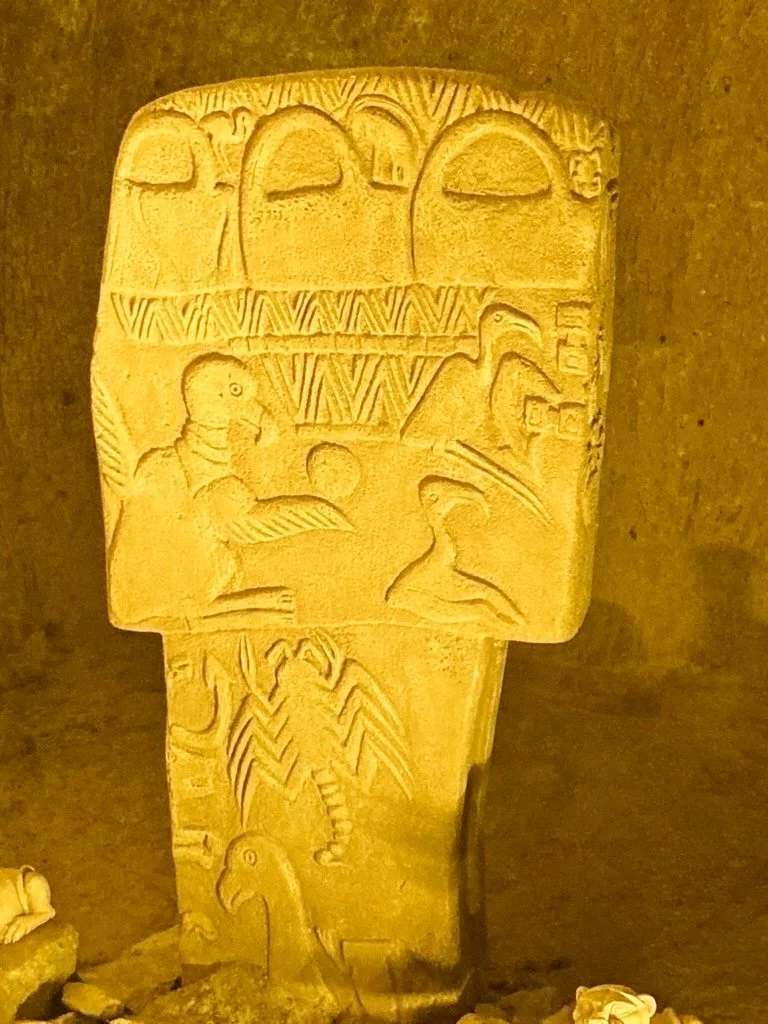
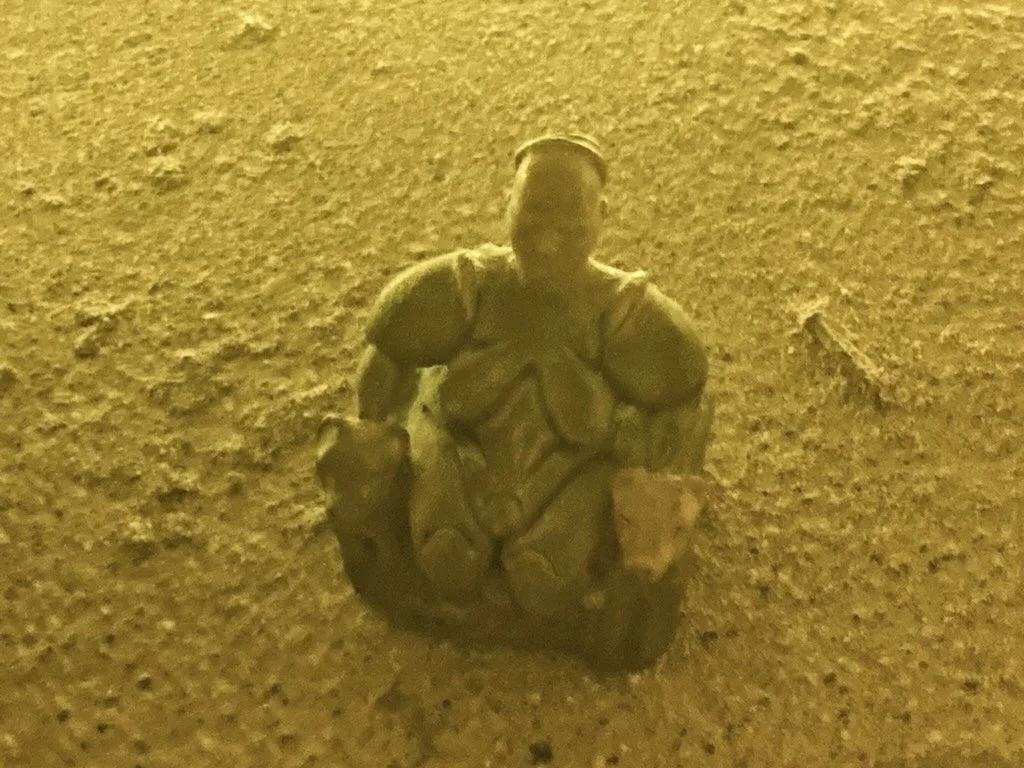
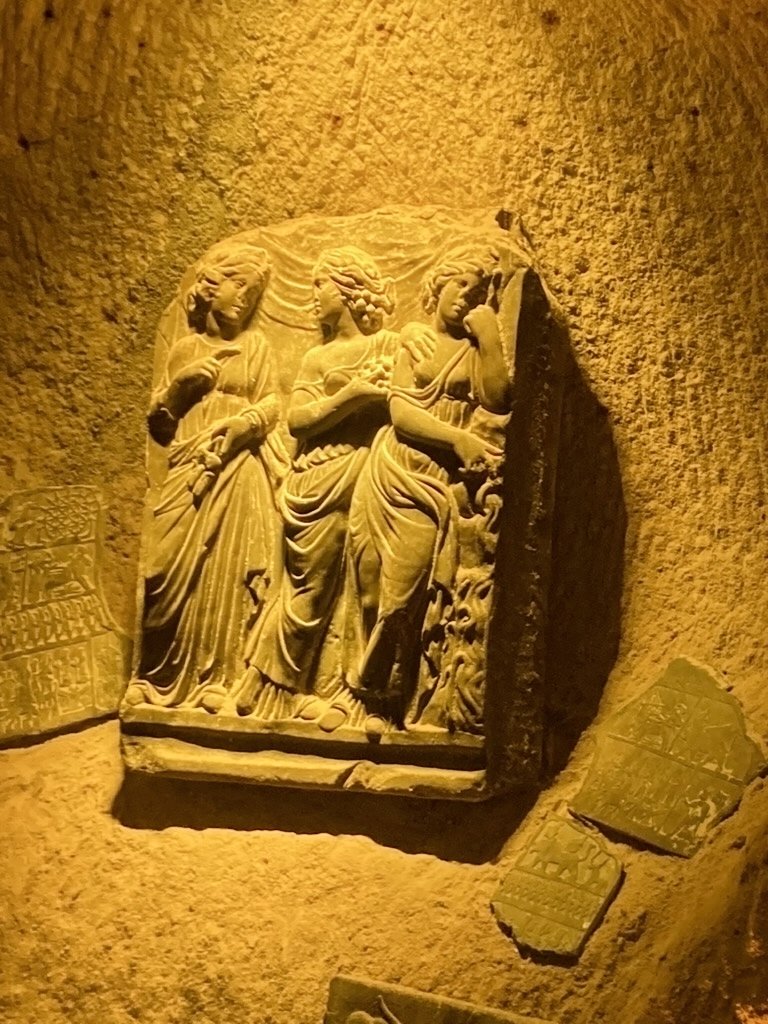
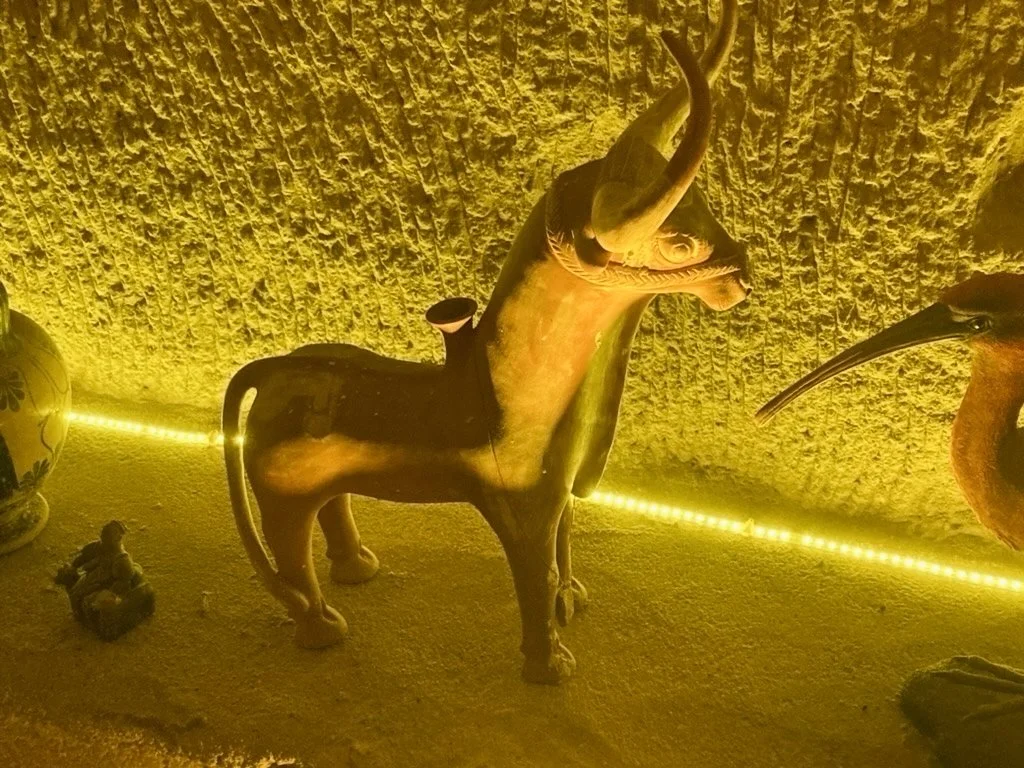
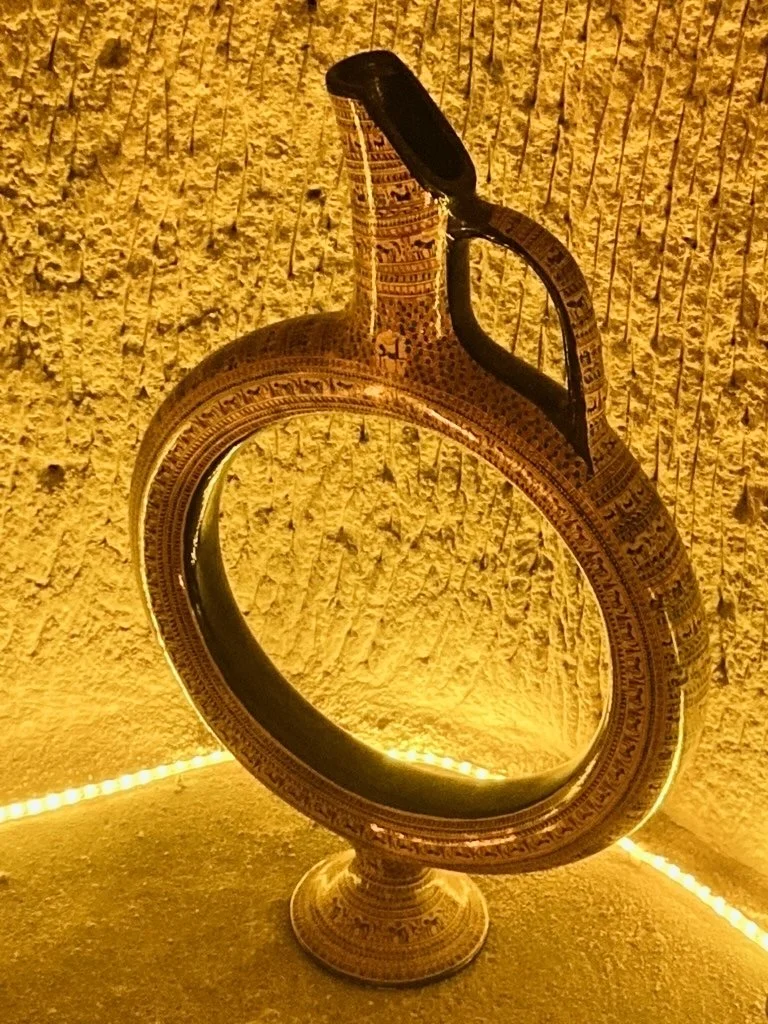
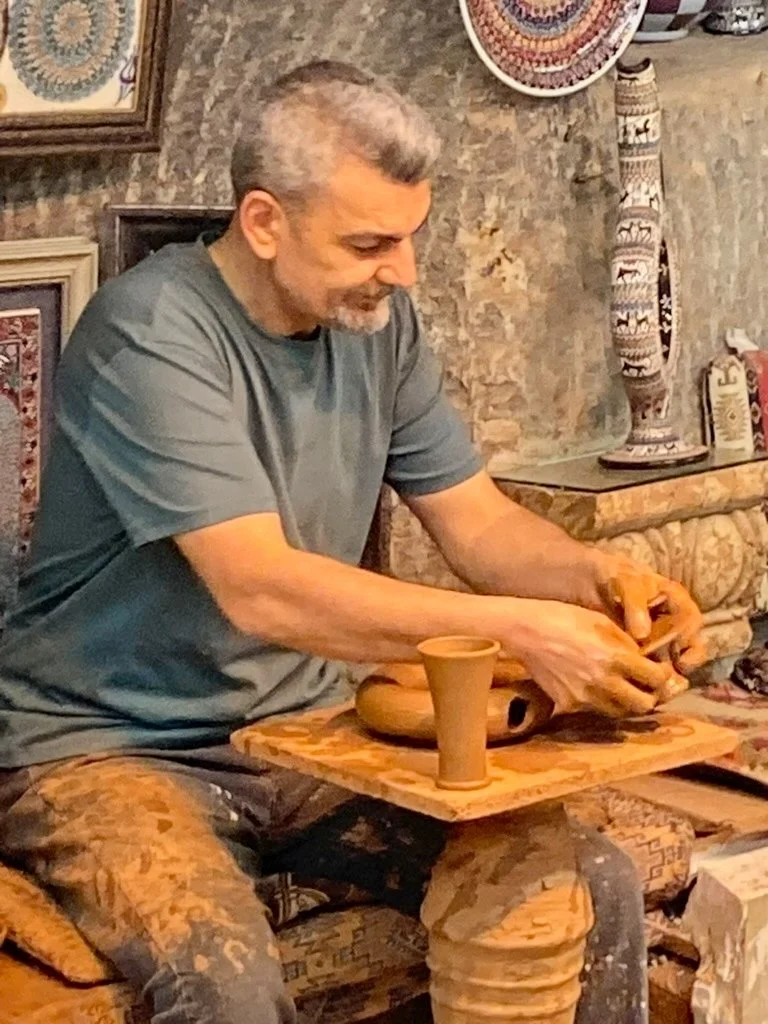
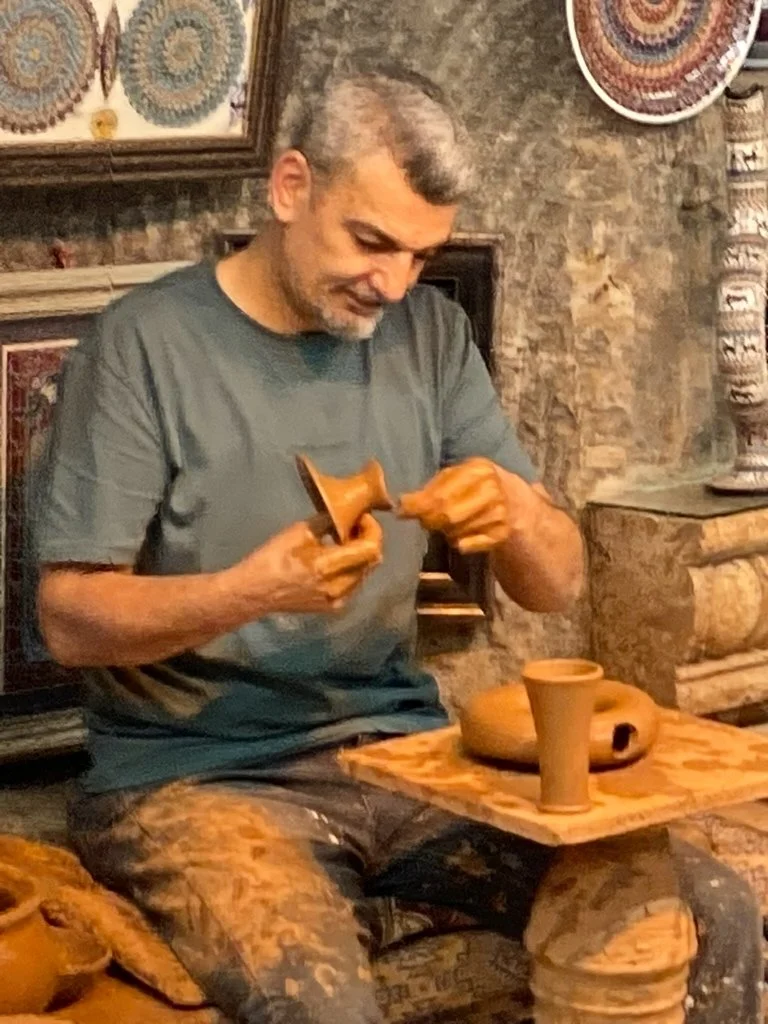
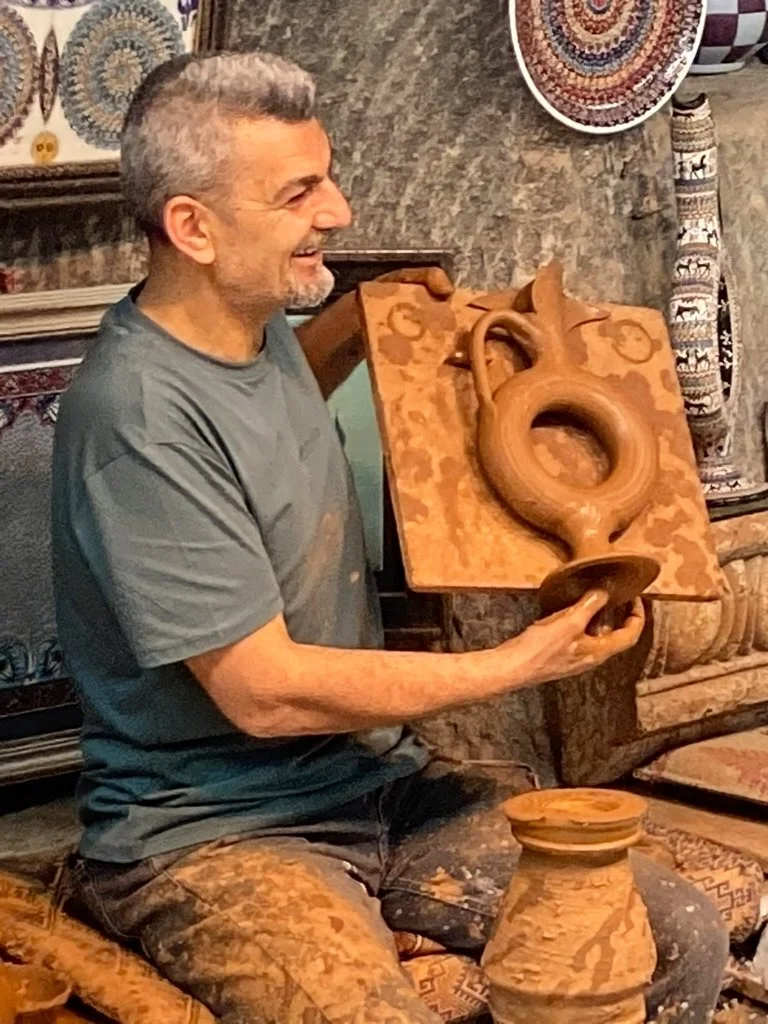
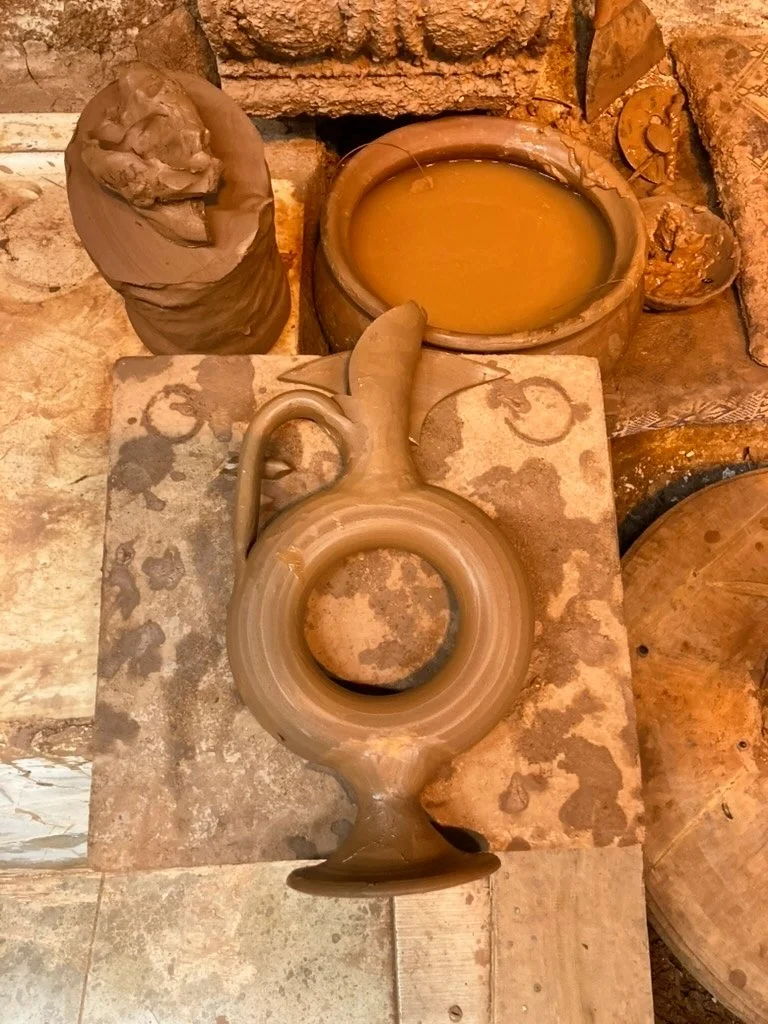
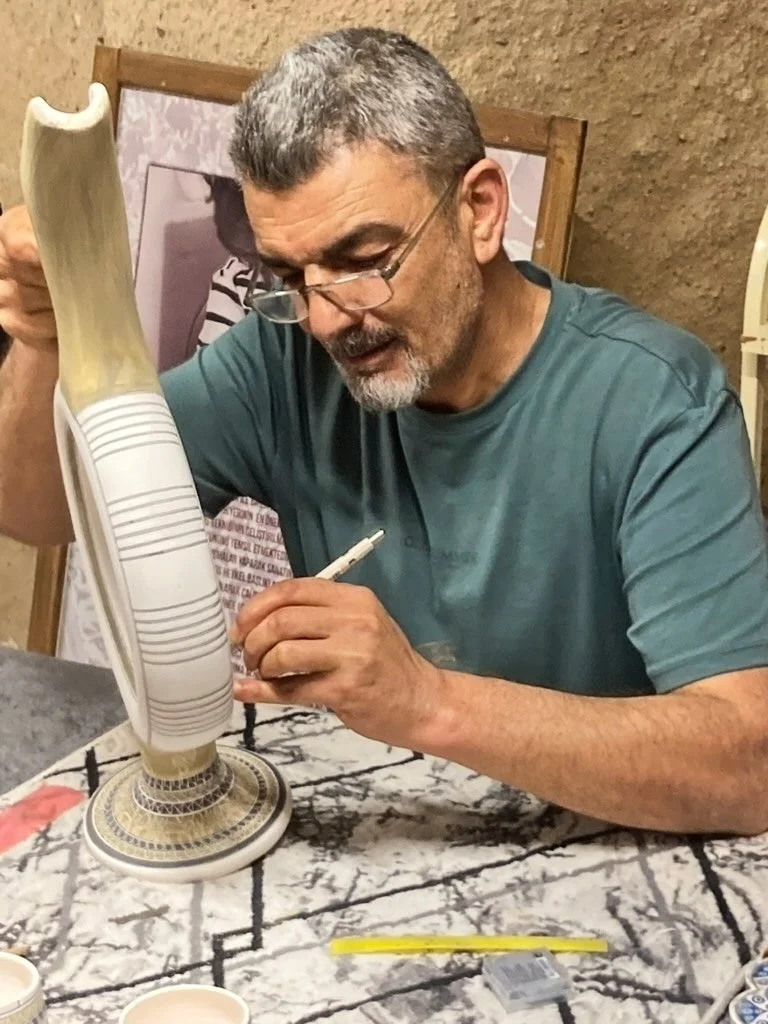
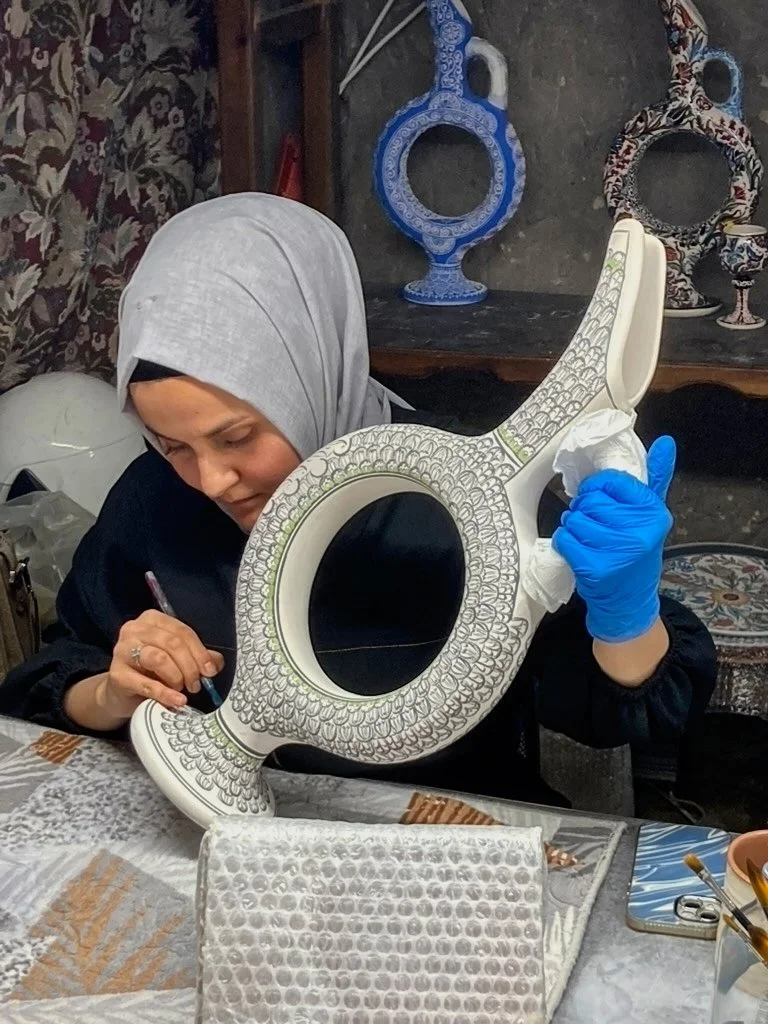
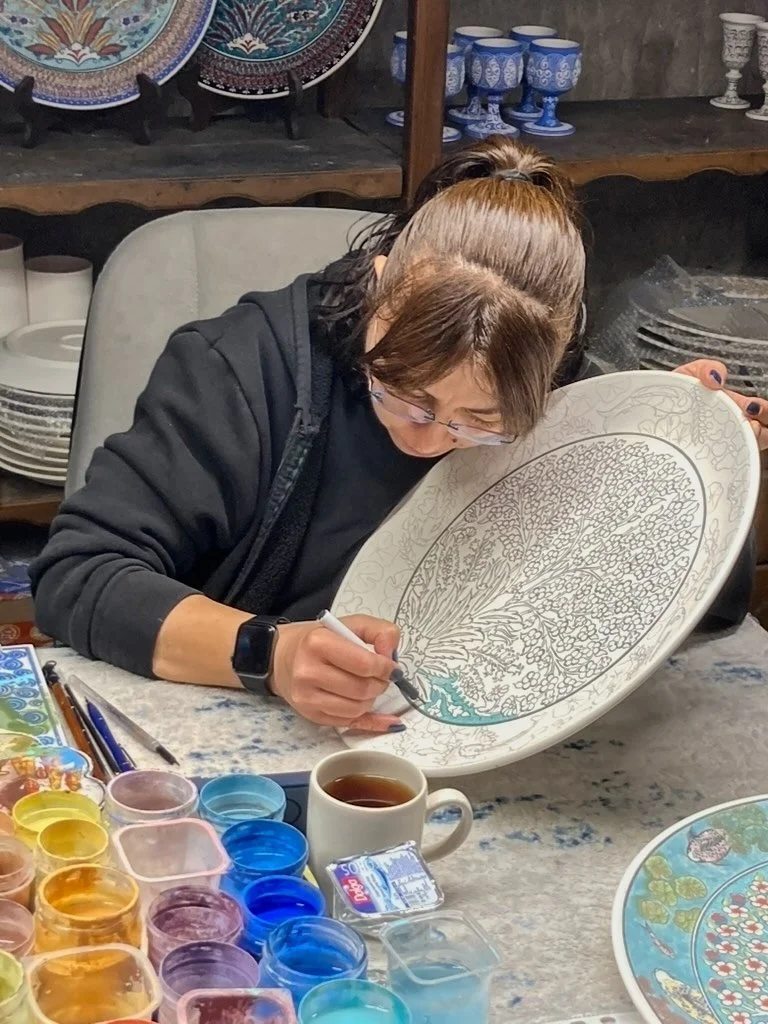
In nearby Avanos we visited a working underground pottery. Avanos is a riverside town on the banks of the Kızılırmak (Red River) — Turkey's longest river. For over 4,000 years, potters in Avanos have harvested the distinctive red clay from the riverbanks and transformed it into ceramics. The tradition is unbroken: Hittite potters worked this same clay in 2000 BC, and their descendants still shape it on hand-powered wheels today.
Avanos pottery is distinctive for several reasons. The red clay is naturally smooth and fine-grained, making it ideal for wheel-throwing. Many workshops still use traditional hand-powered kick wheels rather than electric ones, and the techniques passed down through families remain remarkably similar to ancient methods.
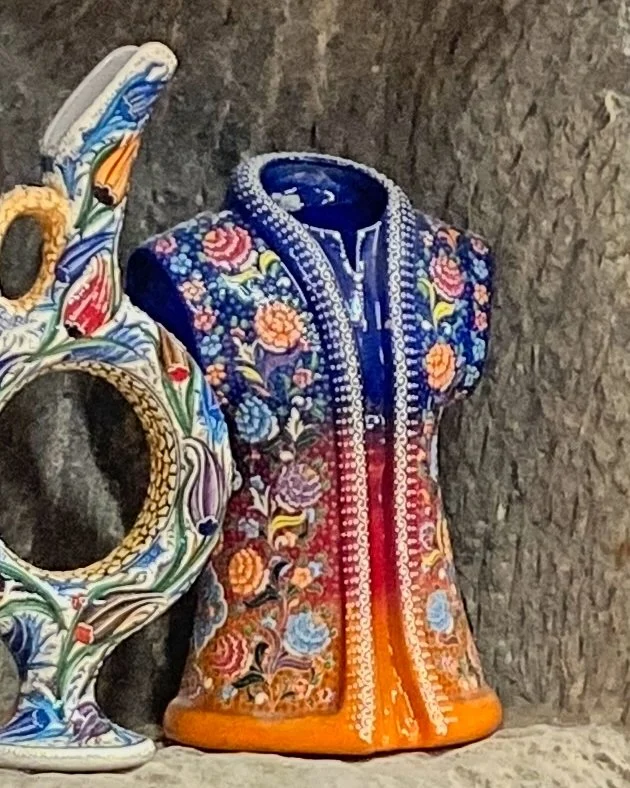
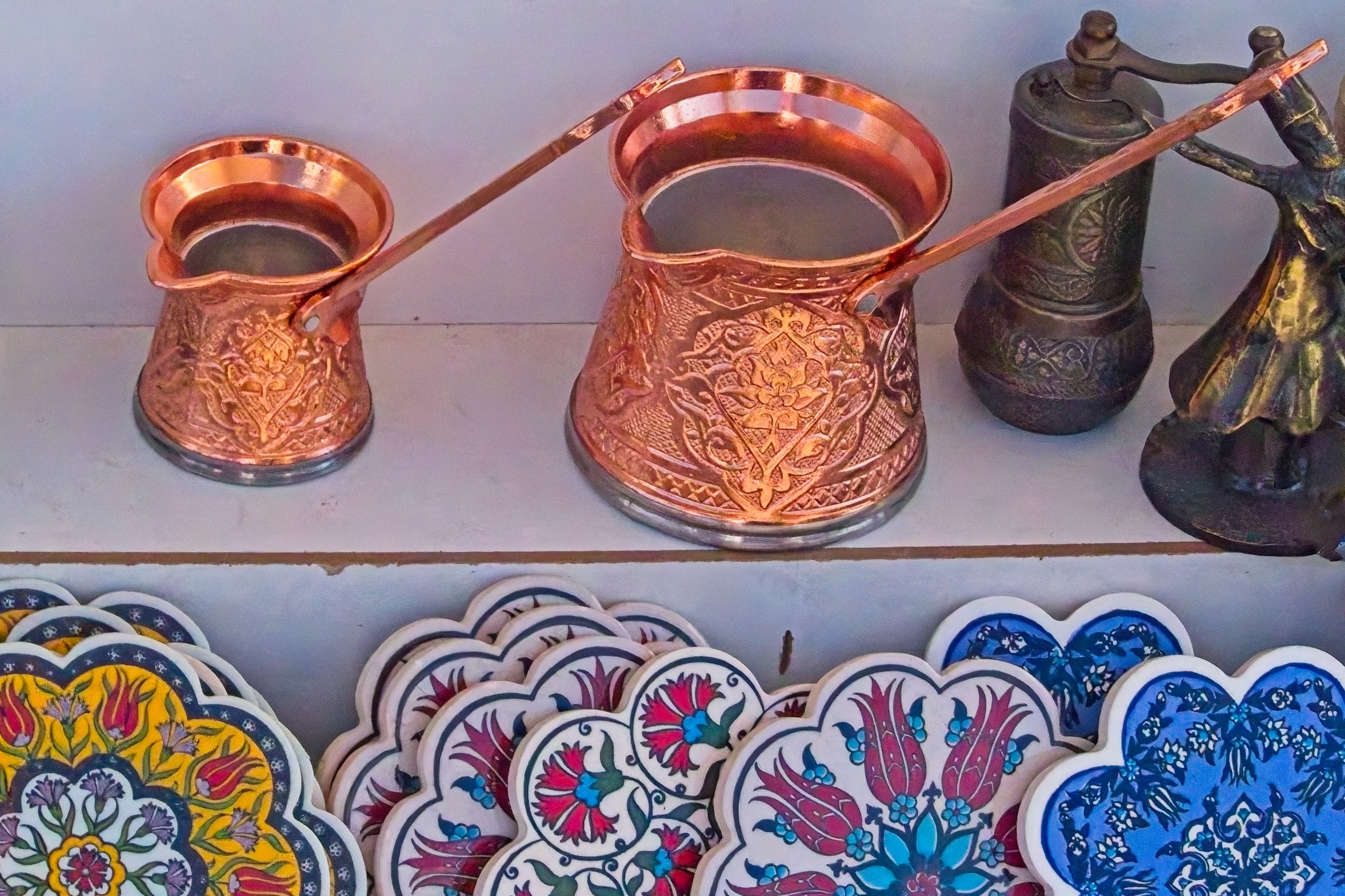
The finished pieces range from simple utilitarian ware — cooking pots, water jugs, and storage jars — to elaborate decorative pieces with Seljuk and Ottoman-inspired geometric patterns. Some workshops also produce tiles inspired by the famous İznik tile tradition, decorated with intricate floral and geometric motifs in cobalt blue, turquoise, and red.