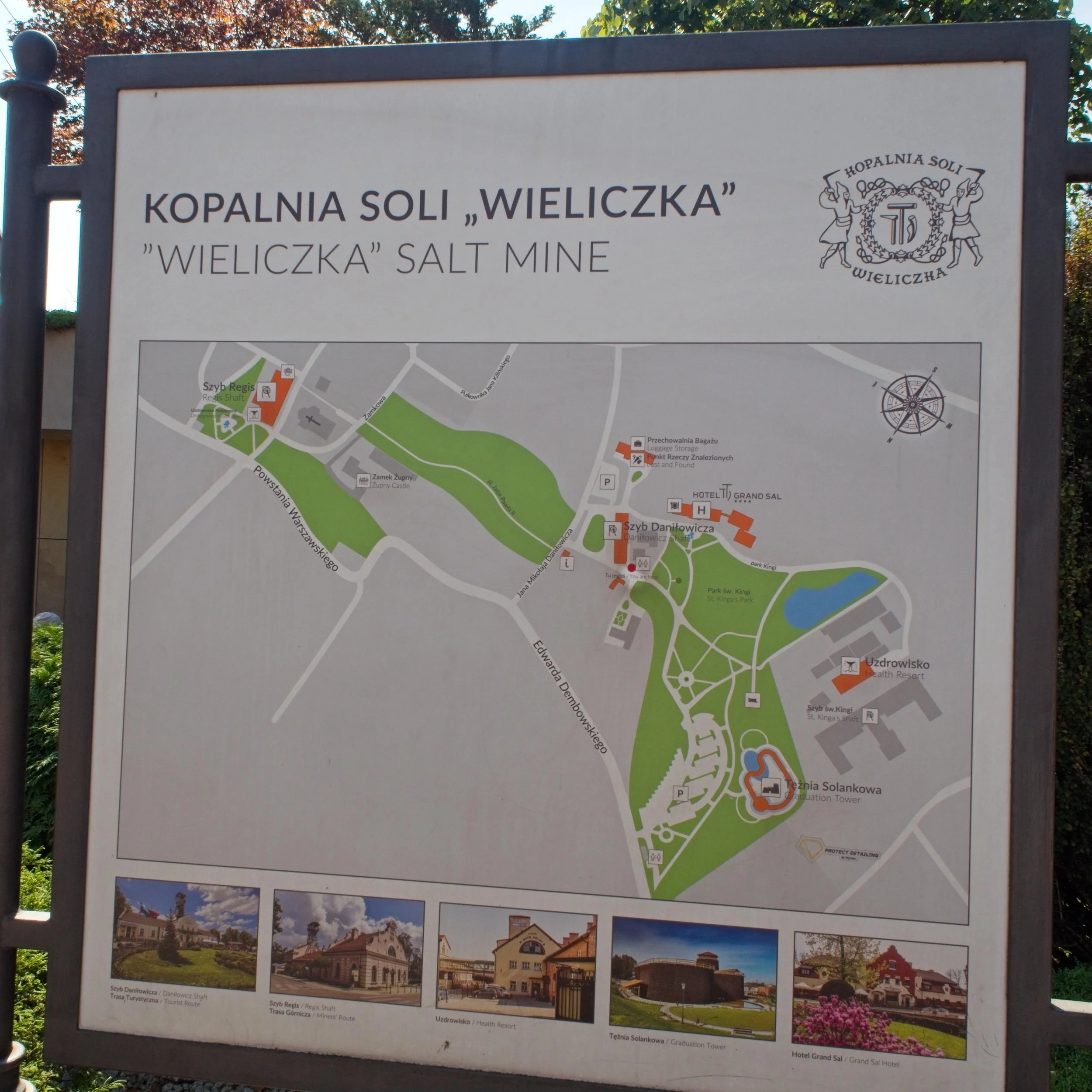
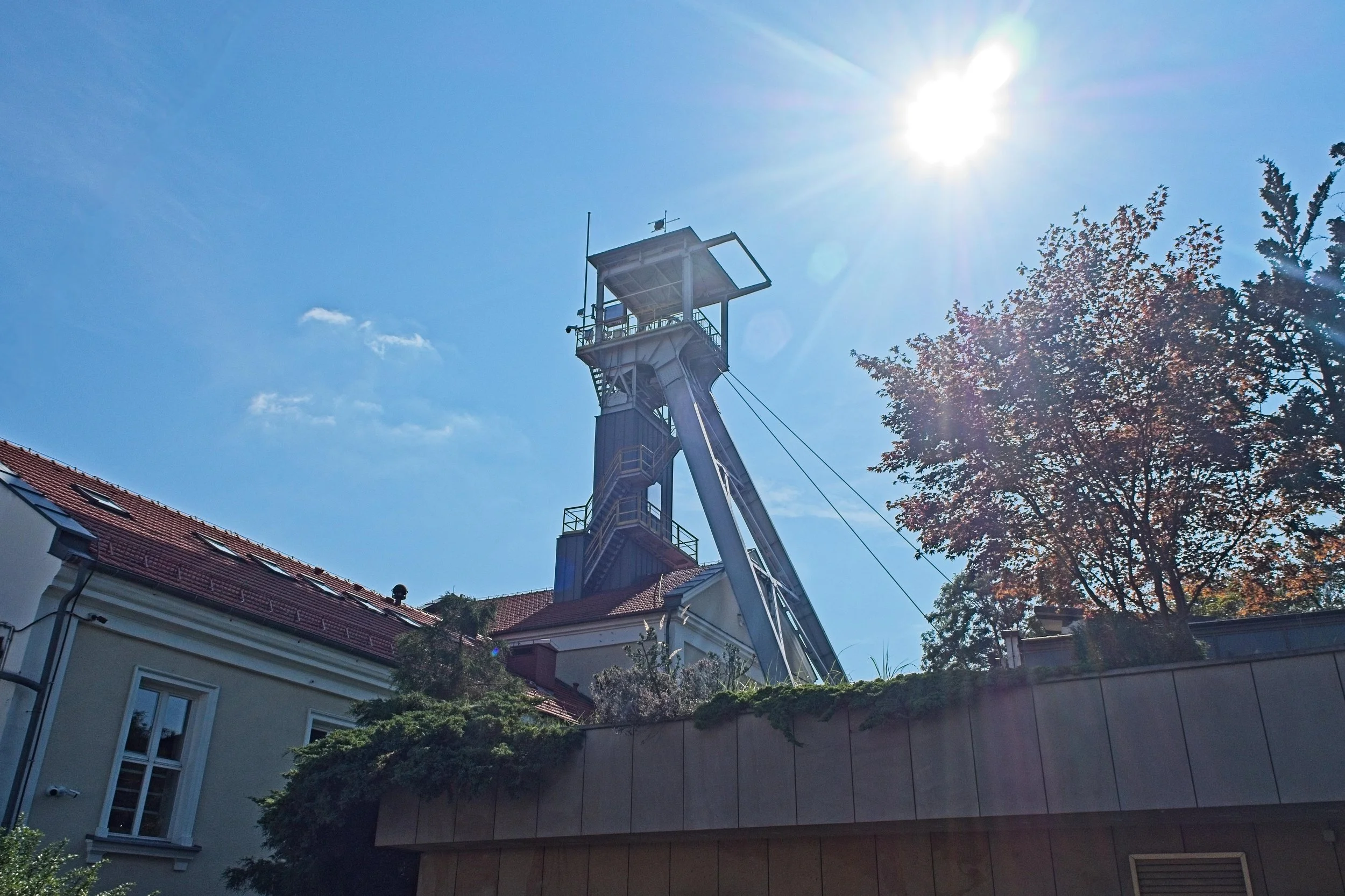
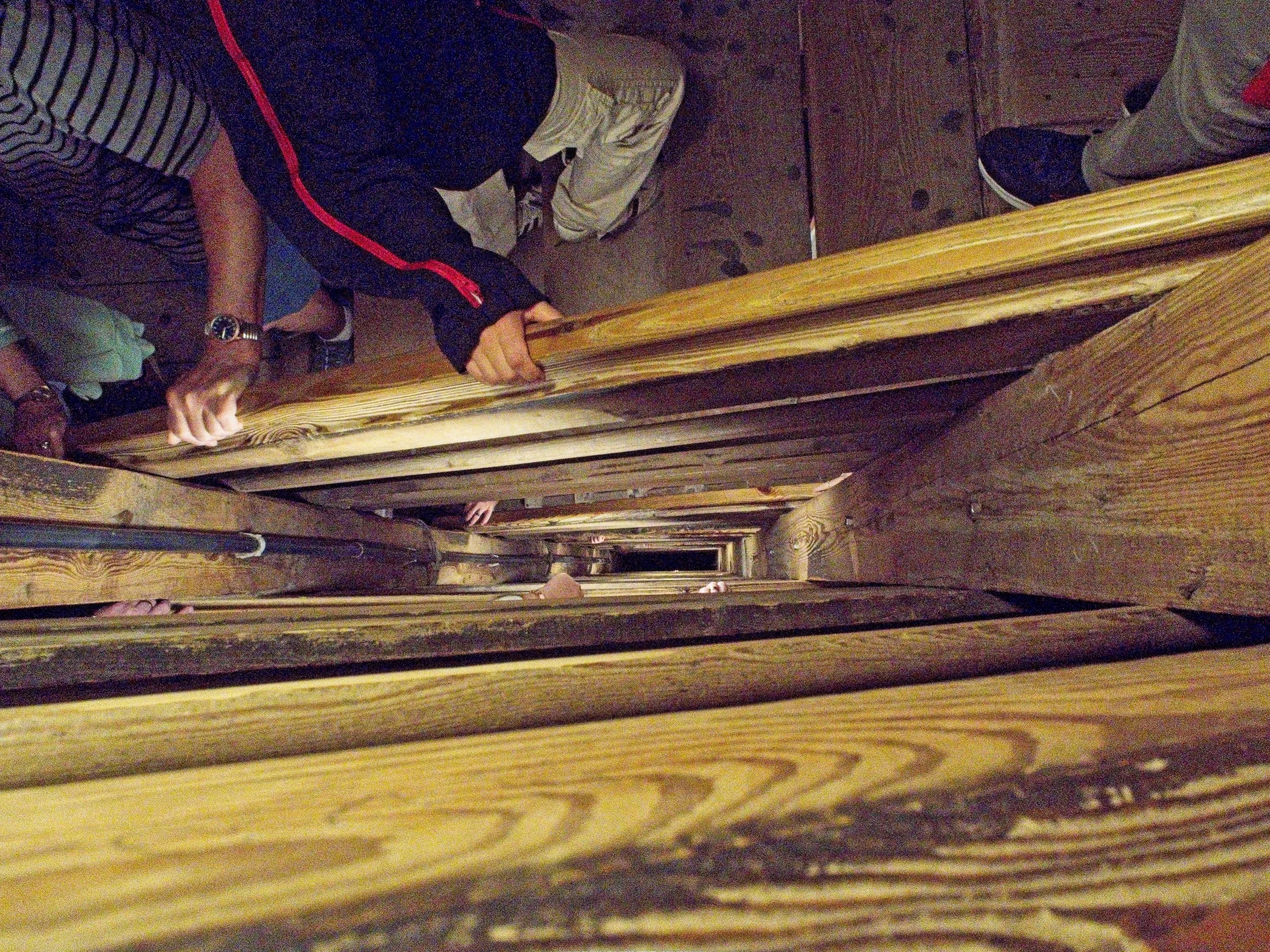
Wieliczka Salt Mine
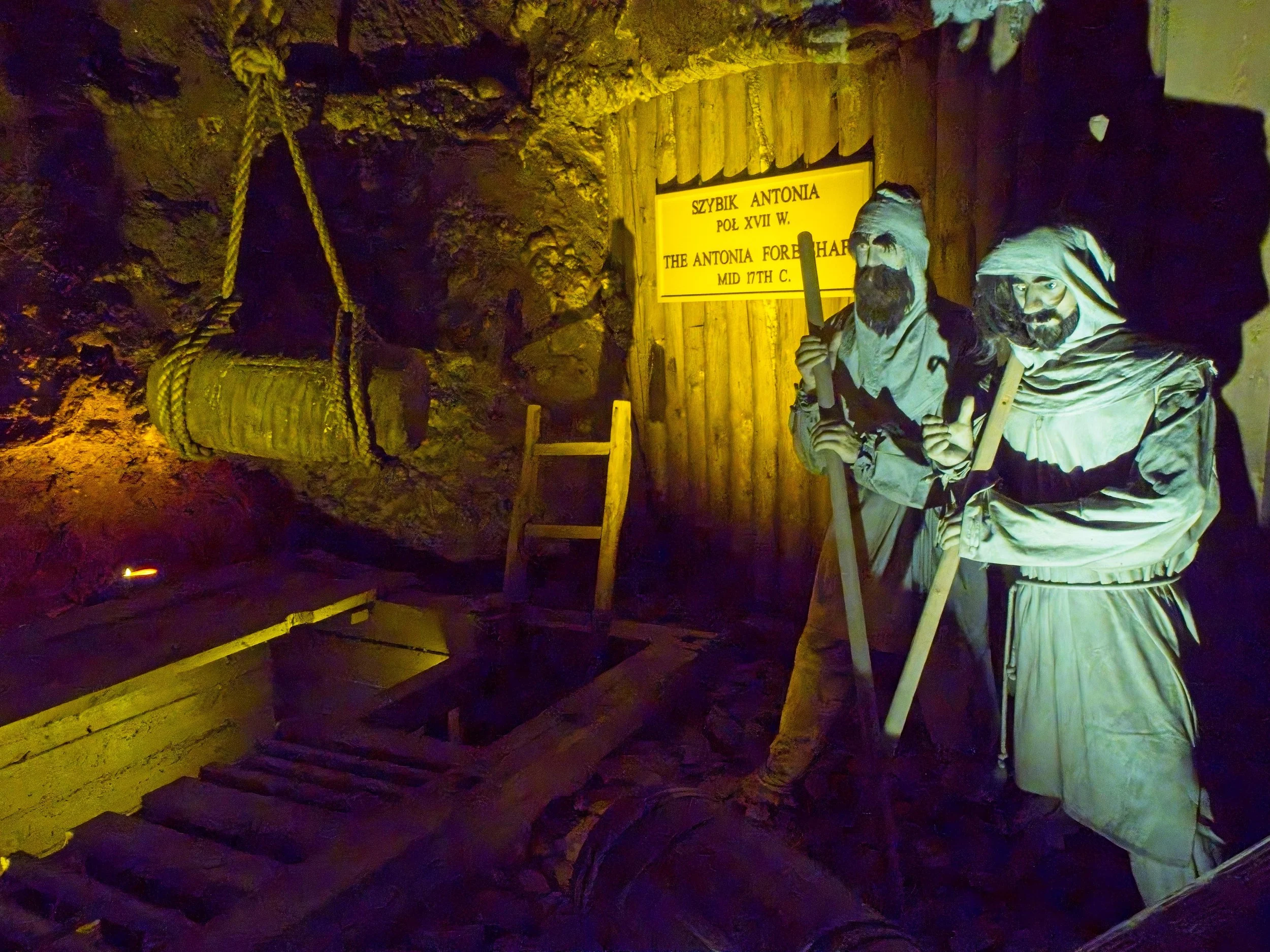
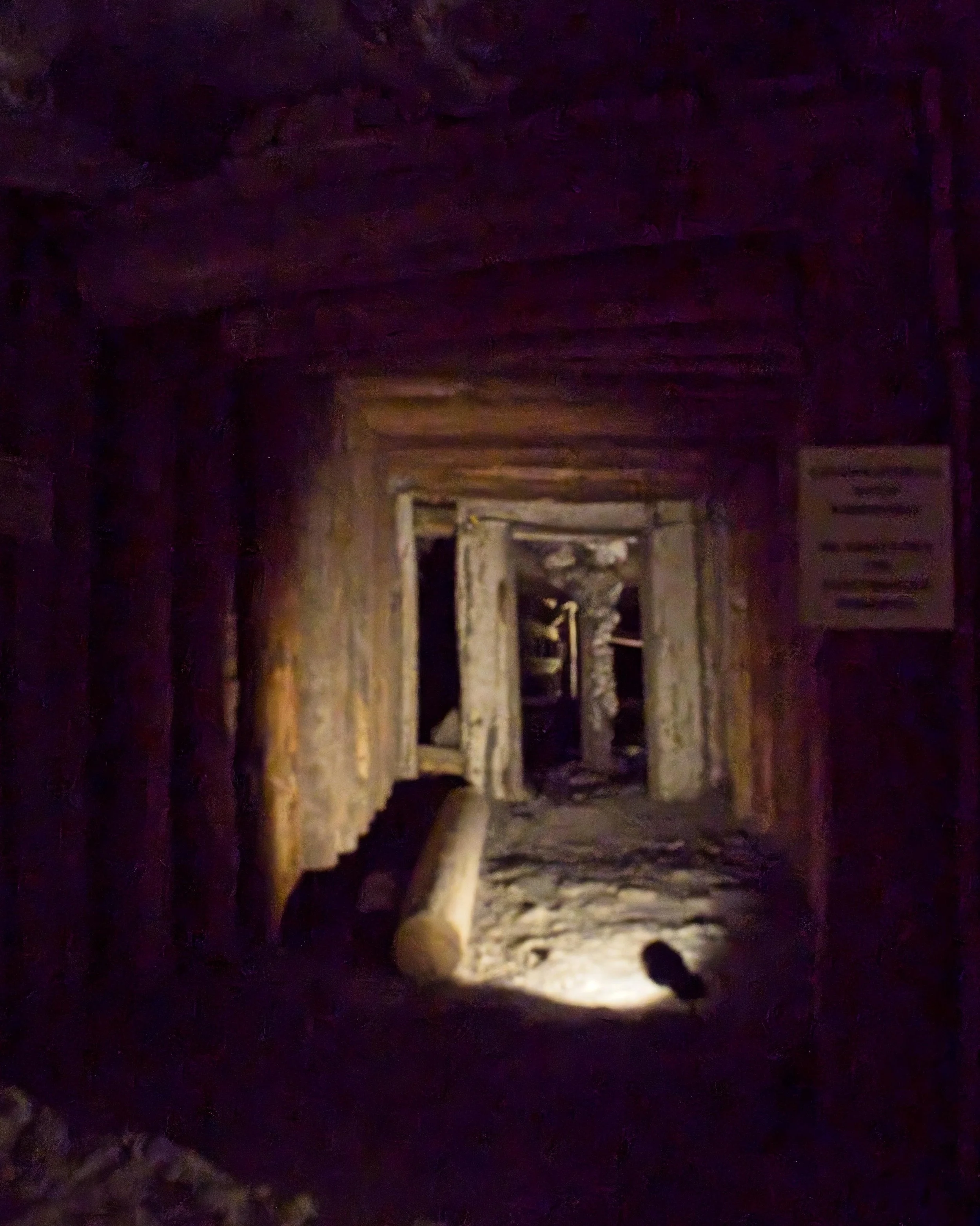
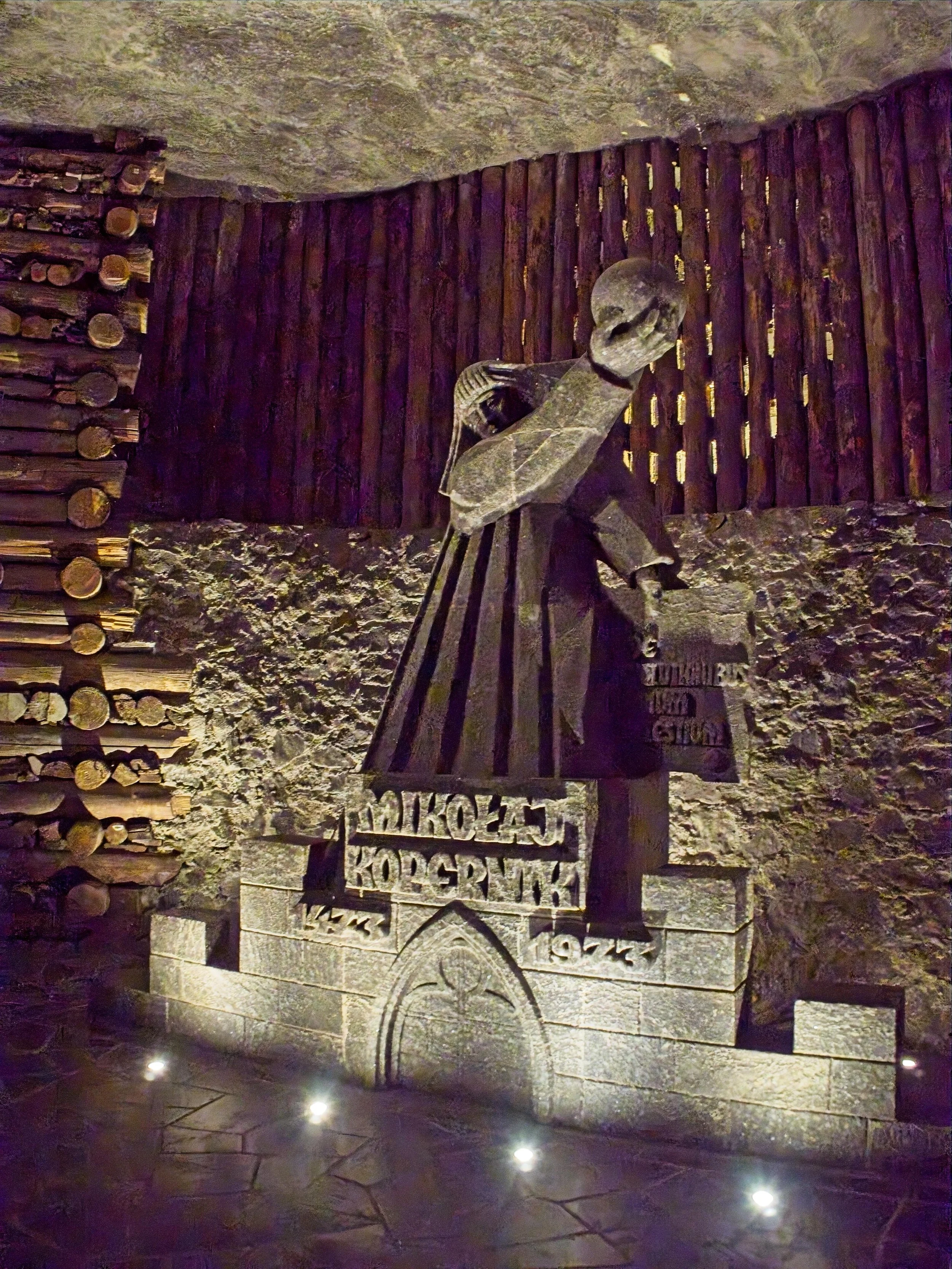
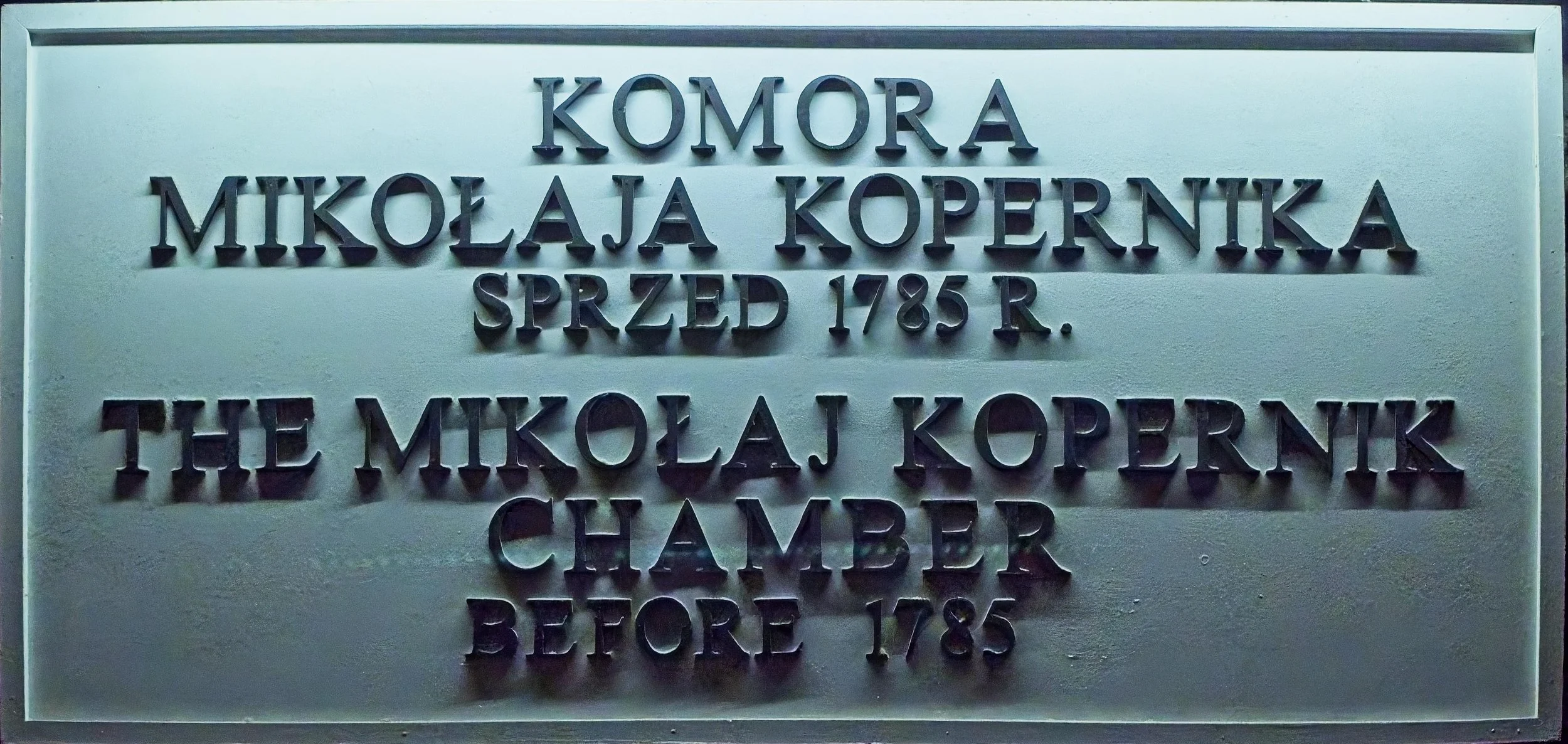
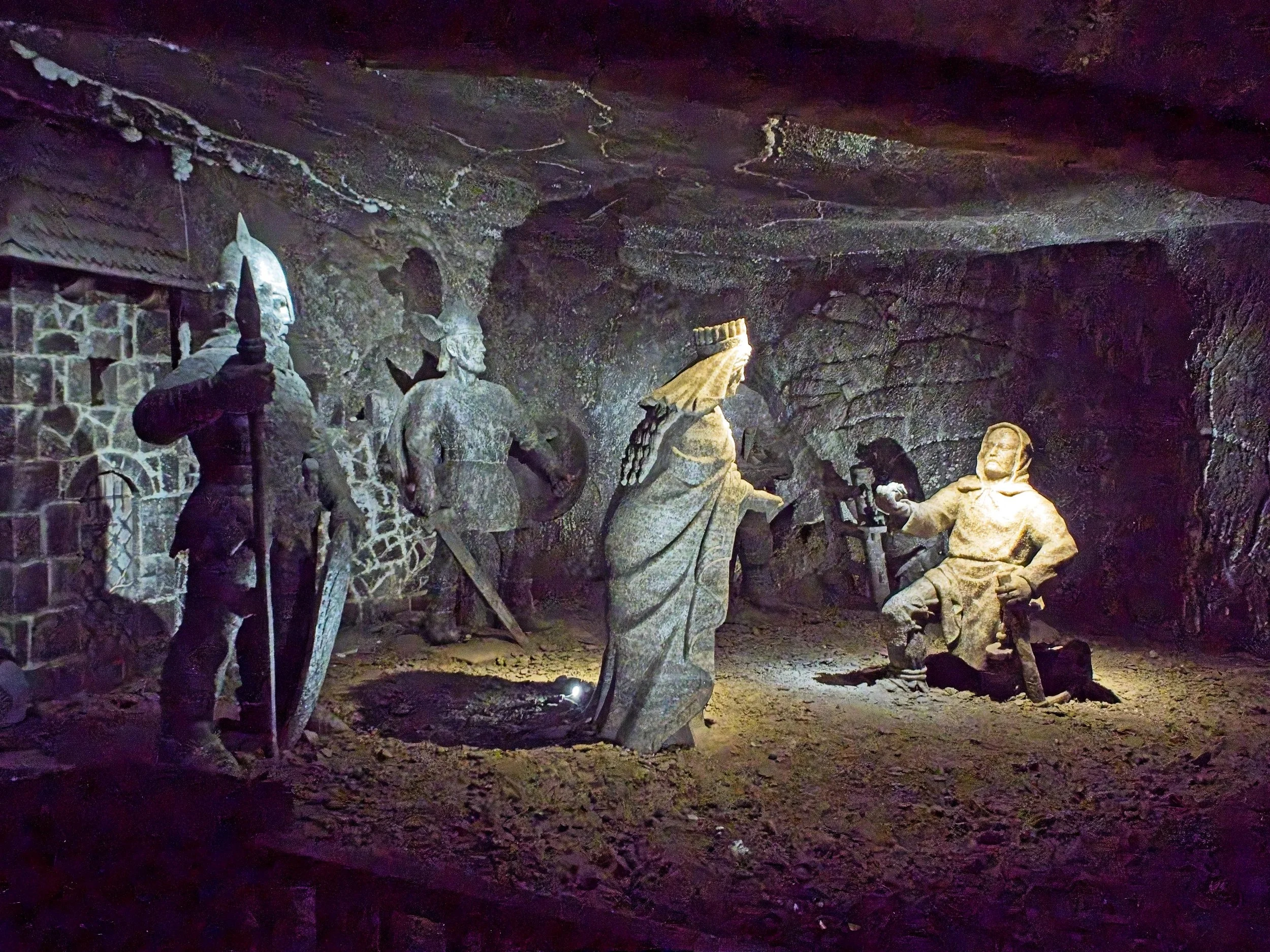
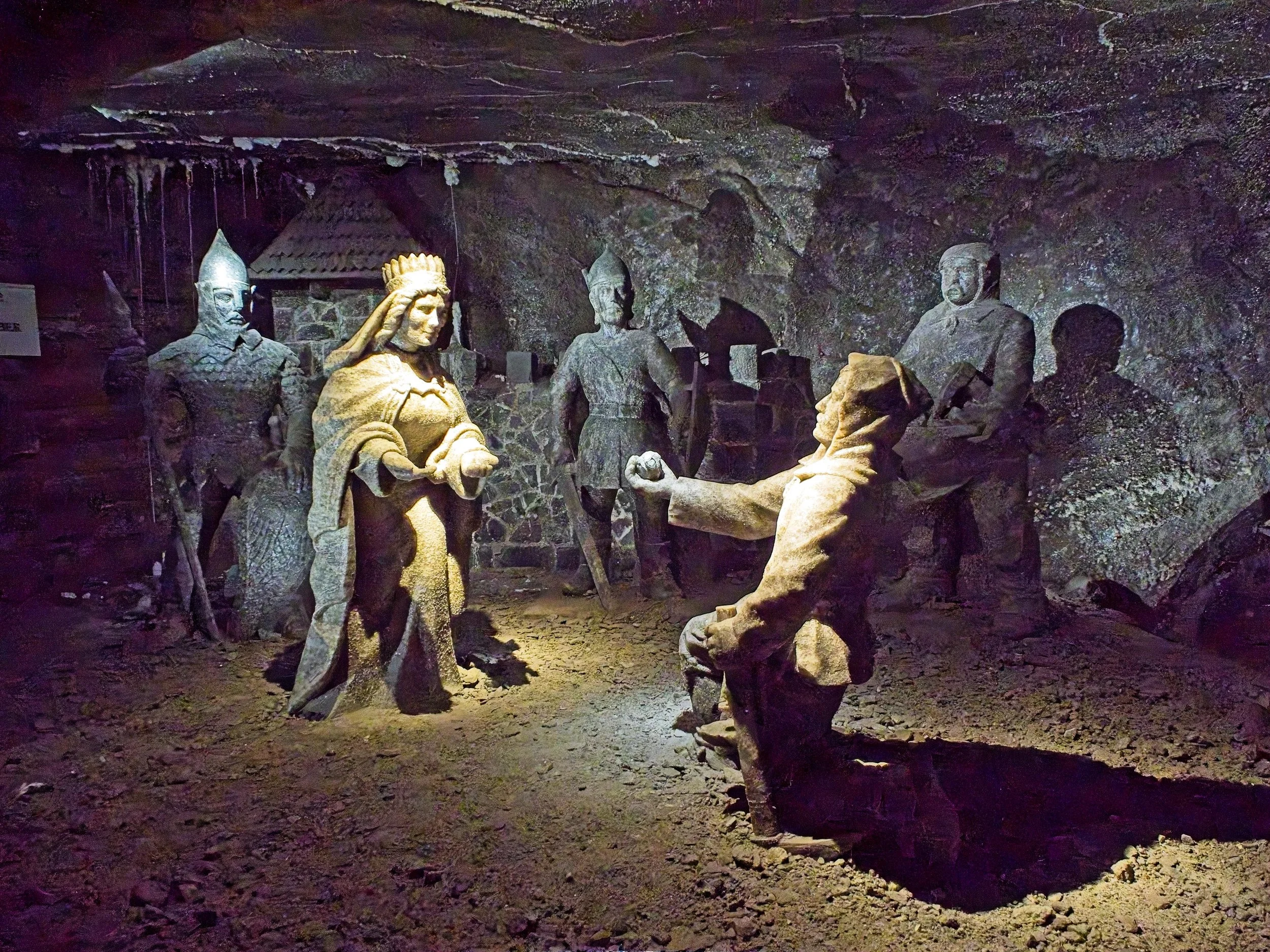
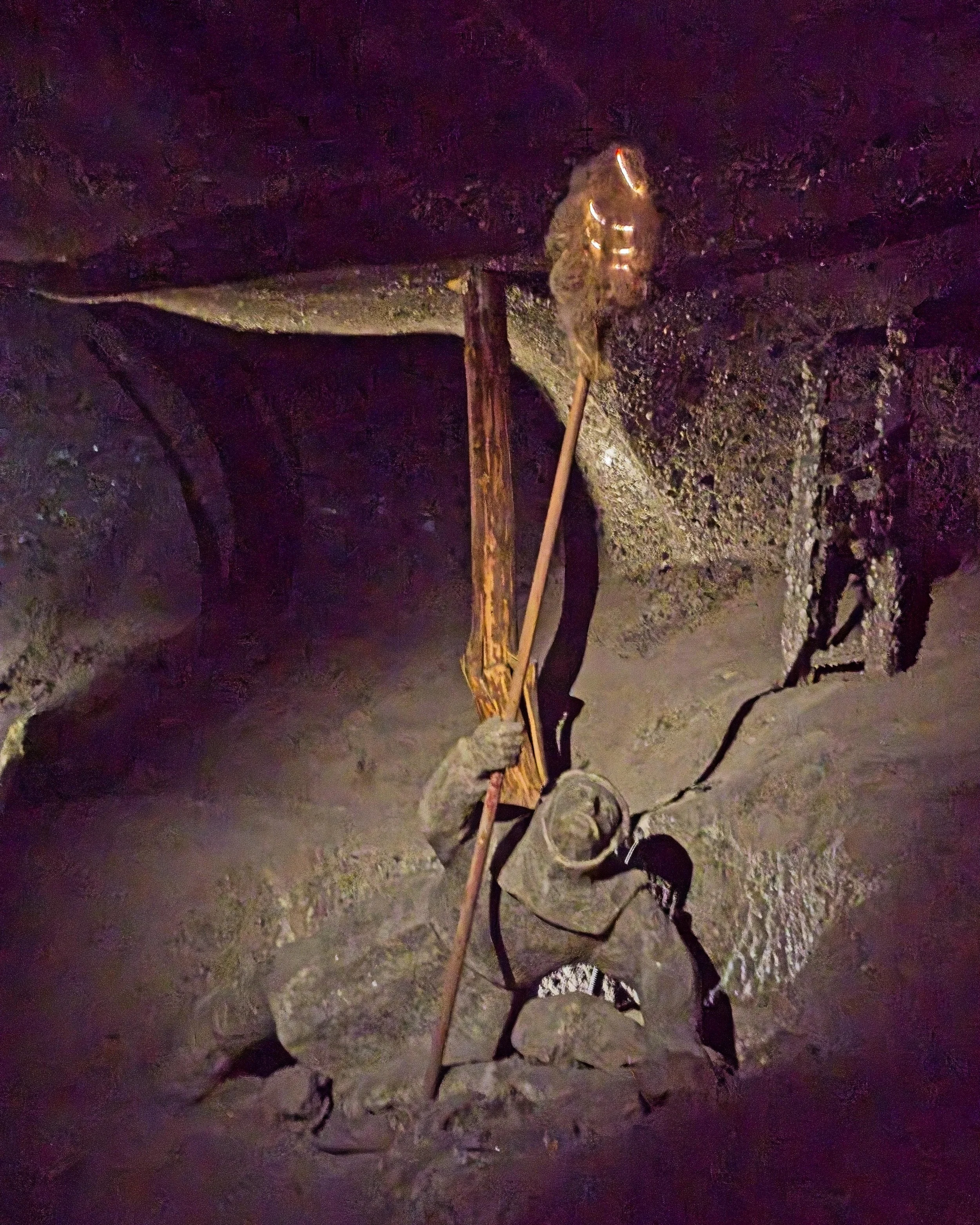
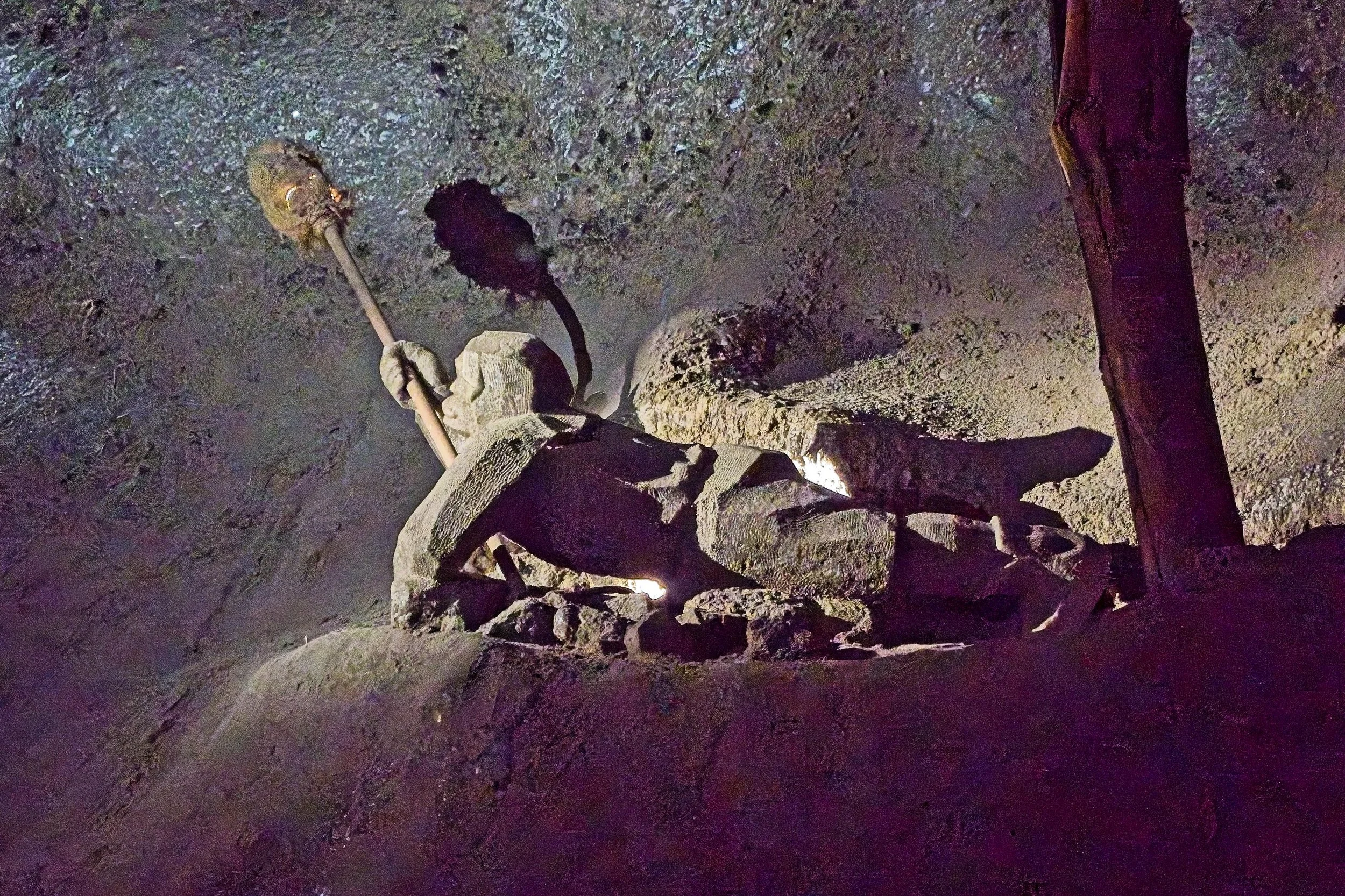
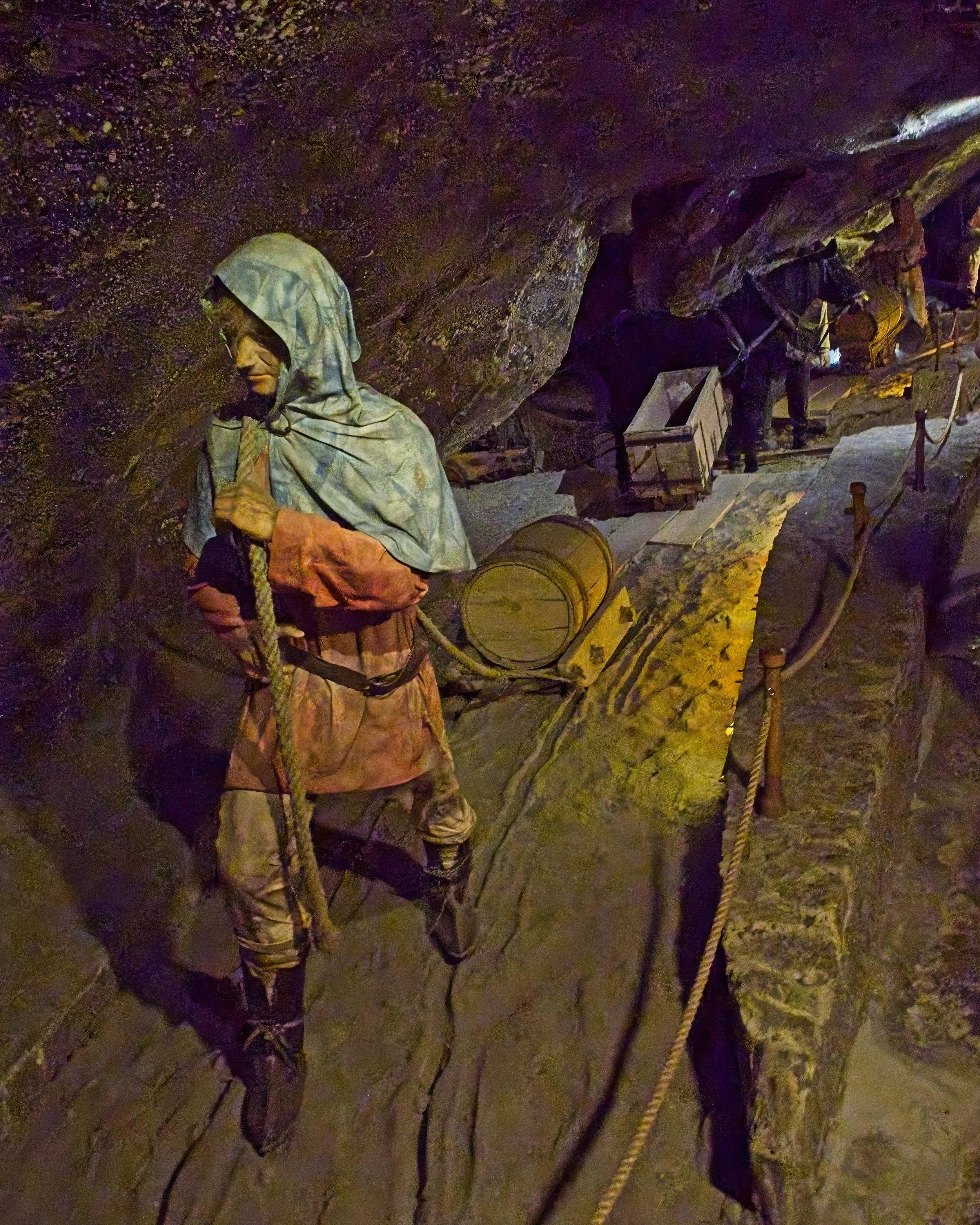
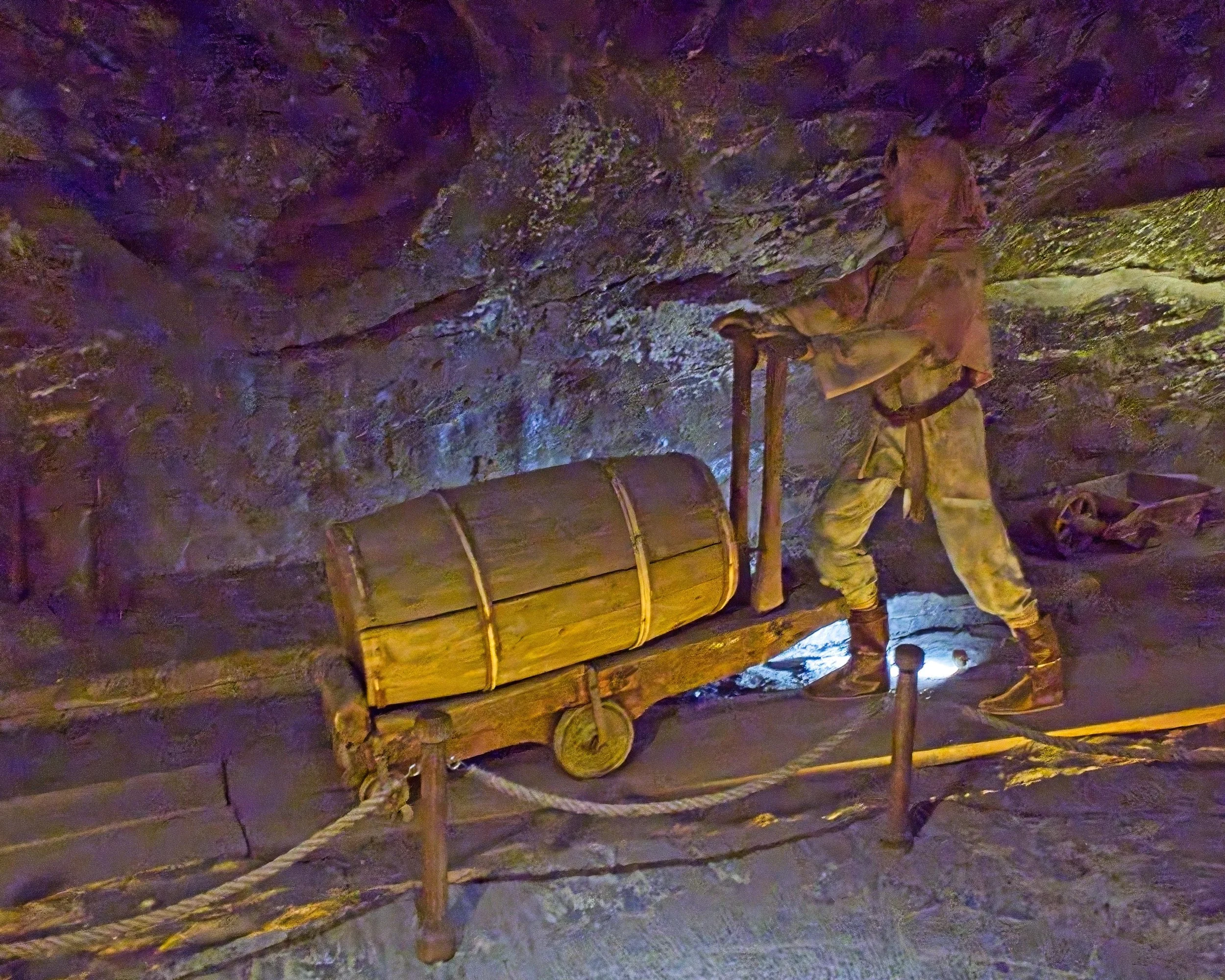
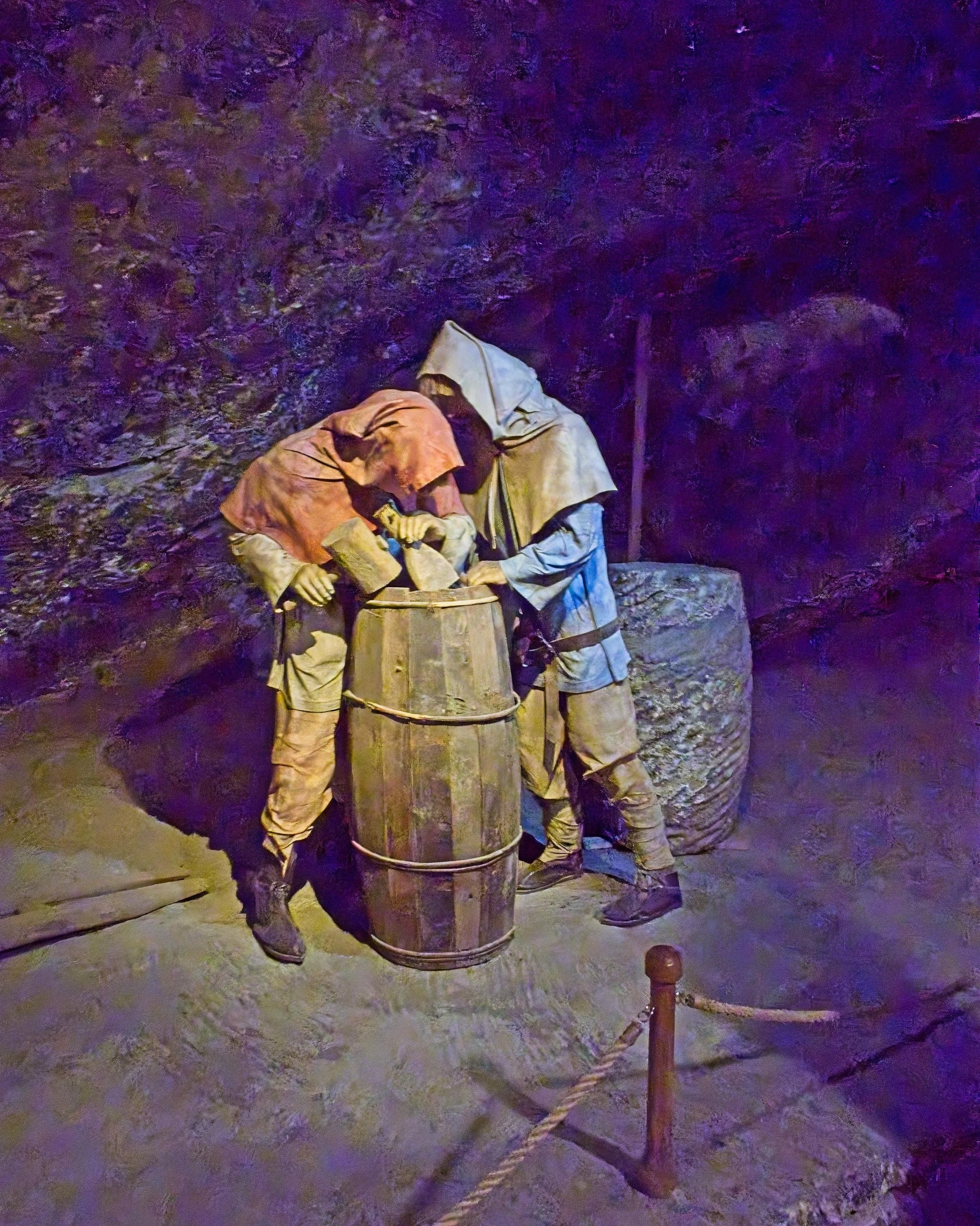
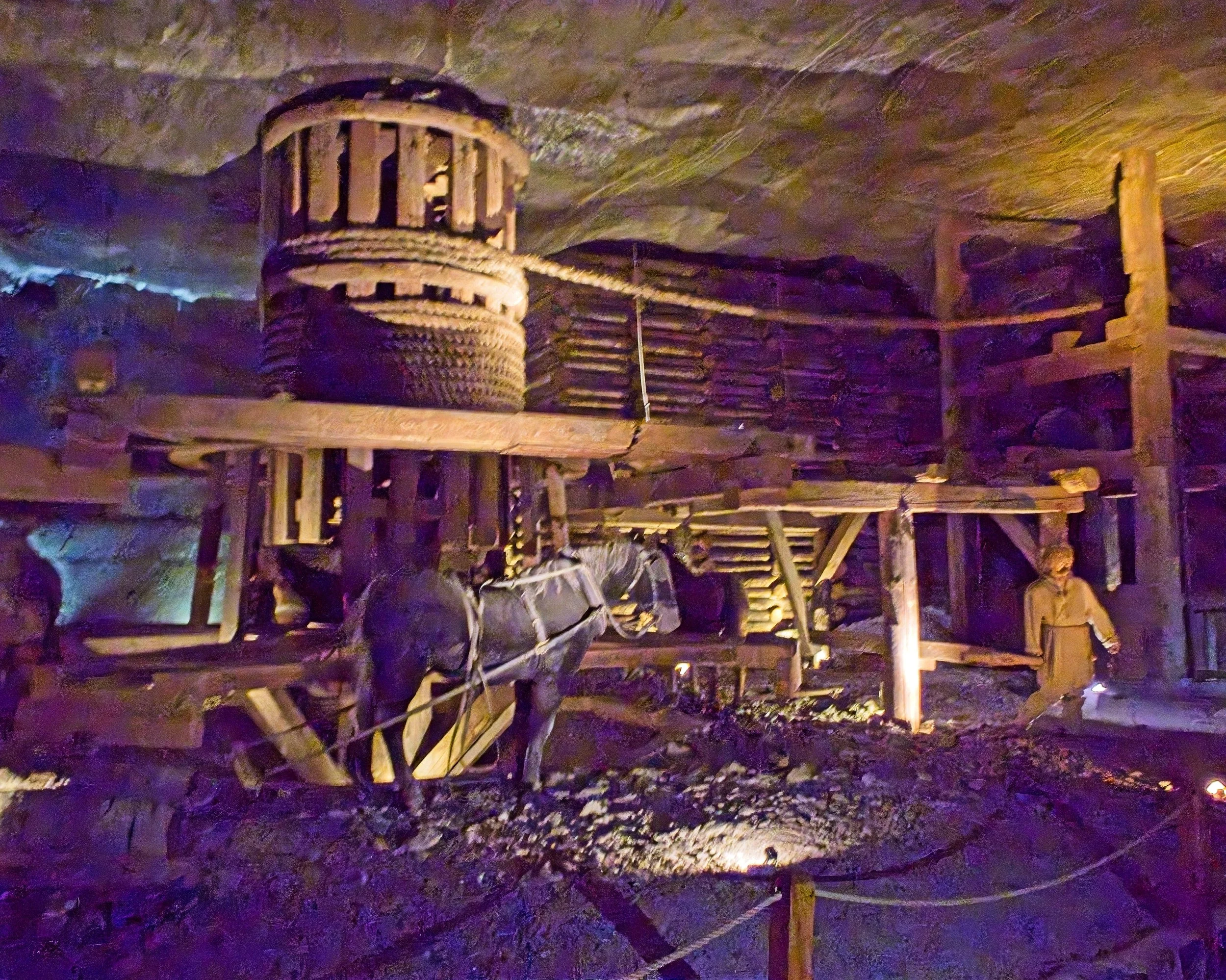
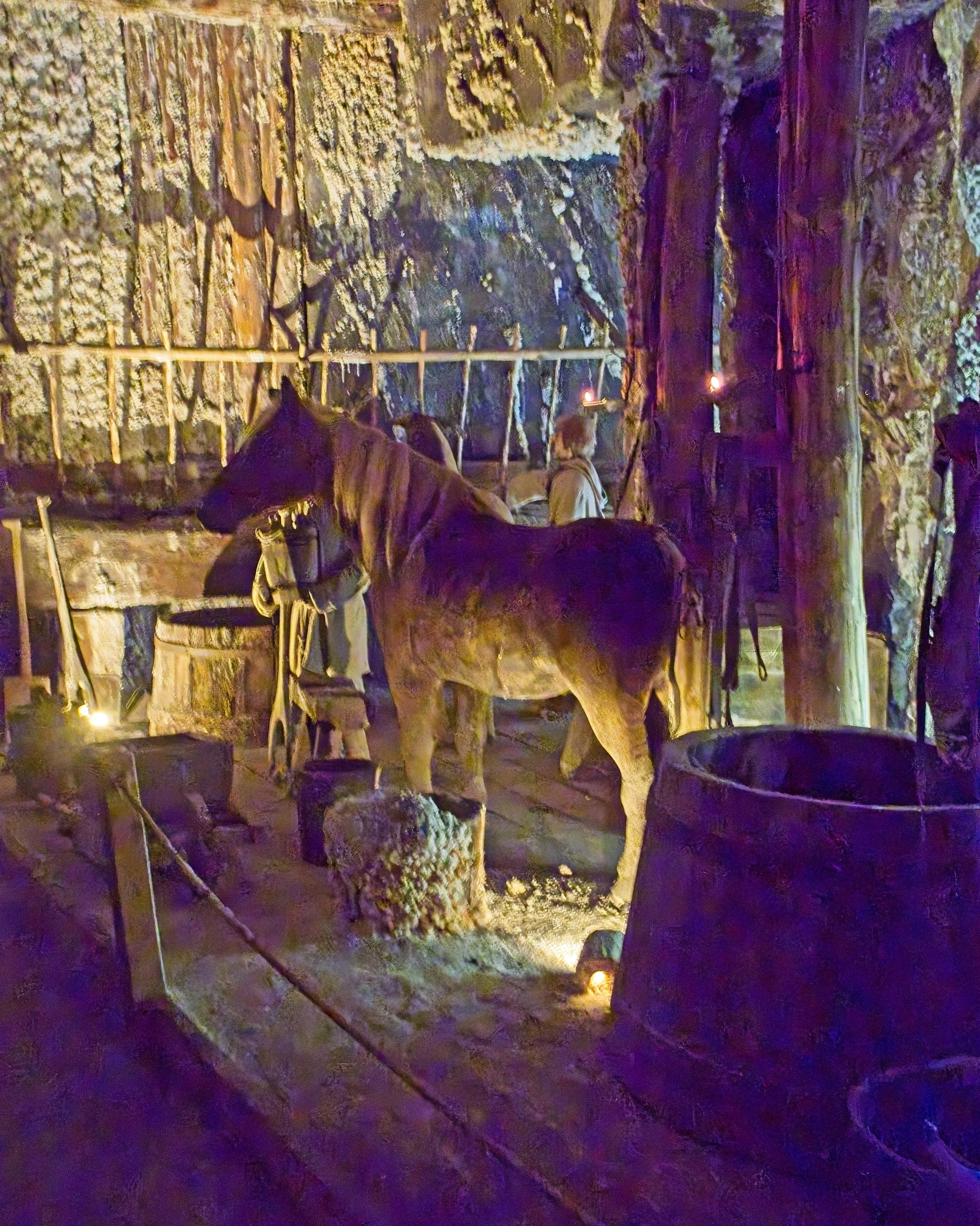
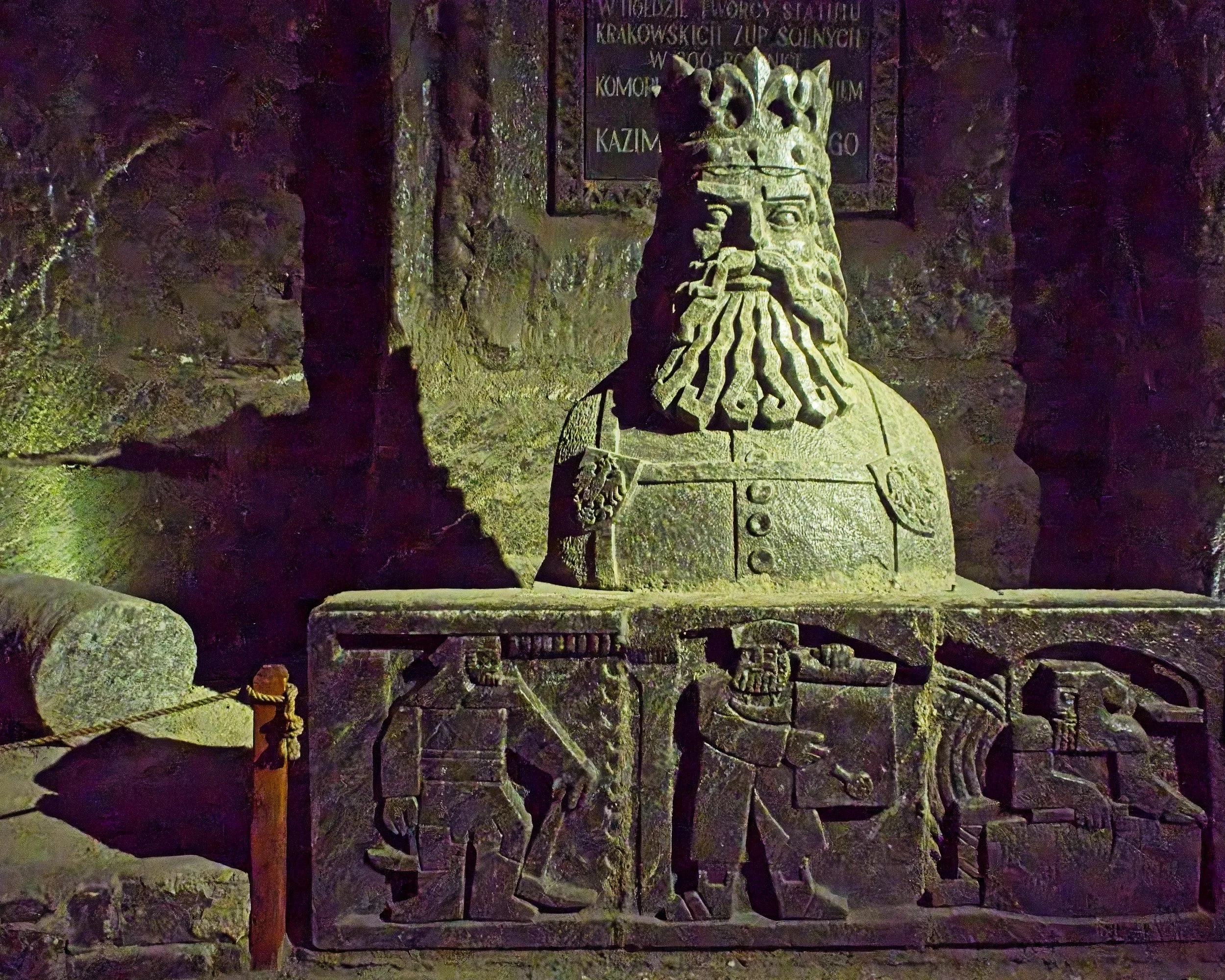
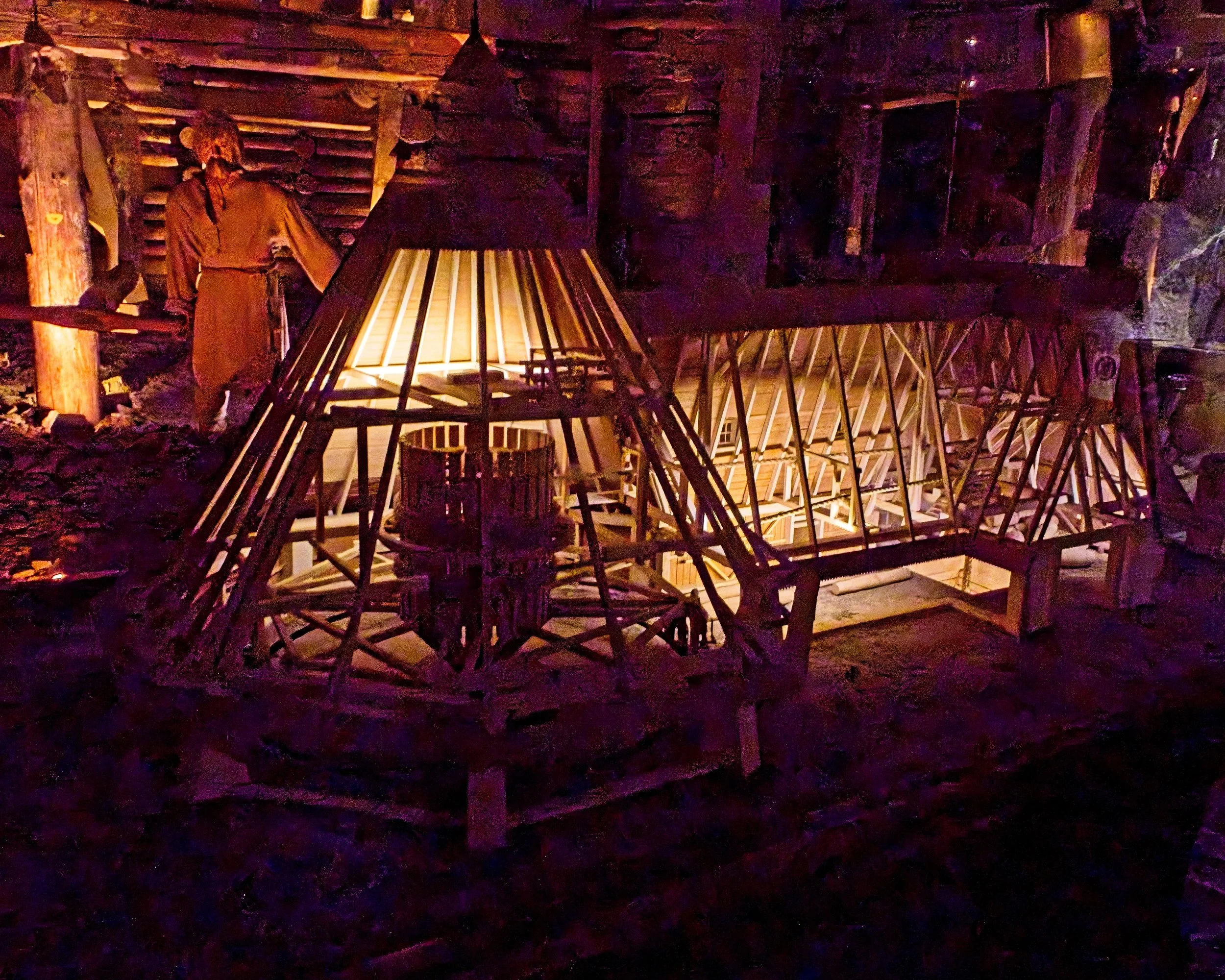
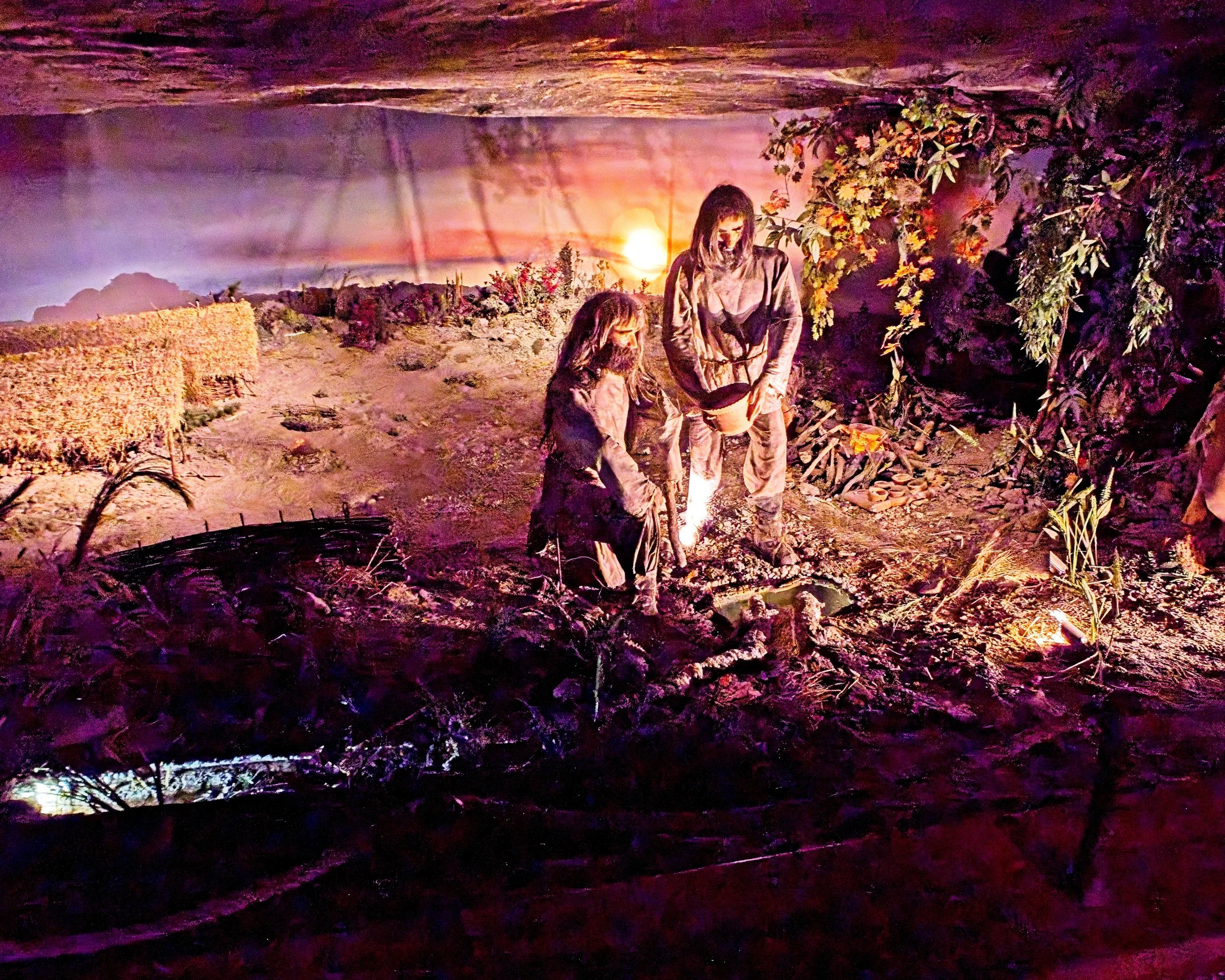
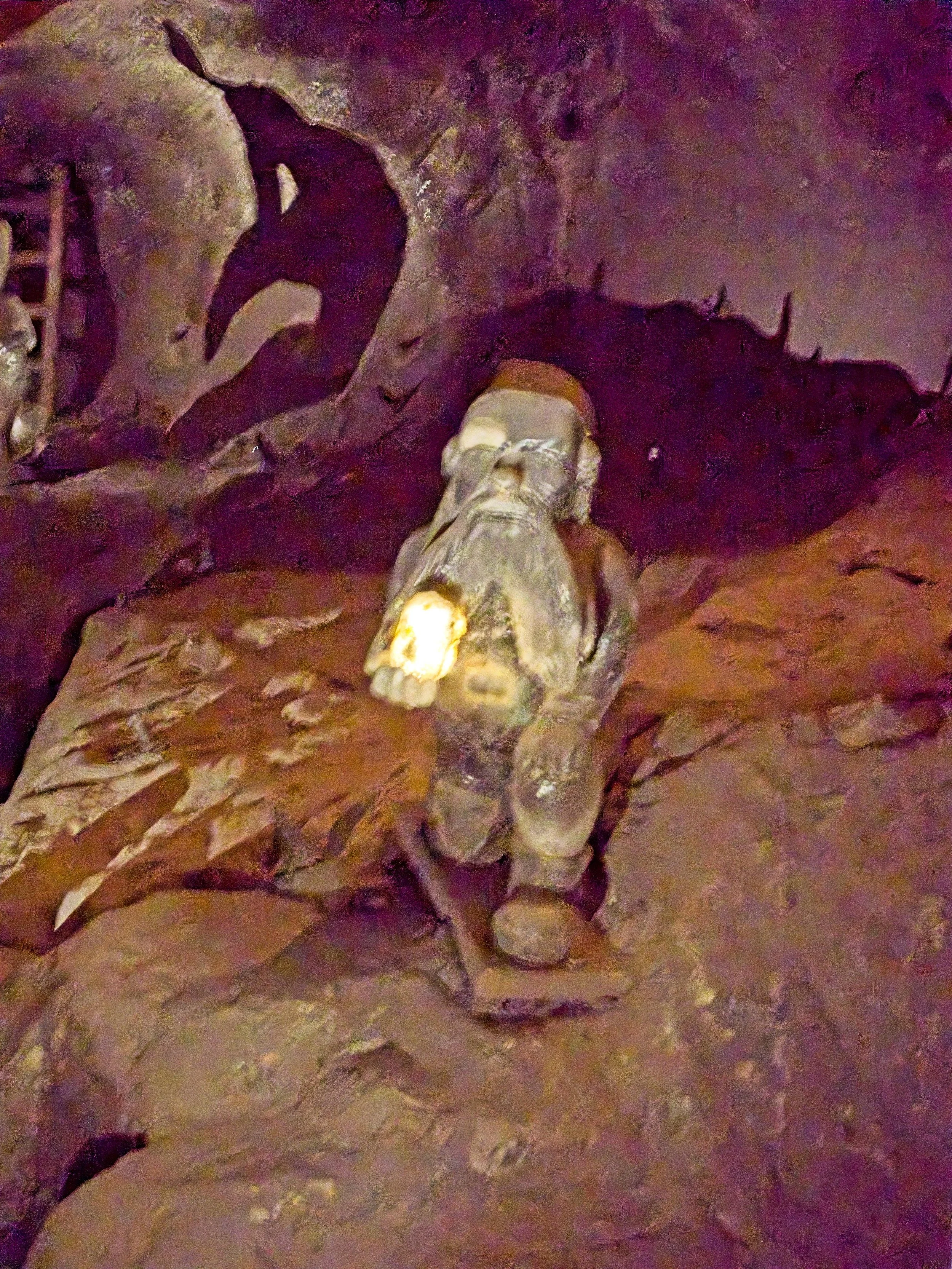
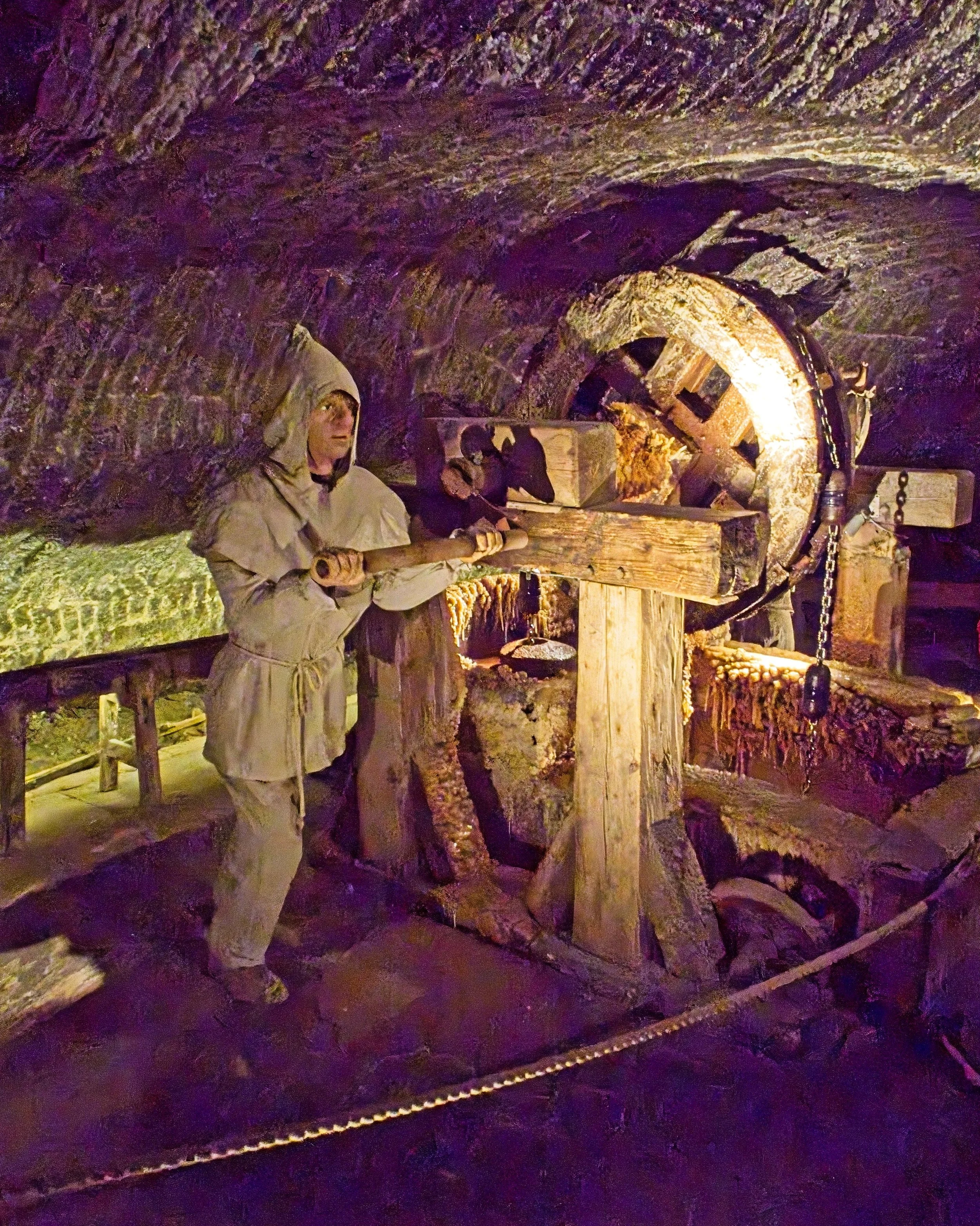
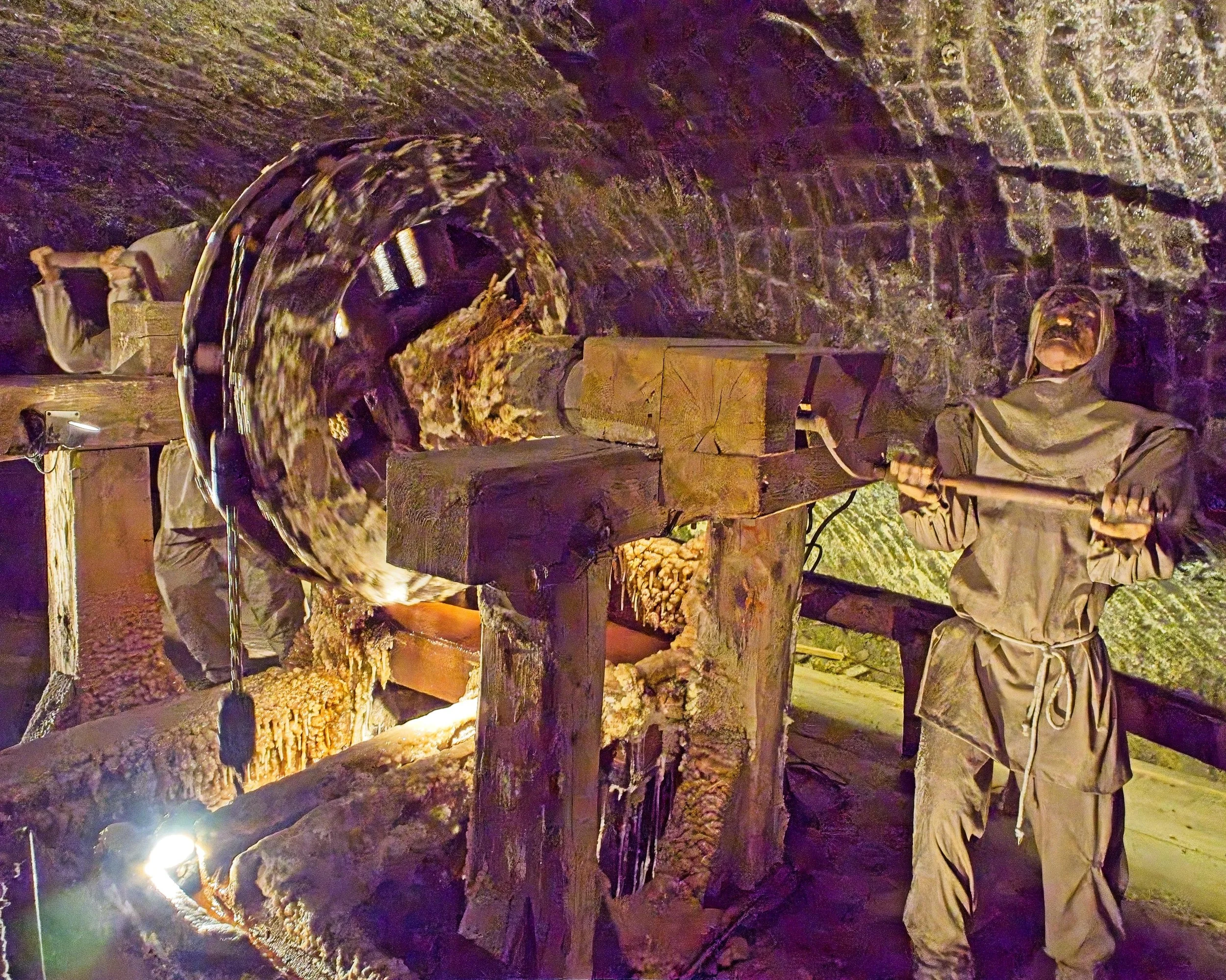
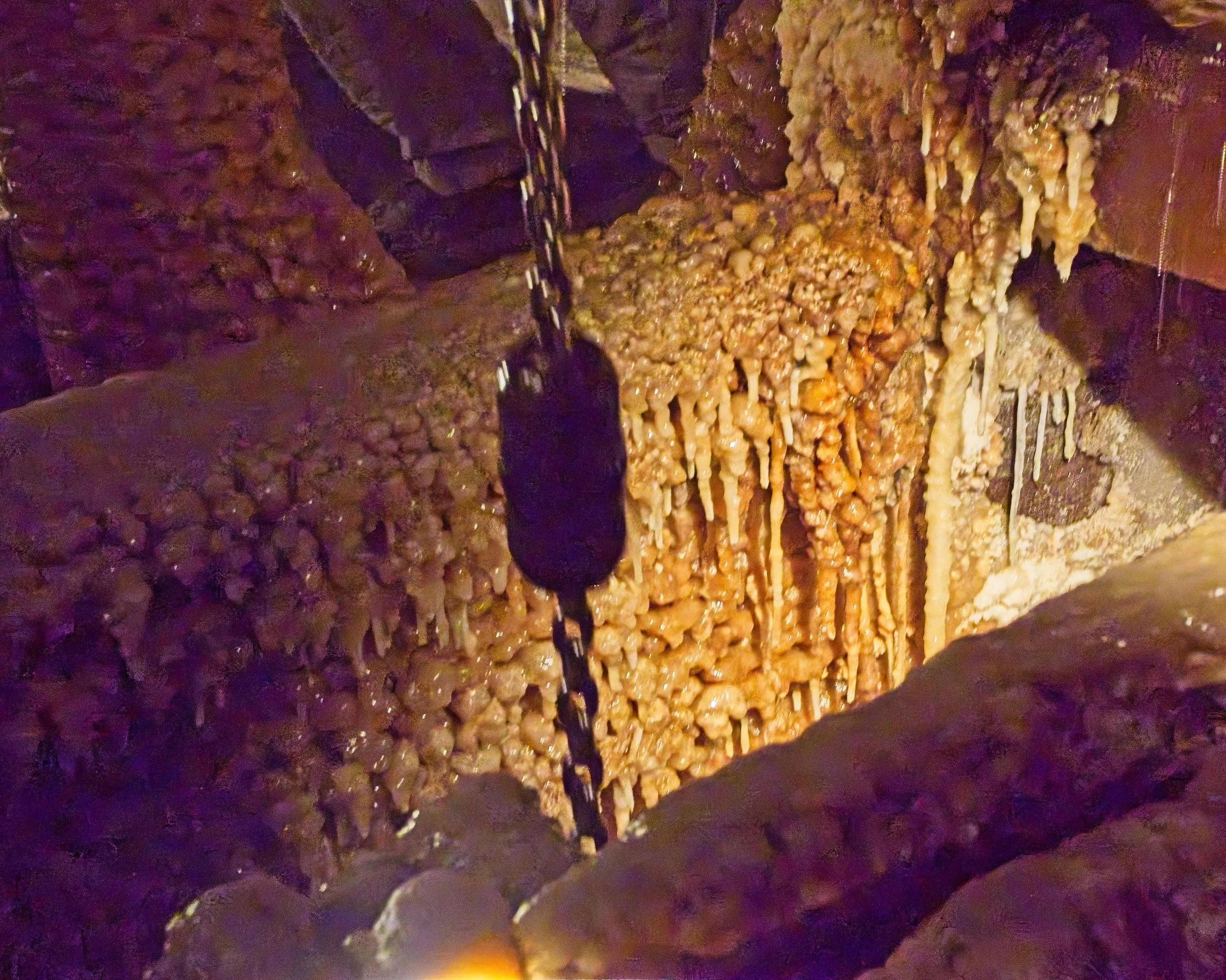
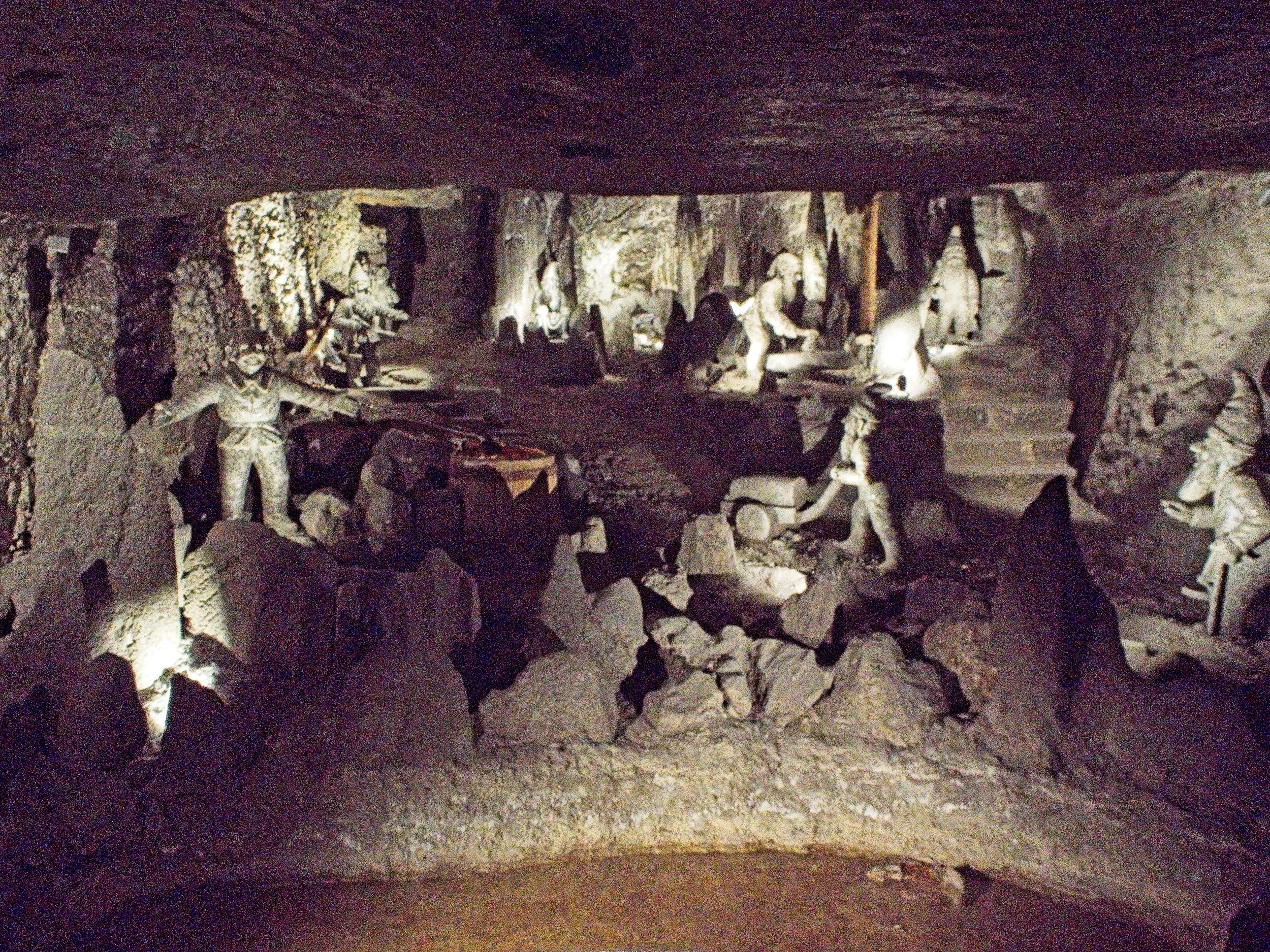
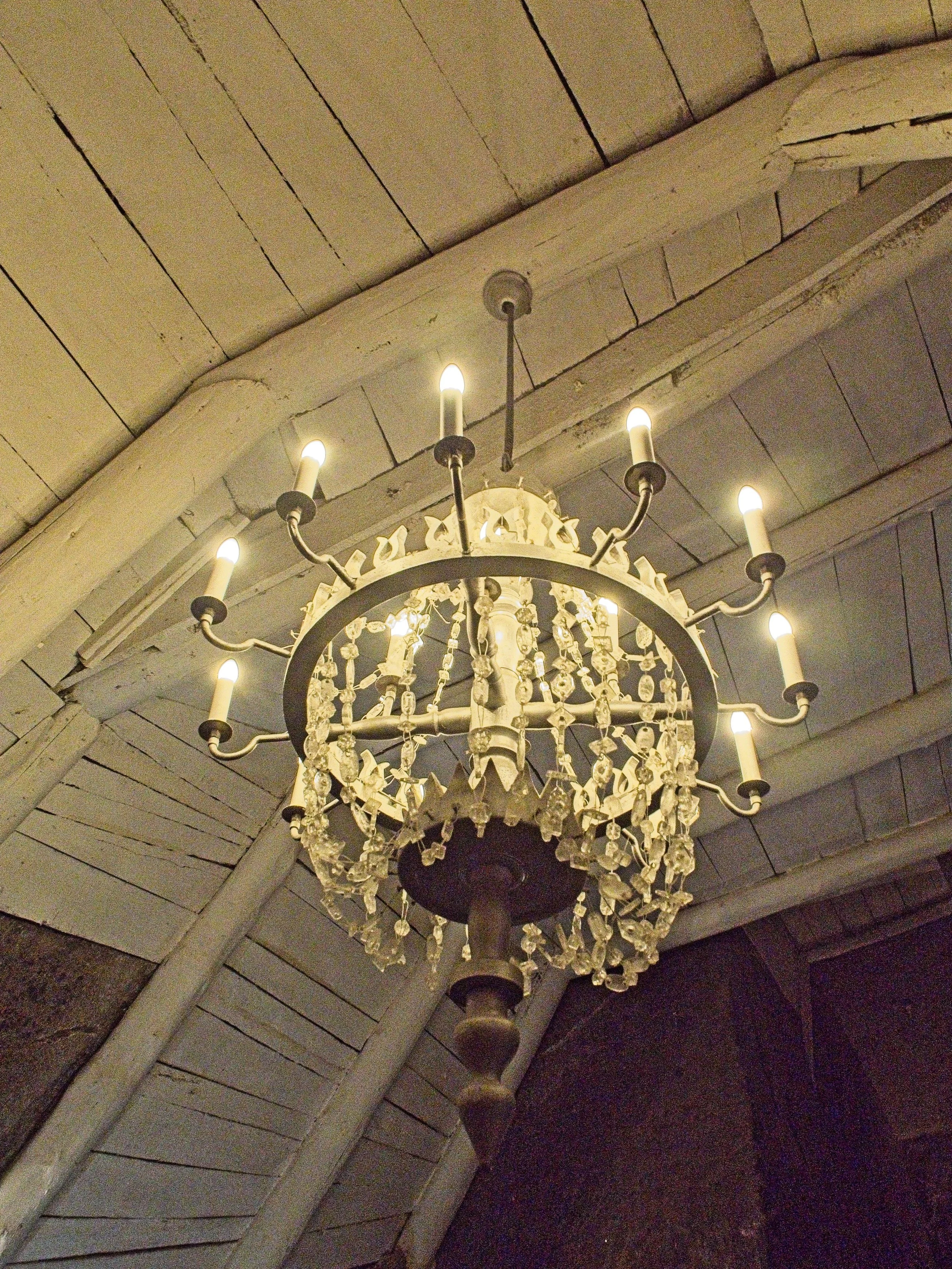
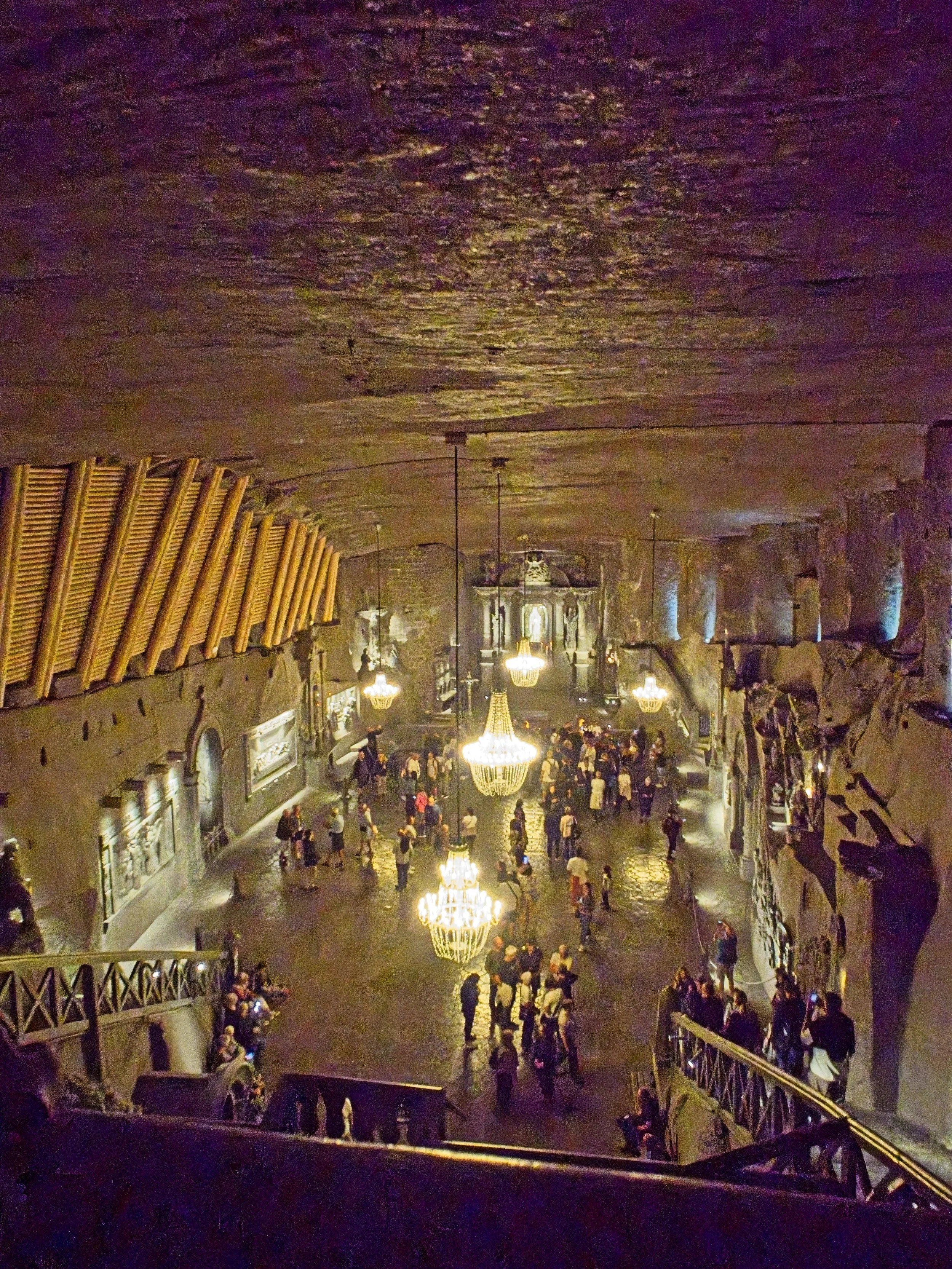
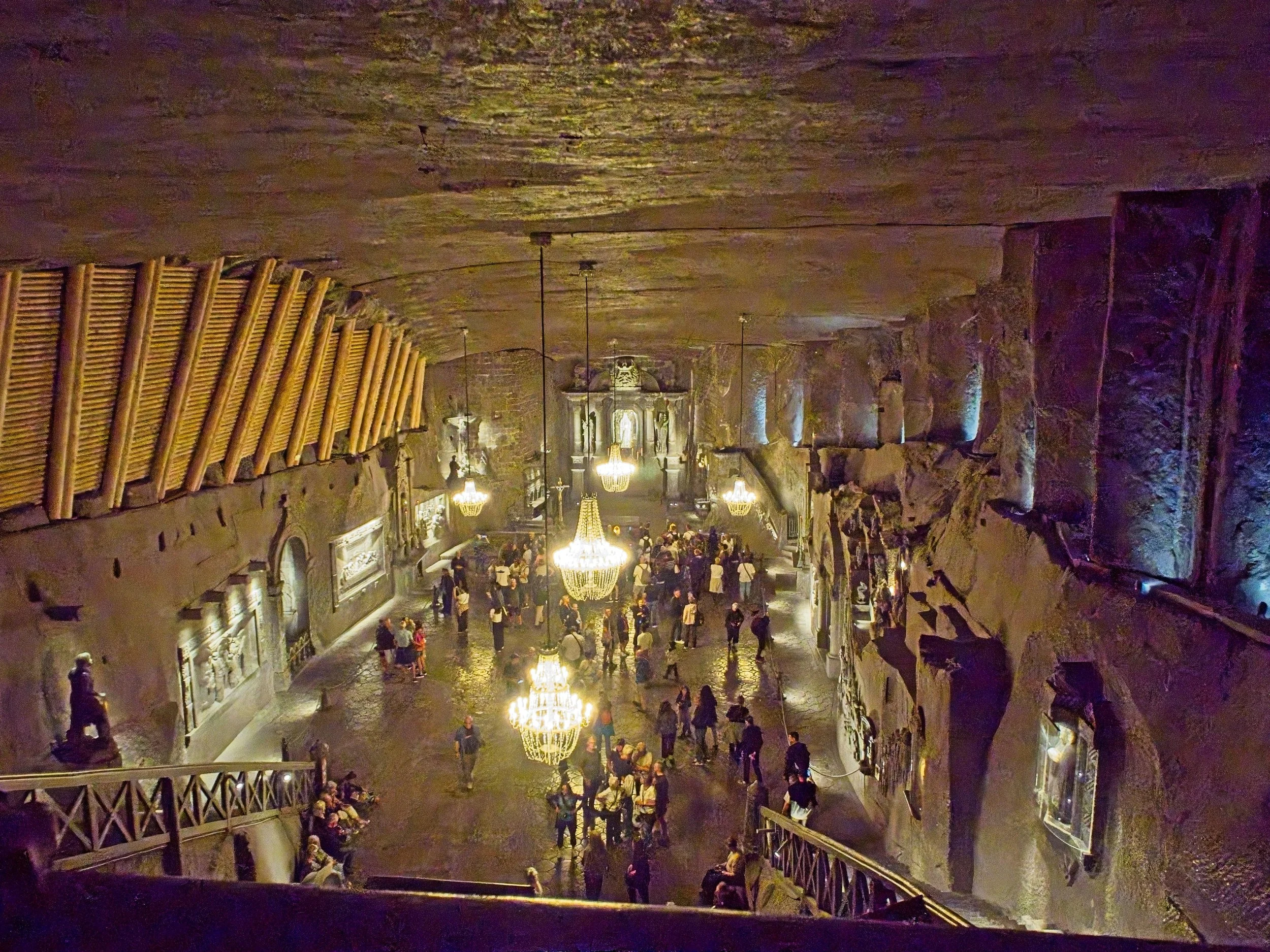
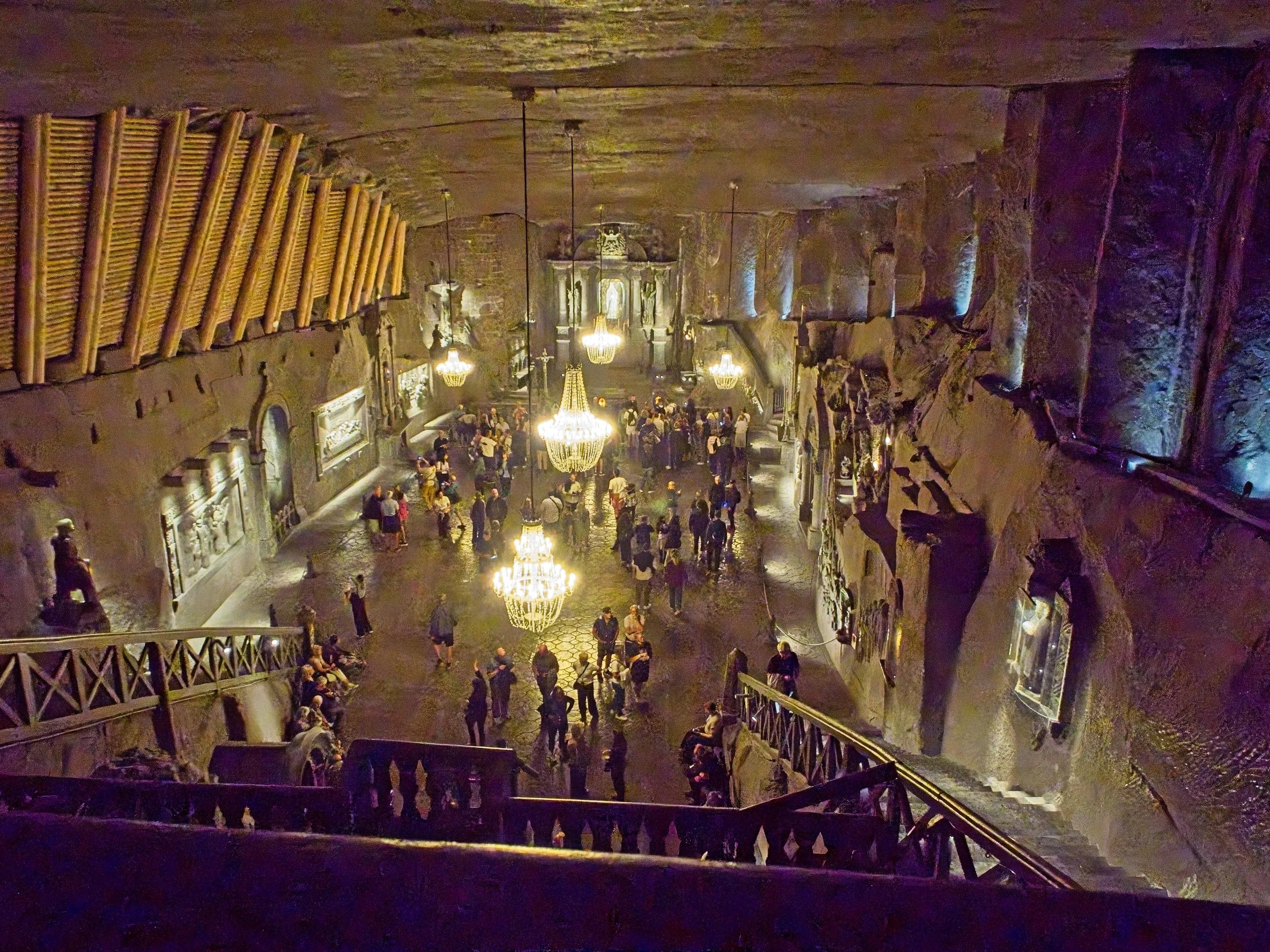
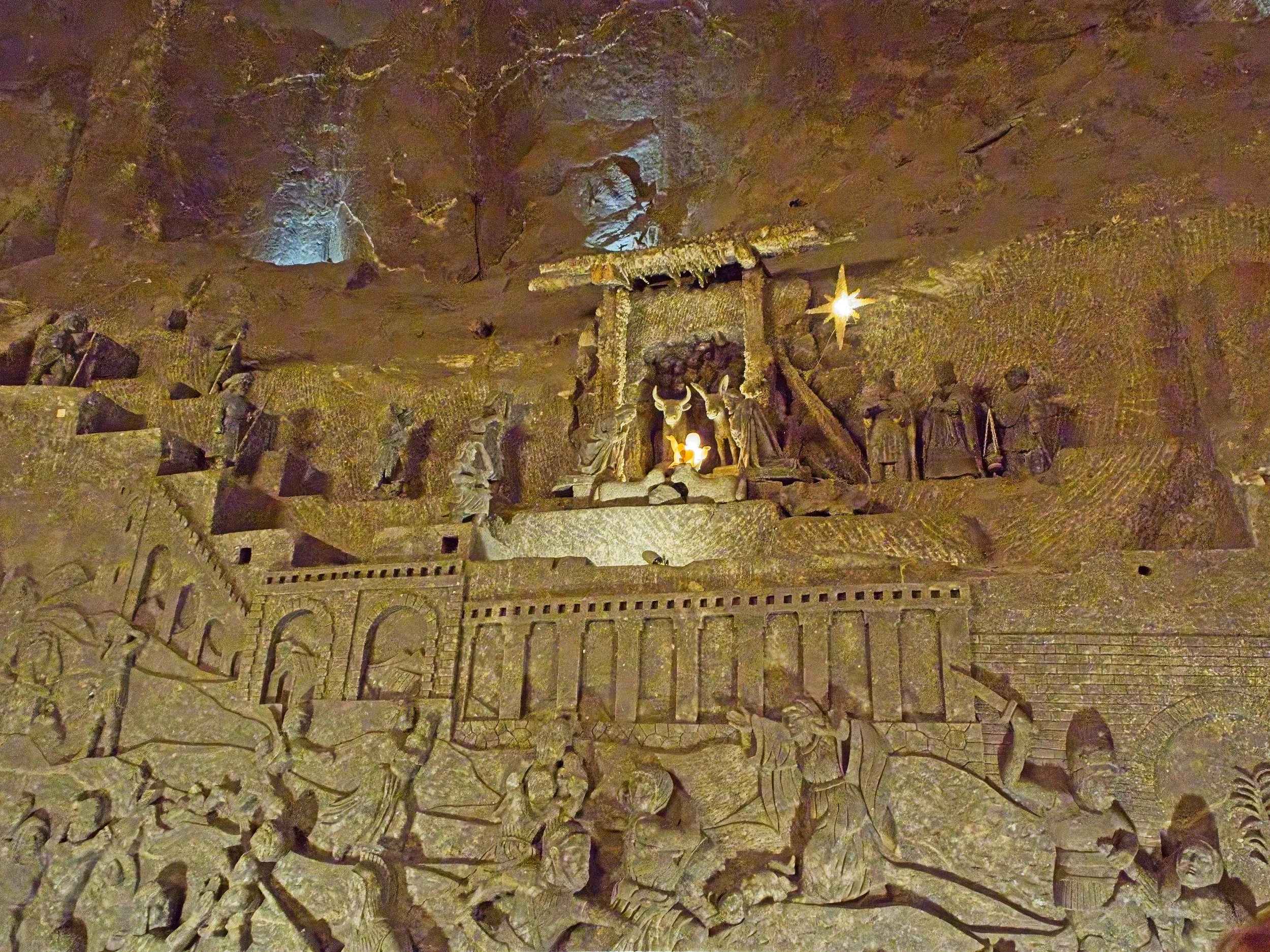
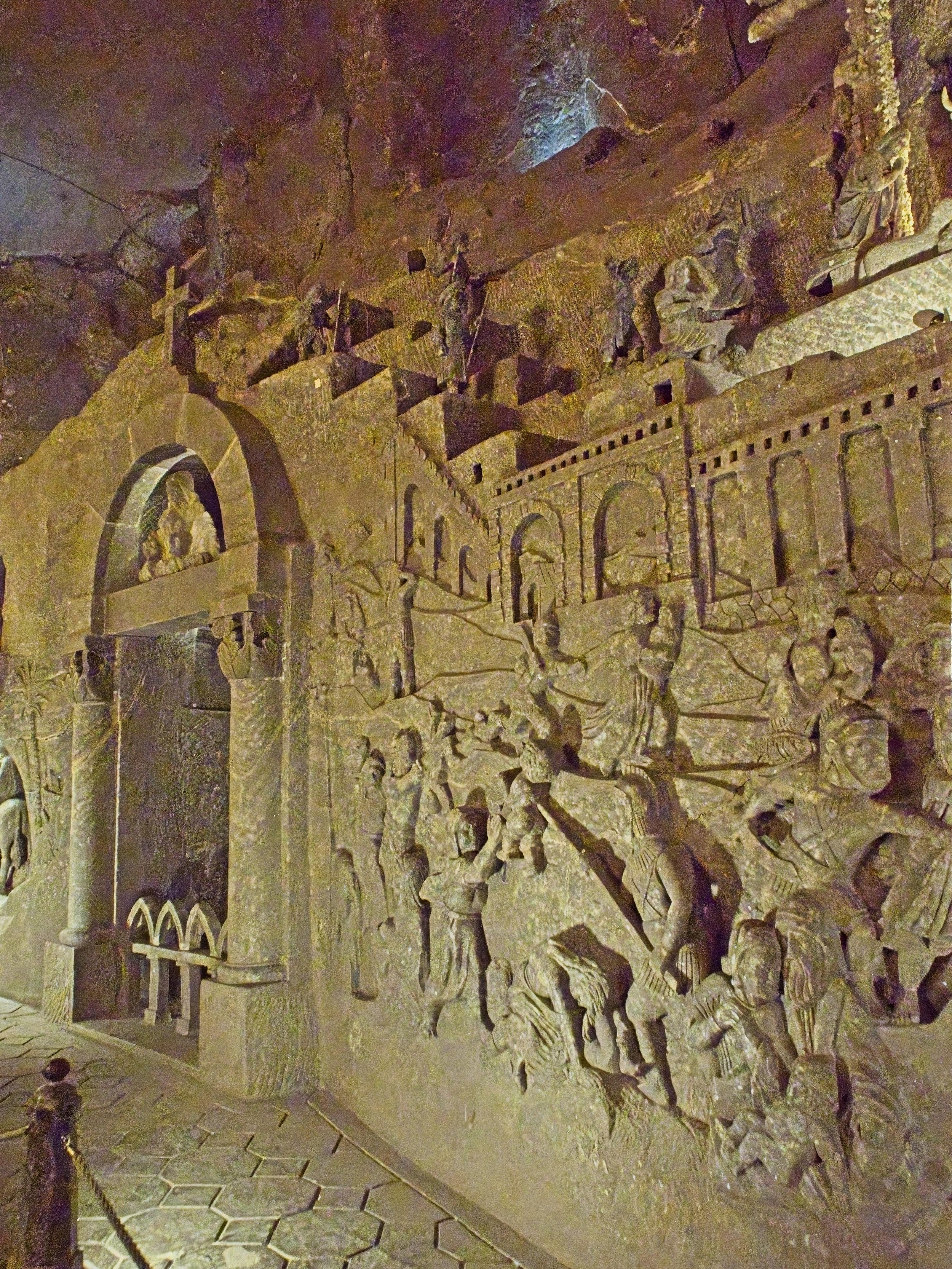
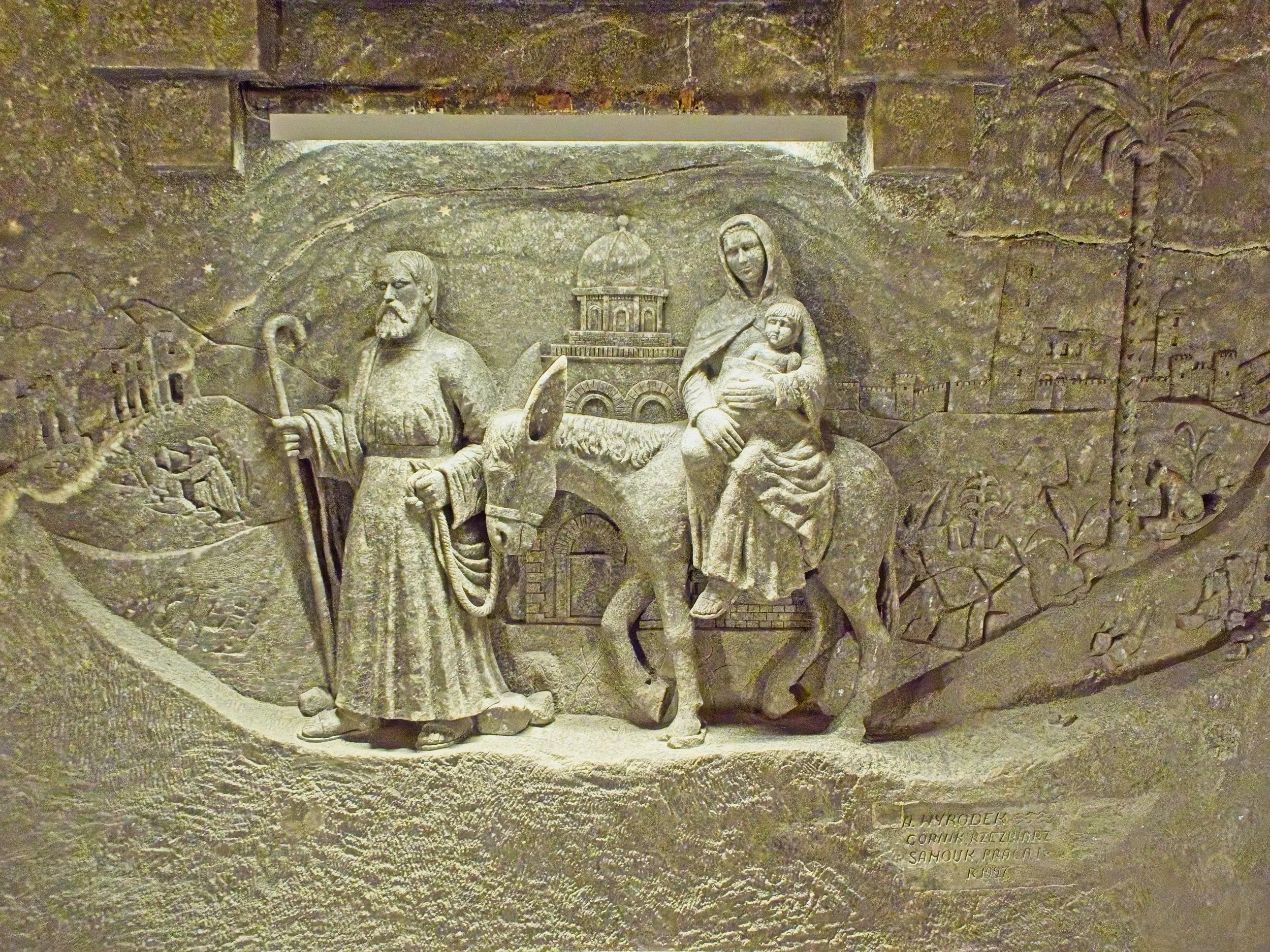
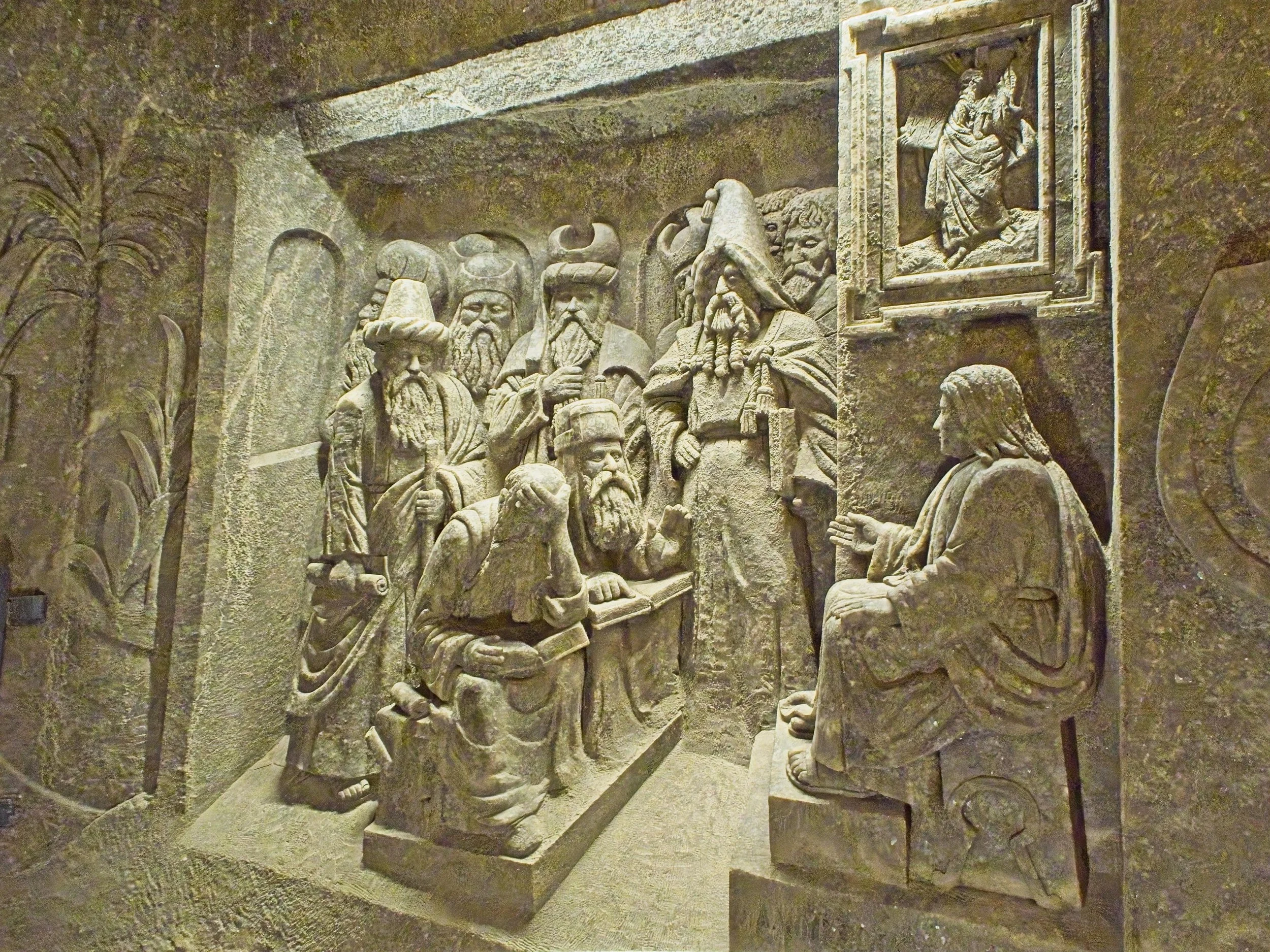
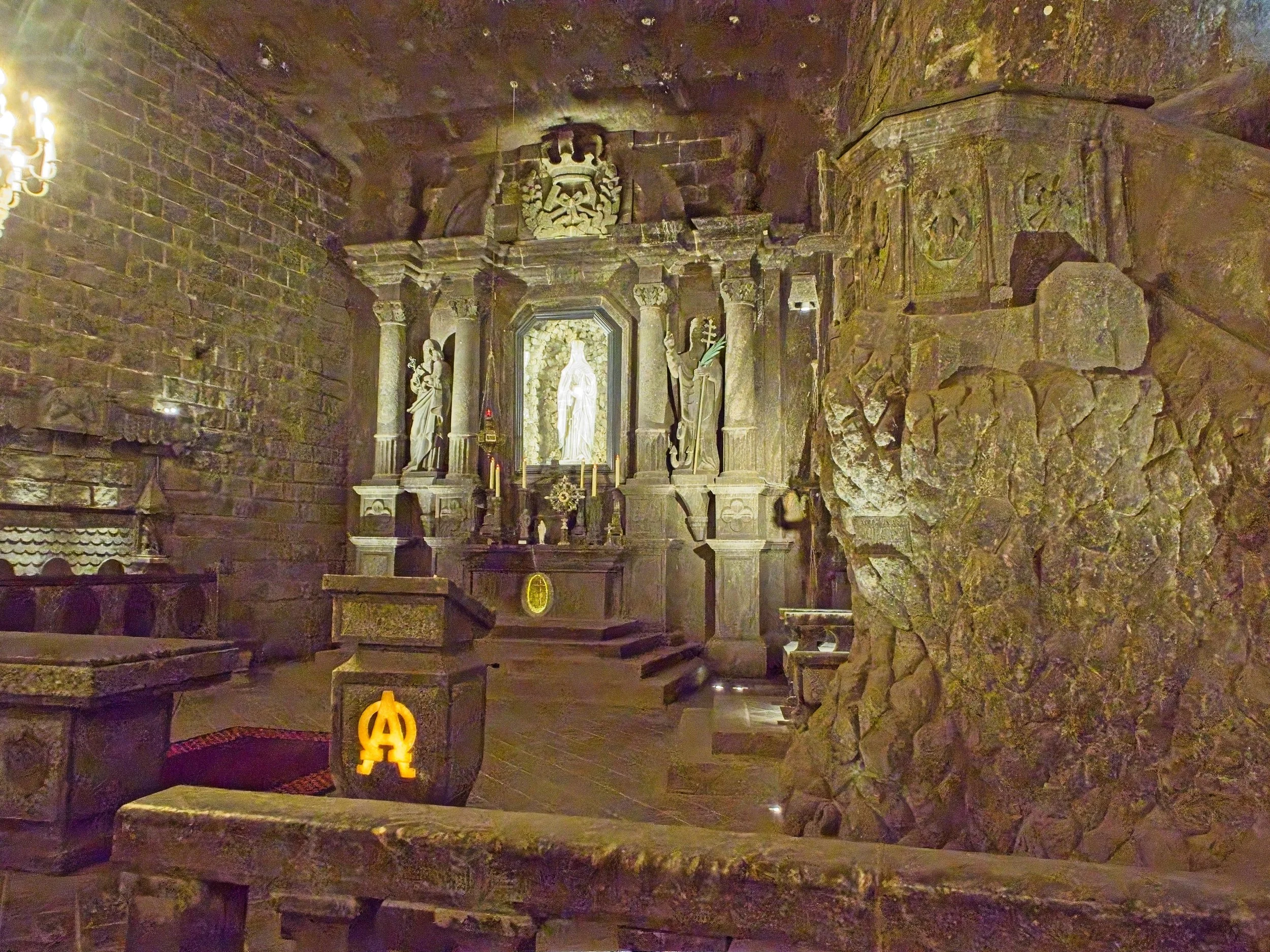
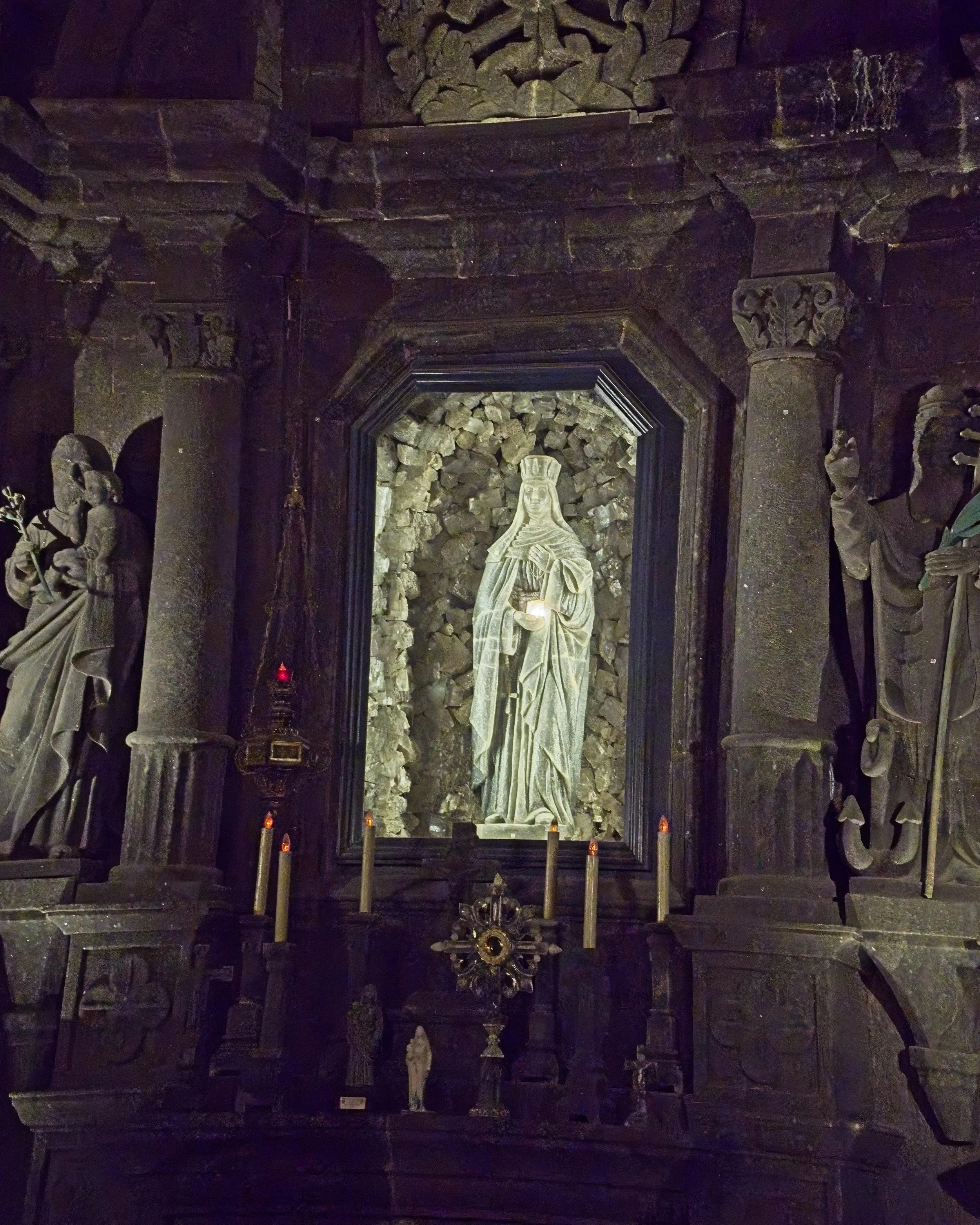
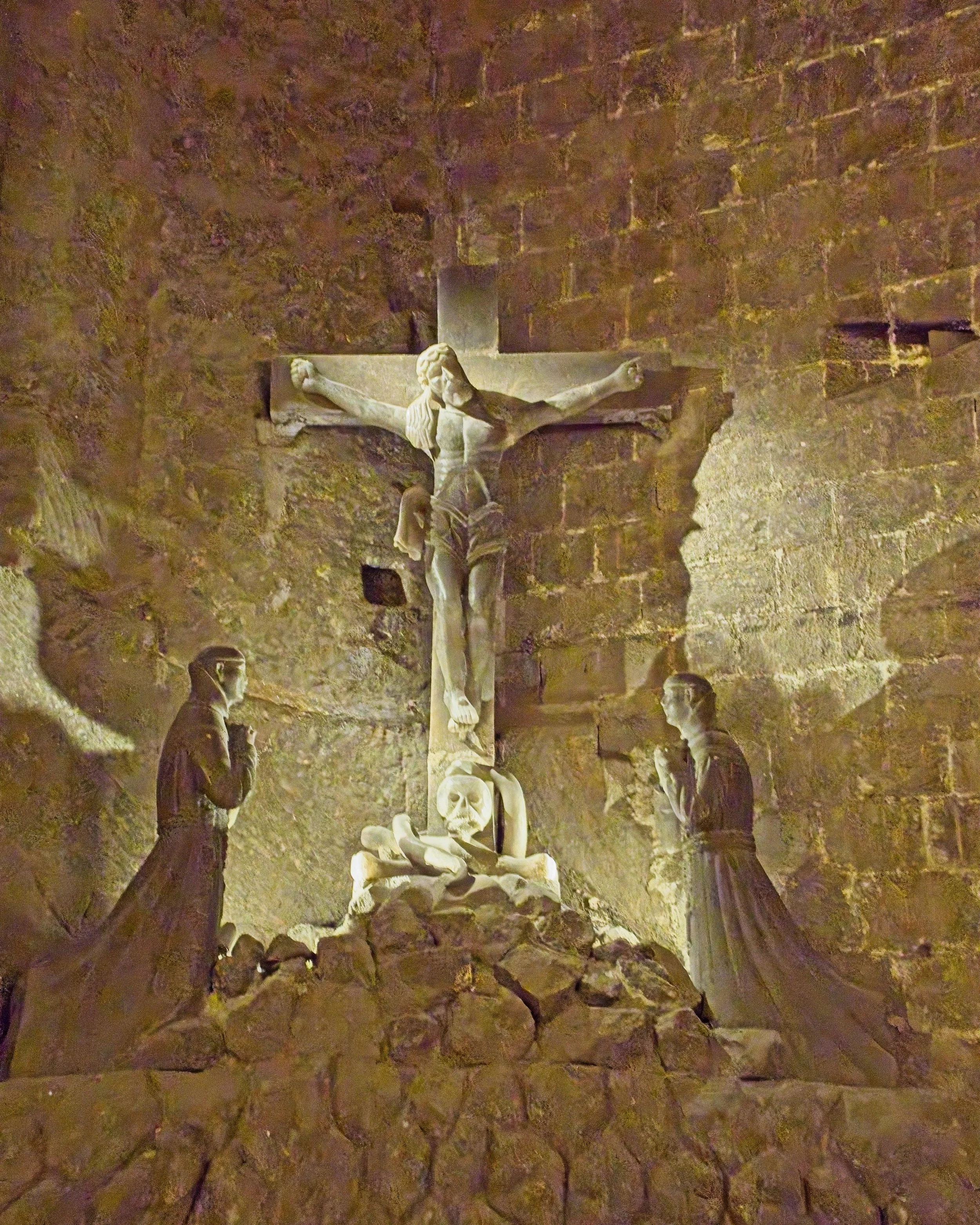
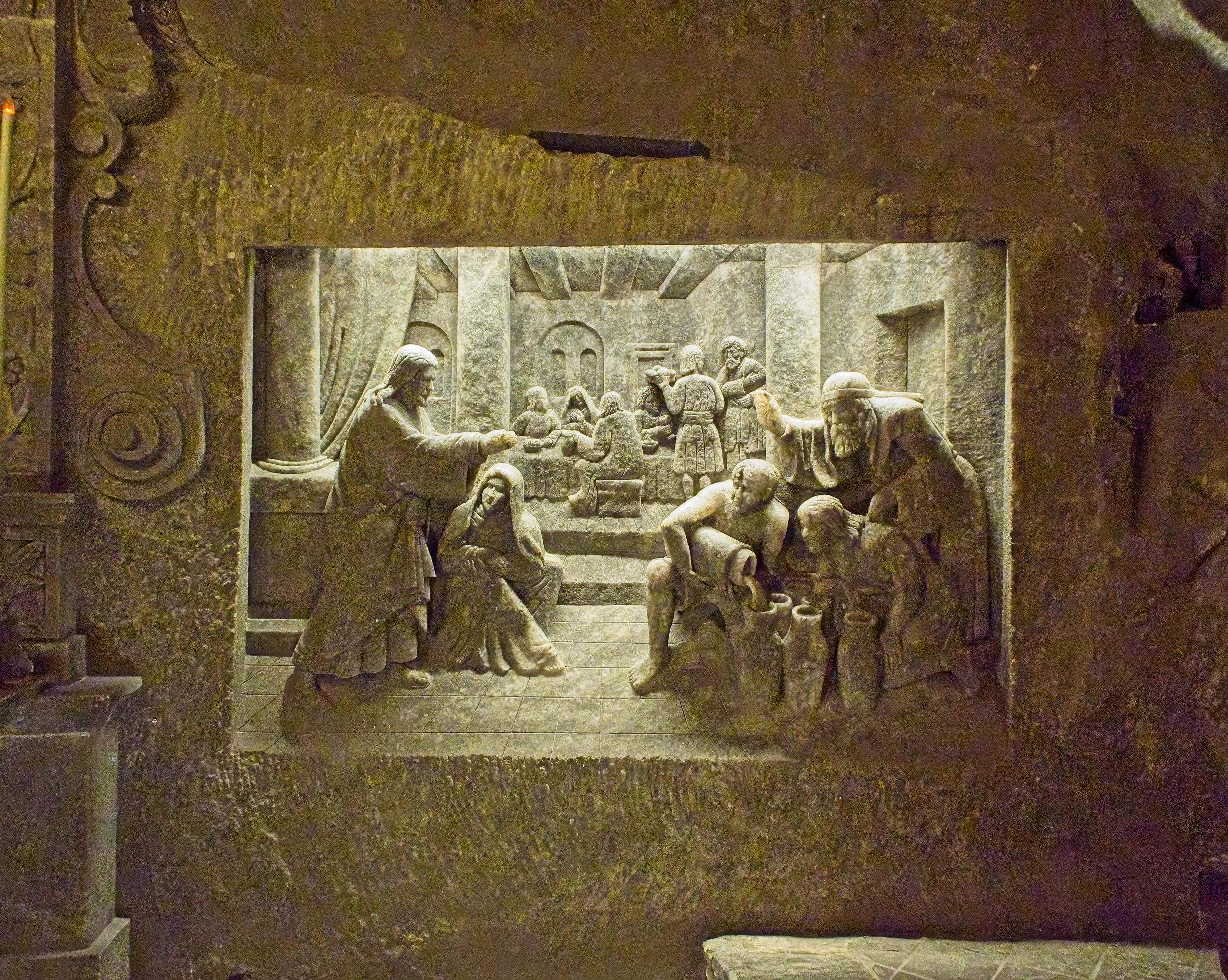
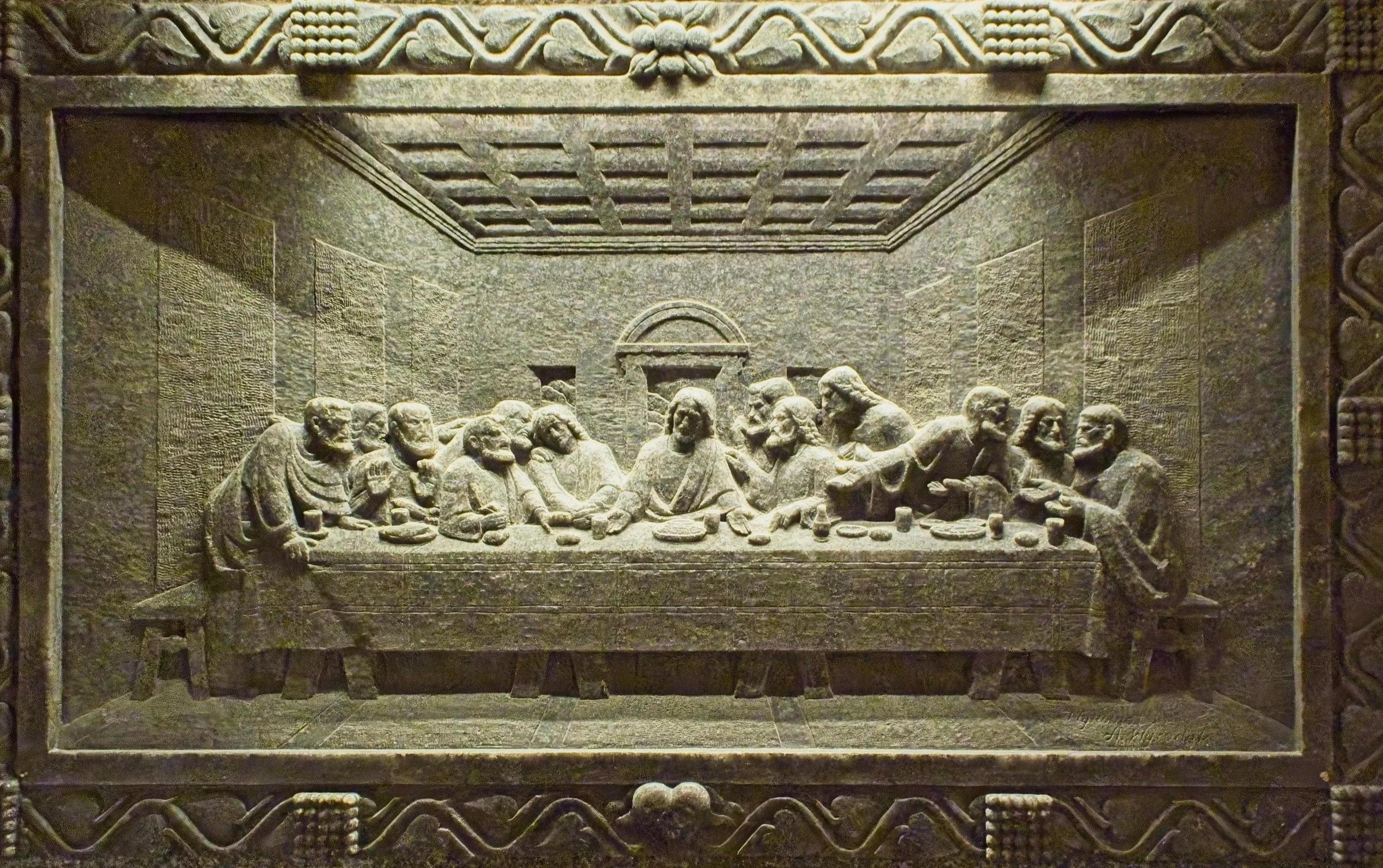
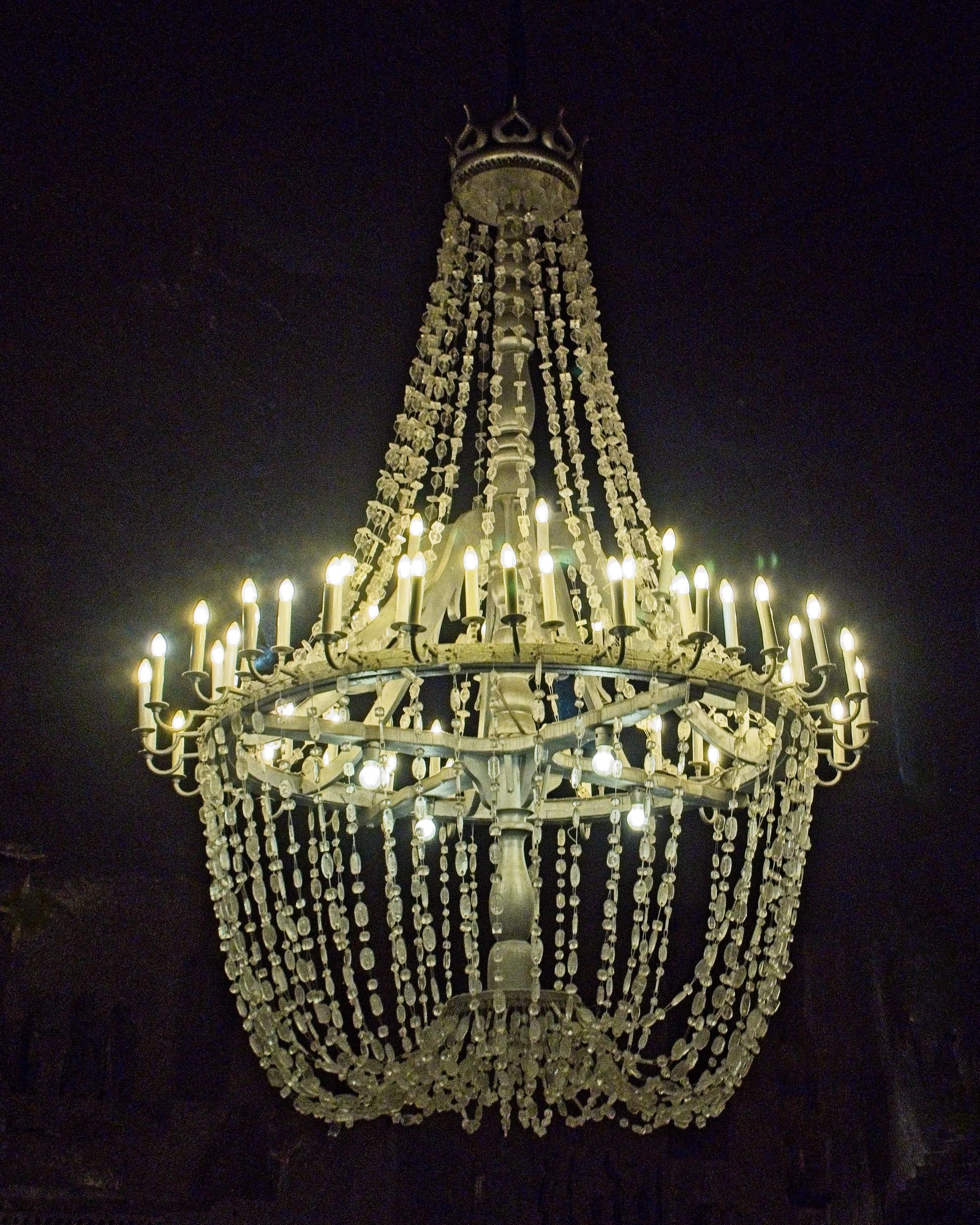
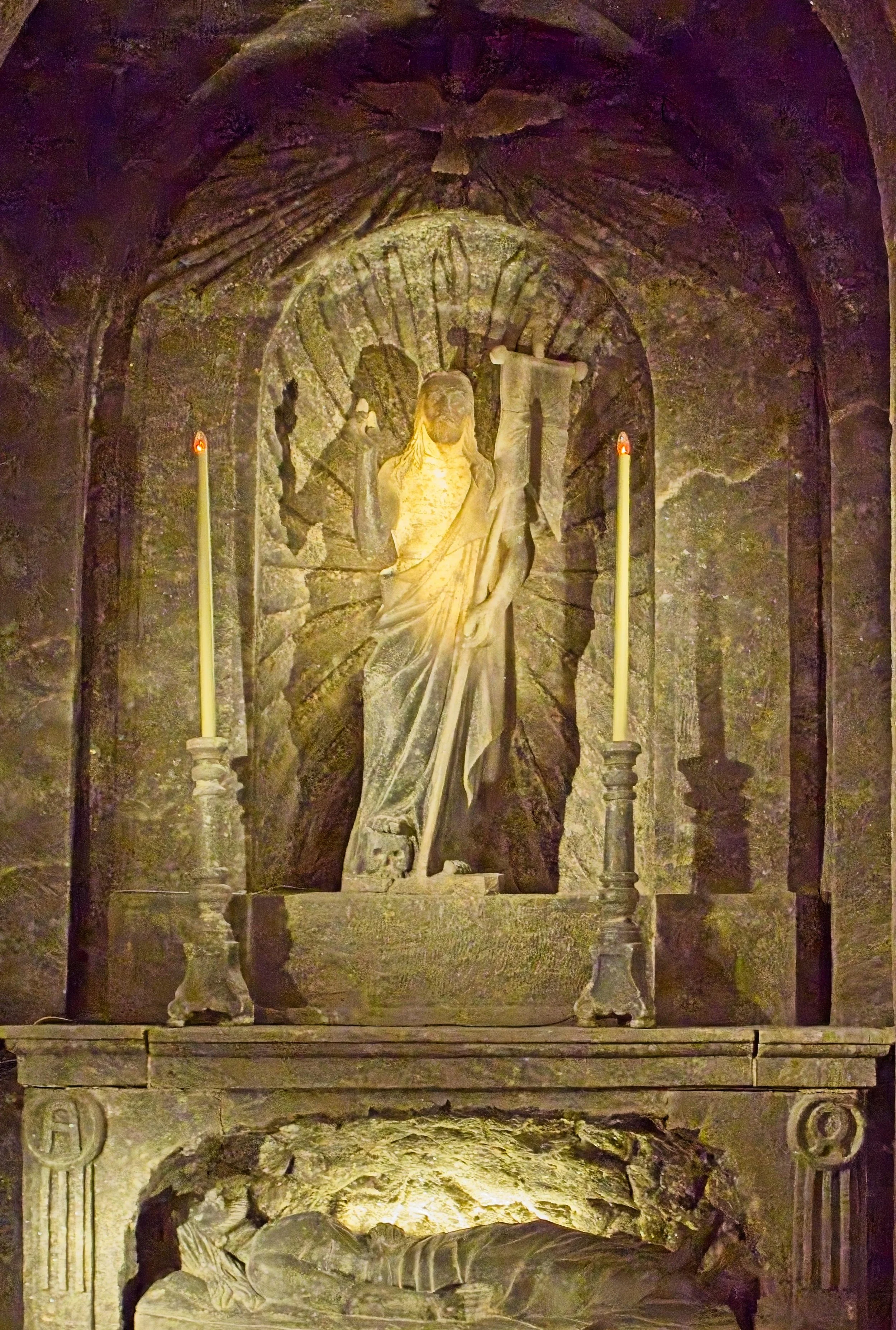
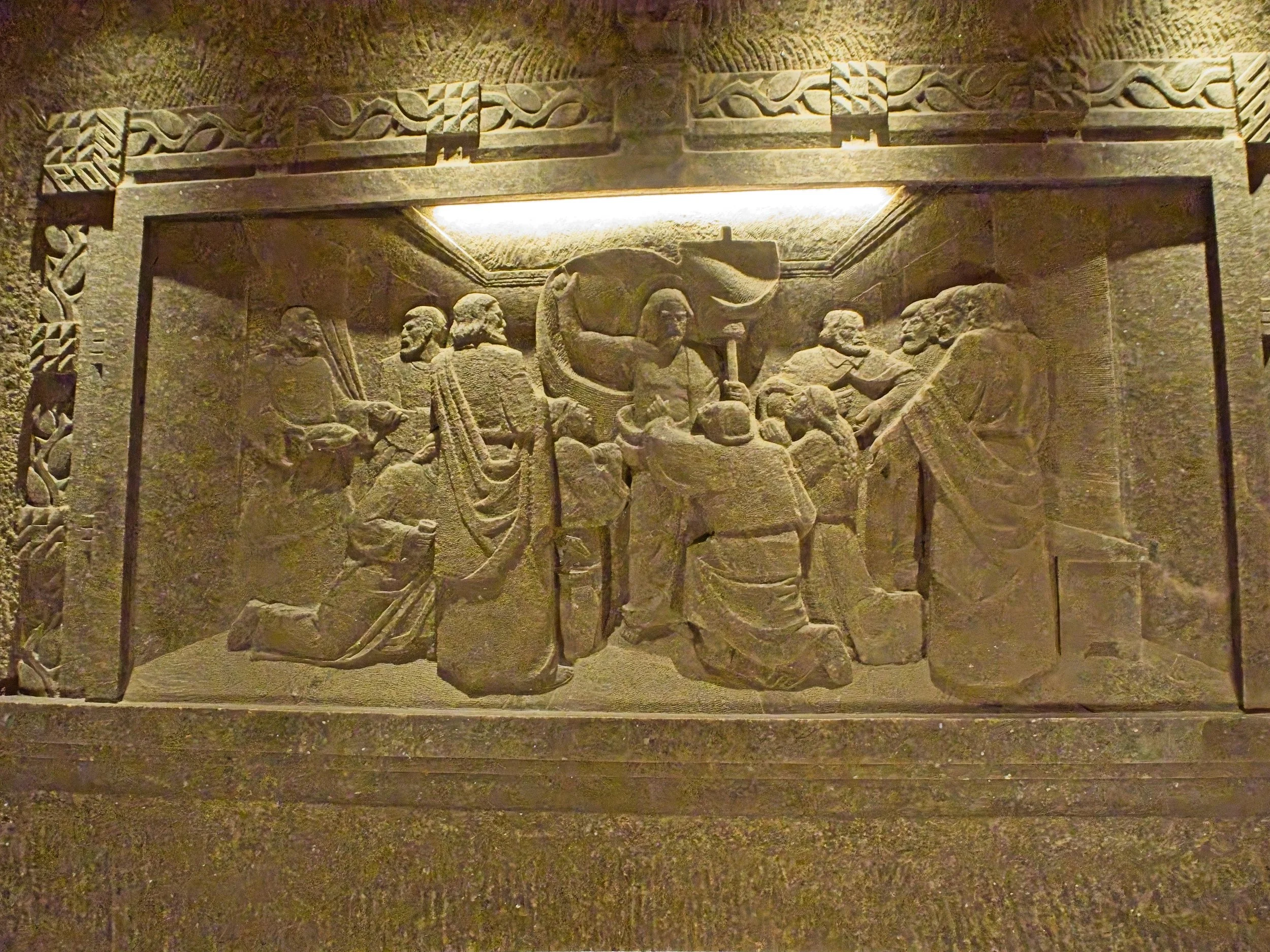
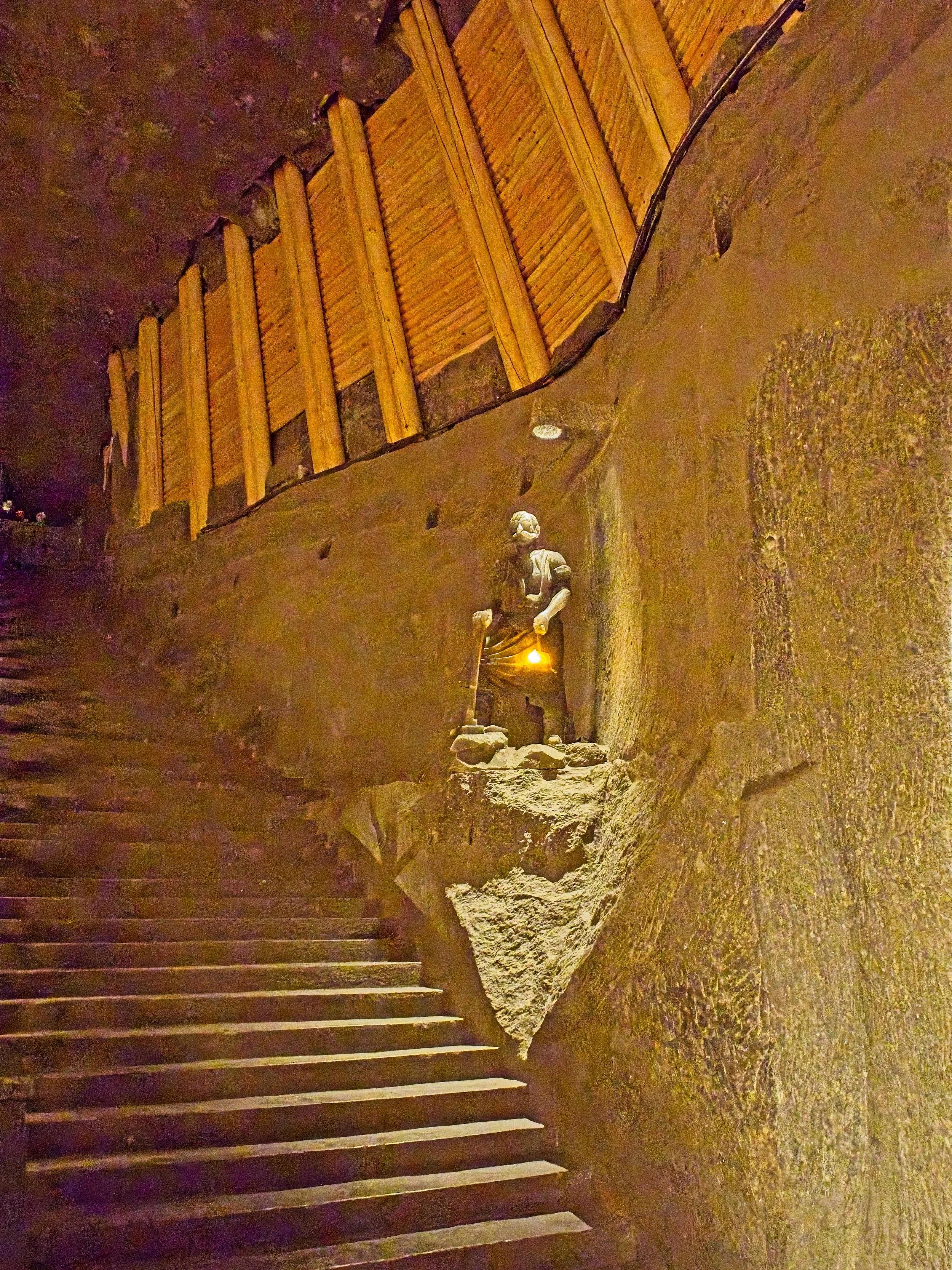
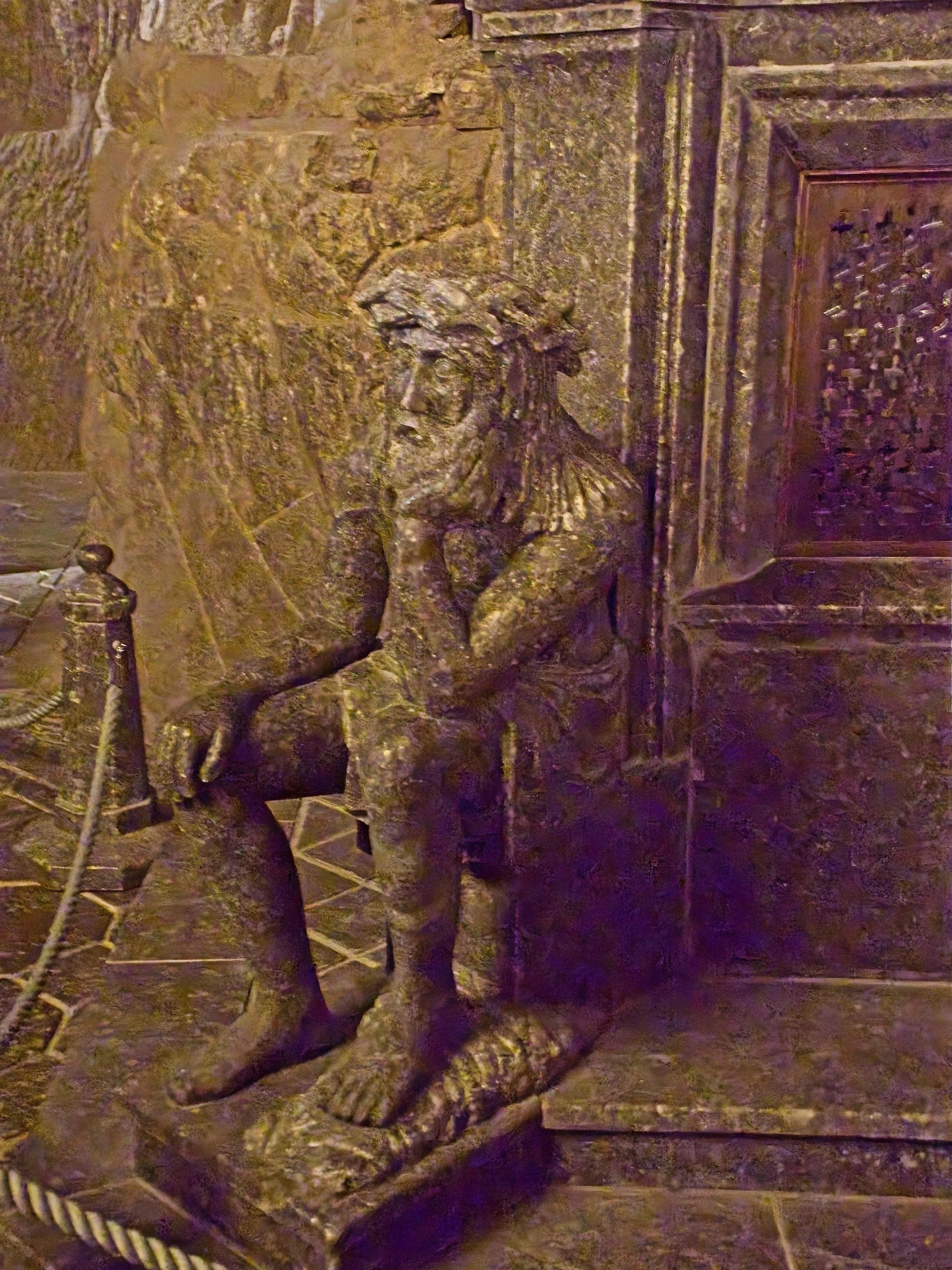
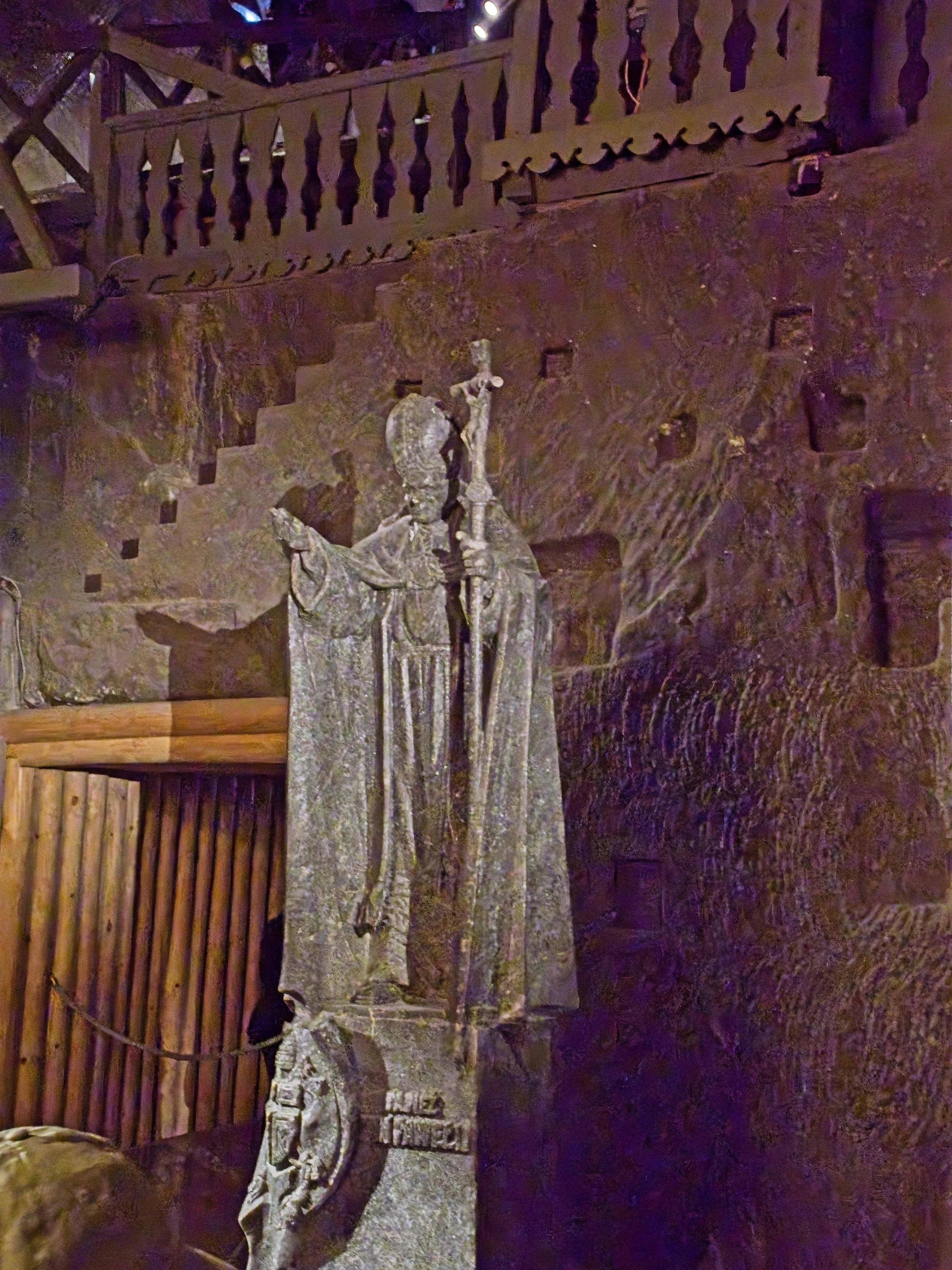
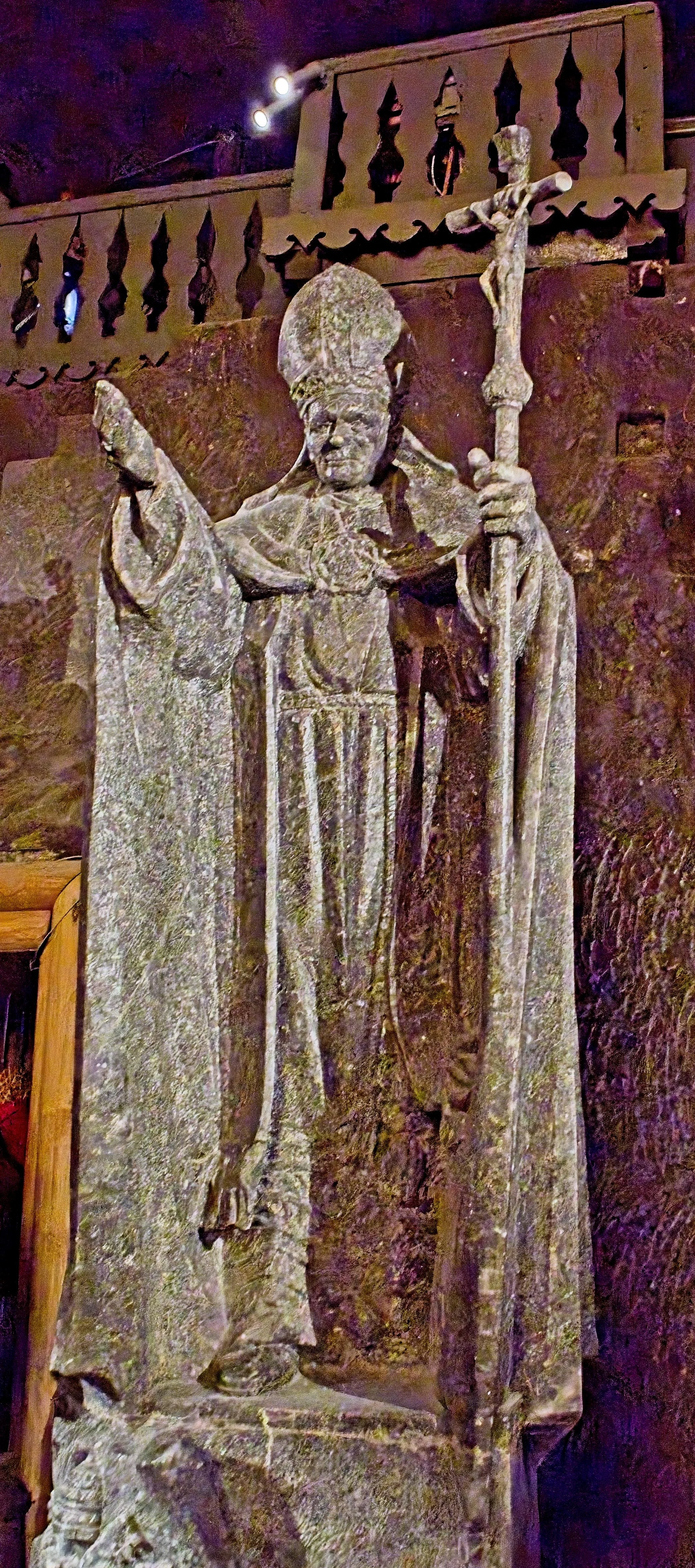
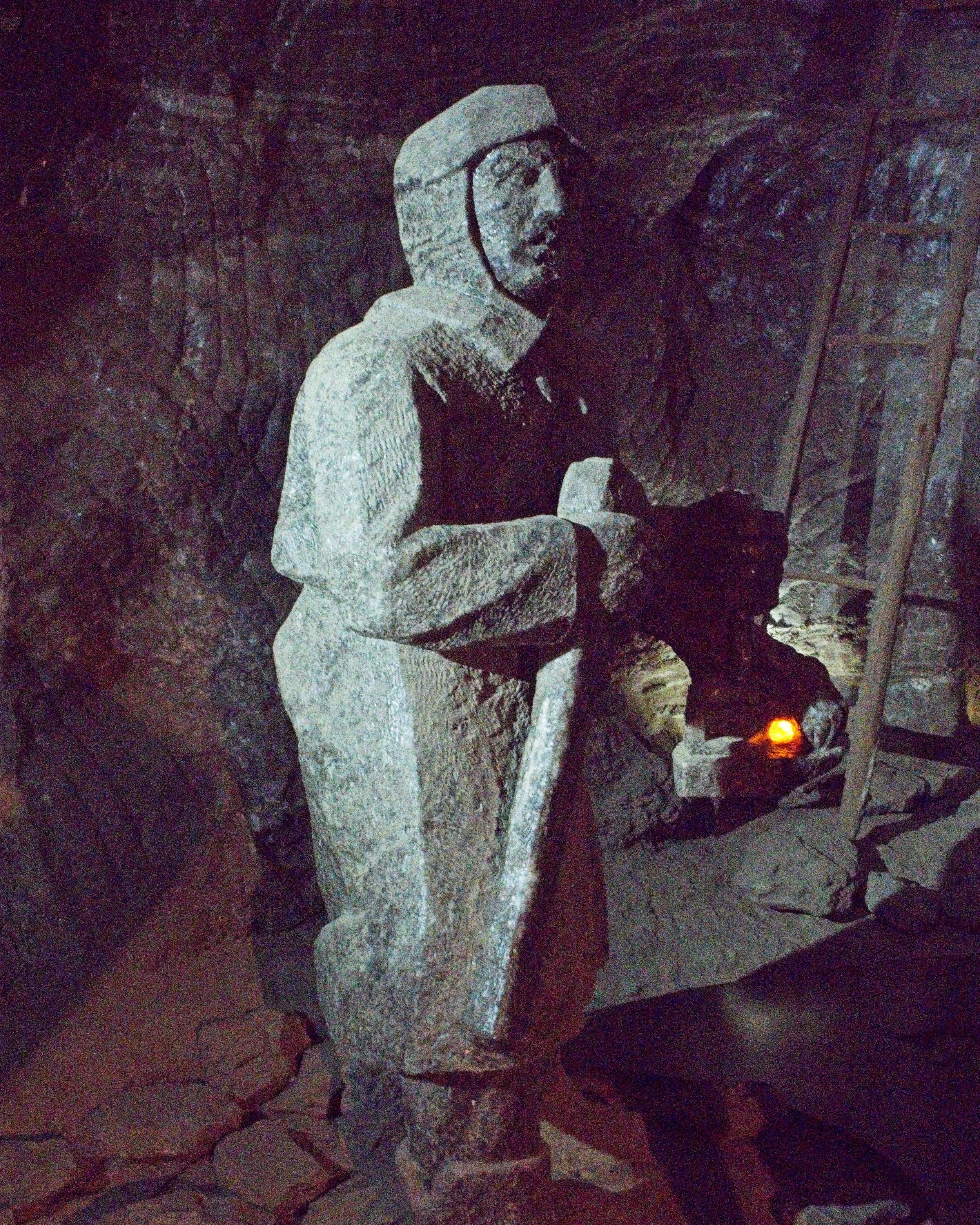
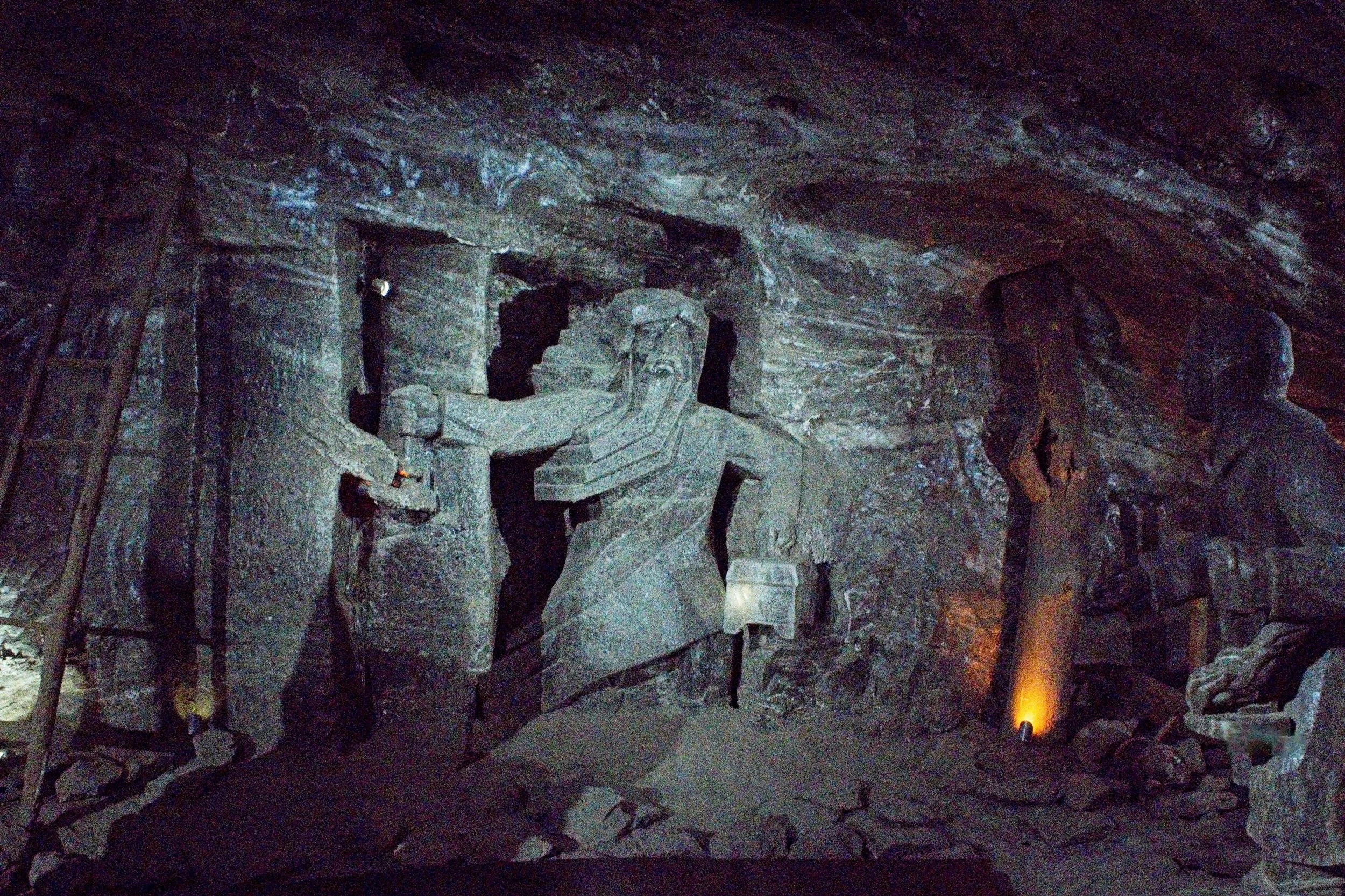
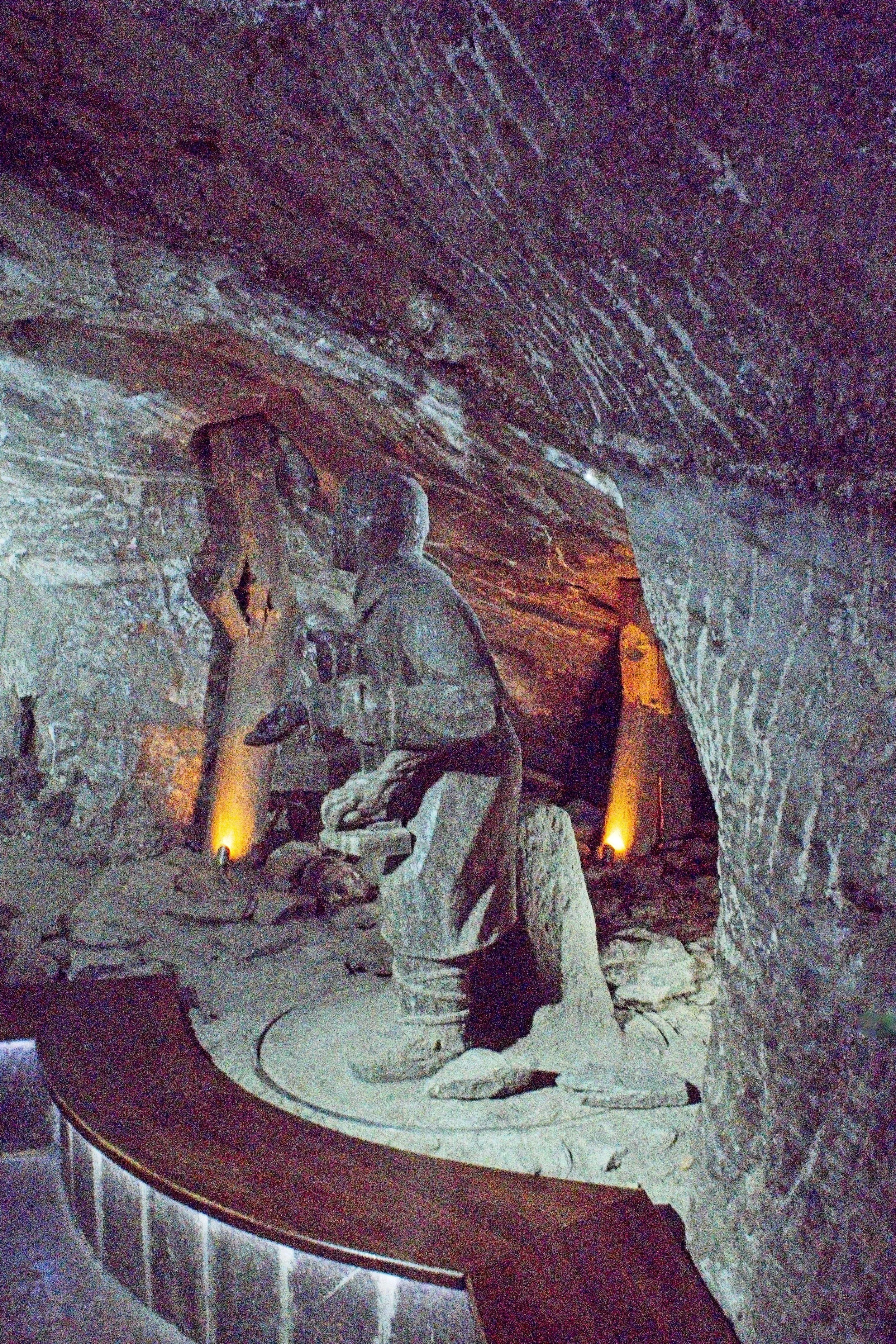
Brine springs at Wieliczka were used since prehistoric times to produce salt. The history of the Wieliczka mine dates back to the Middle Ages, when it was proudly named the Magnum Sal – the Great Salt. In the 13th century it was known as the largest source of salt in Poland, and over the years it became crucial for the country’s economy. At the end of the Middle Ages, 300–350 people worked in Wieliczka, and the annual production of salt reached 7000 –8000 tonnes. The first tourist whom we know by name was Nicolaus Copernicus. He probably visited the mine in 1493, and in remembrance of this event, a monumental salt figure of the brilliant astronomer was set up in a chamber named after him. The oldest preserved statues and sculptures in the Wieliczka Salt Mine were carved by miners beginning in the 17th century (around 1690 to 1710 in the St. Anthony Chapel), with many more created across the 19th and 20th centuries. Major works—such as the breathtaking carvings and reliefs inside the famous Chapel of St. Kinga—were carved starting in 1896 and continued sporadically until 1963 by self-taught miner-artists like Józef Markowski and Antoni Wyrodek. The Mine achieved UNESCO World Heritage status in 1978.